The Jeddah correction and the aero oscillation problem
FIA calibration of overtaking zones at Jeddah ignores how 2026 active aerodynamics cause downforce oscillations. The shift between Z-mode and X-mode creates aerodynamic platform instability that complicates stability during Manual Override boosts.

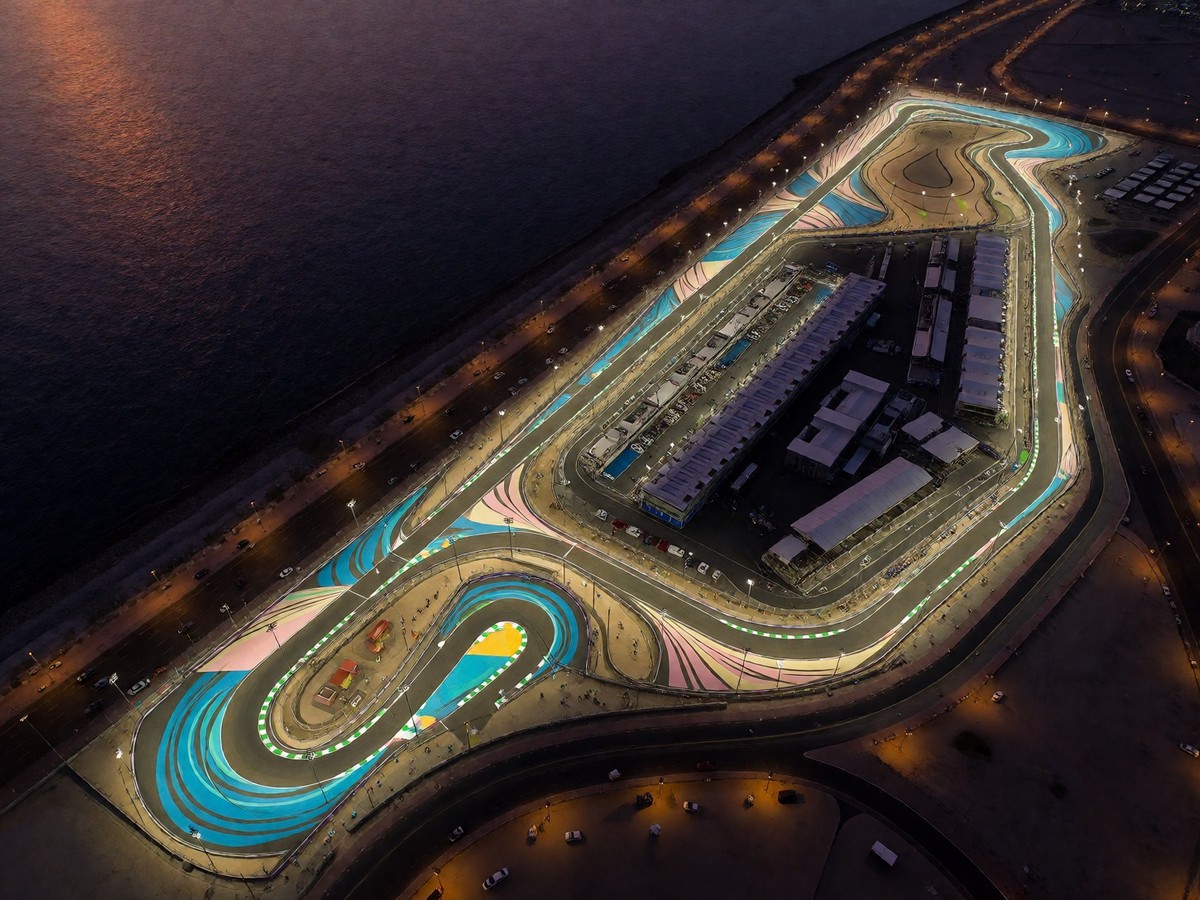
The FIA moved the third DRS activation point at the Jeddah Corniche circuit from the Turn 27 braking zone to the main straight. This new position is 170m past the hairpin. I see this as a direct response to drivers braking erratically in the braking zone to force an overshoot. This tactic allowed Max Verstappen and Lewis Hamilton to play cat-and-mouse games during their title fight. Christian Horner suggested the change to avoid these games. The FIA also modified the Jeddah track to improve visibility and safety. Barriers at Turns 14 and 20 are now further back to create larger runoff areas. A bevelled kerb at Turns 22 and 23 should reduce speeds by 50km/h. Additional bevelled kerbs and rumble strips exist at various other corners. The movement of the activation point does not solve the underlying aerodynamic issues. The FIA has tweaked DRS zones at five circuits to make overtaking easier or more challenging. In Bahrain, the first DRS zone was shortened. Similar changes occurred in Melbourne, Baku, and Miami.
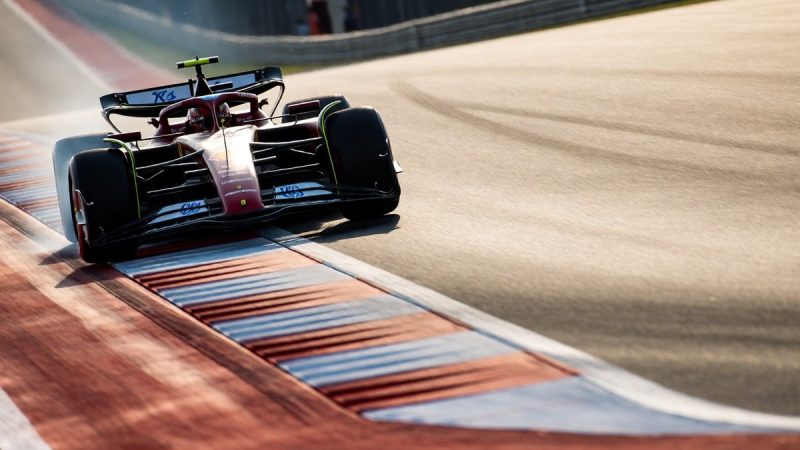
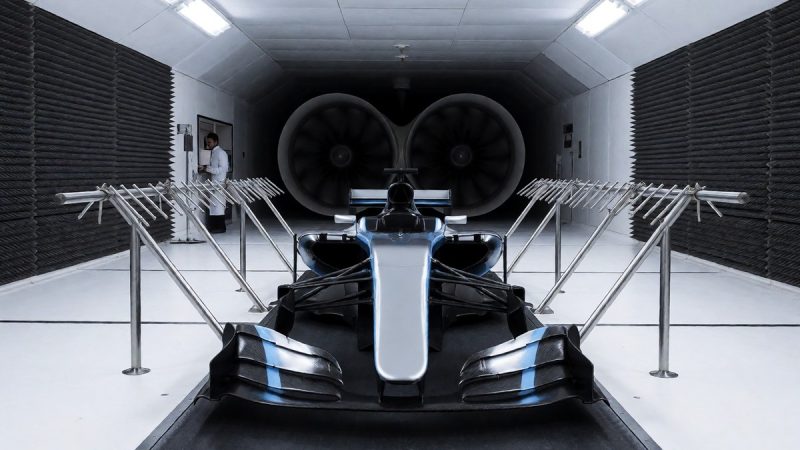
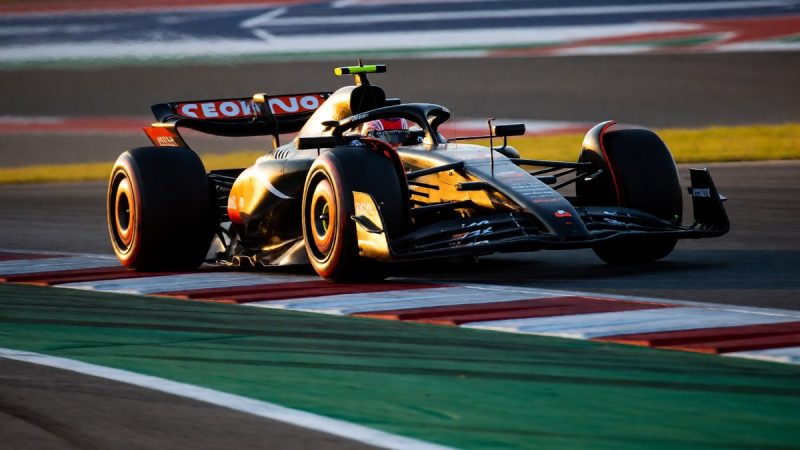
The 2026 single-seaters use active aerodynamics. This system includes a two-element active flap on the front wing and a three-element active rear wing. The front wing is narrower than the current model. Drivers use Z-mode for high downforce in corners. They use X-mode for low drag on straights. This low-drag setup helps with fuel consumption and straight-line speed. The active aero replaces the old DRS. This system does not require the driver to be within one second of the car ahead. Instead, the Manual Override system provides a battery boost when a driver is close. The transition between high downforce Z-mode and low drag X-mode causes the aerodynamic platform to shift, creating a frequency of oscillation that the FIA has not correctly accounted for in its recent Jeddah calibration.
The FIA’s calibration of overtaking zones at Jeddah ignores the relationship between active aero and oscillation frequency. When the active flaps move, the aerodynamic platform shifts. This shift creates a change in downforce. This change can cause the car to oscillate. Engineers struggle to maintain a stable aero platform. The current regulations prevent engineers from managing ride height through the suspension. If downforce increases, the ride height decreases. This causes the car to bottom out at high speeds. A Tuned Mass Damper might quell these oscillations. Engineers have noted that if they cannot fix the aero to prevent losing downforce when bottomed out, the car becomes undriveable. The regulations seem to prevent managing ride height outside of the downforce-ride height relationship.
The 2026 regulations changed the dimensions and weight of the cars.
| Parameter | 2026 Specification |
|---|---|
| Minimum total mass | 722 kg |
| Maximum wheelbase | 3400 mm |
| Maximum width | 1900 mm |
| ICE power | 400 kW |
| Electrical power | 350 kW |
| Recoverable energy | 8.5 MJ per lap |
| Front tire width reduction | 25 mm |
| Rear tire width reduction | 30 mm |
The cars are 30kg lighter than the 2022 models. The wheelbase is 200mm shorter. The width is 100mm narrower. The floor is 150mm narrower. This reduces downforce by 30%. The 18-inch wheels remain, but the front tires are 25mm narrower and the rear tires are 30mm narrower. This reduction in tire width means the cars have less mechanical grip.
The 2026 power unit relies on a massive increase in electrical energy. The battery provides 350kW of power. This is an almost 300% increase from the 120kW used previously. The internal combustion engine provides 400kW of power. The split between electrical and thermal power is 50/50. Drivers recover 8.5 MJ of energy per lap during braking. The removal of the MGU-H might lead to turbo lag on corner exits. The cars use 100% sustainable fuel. The ICE power drops from 550kW to 400kW. This shift ensures the power unit is more suited to the road.
Drivers find the new energy management rules difficult. Fernando Alonso describes some parts of the track as charging zones. Drivers must lift and coast to manage the battery. At Suzuka, the Esses were a zero kilowatt zone. This meant the engines operated at half power. Lando Norris said the car lost 37mph from the 130R kink to the chicane. Charles Leclerc said he loses everything on the straight. Oscar Piastri described driver actions as counter-intuitive. Andrea Stella said Degner One is a corner where drivers used to commit for tenths of a second, but now they must lift and roll through. Avoiding power between Degner One and Two is necessary for efficiency.
The FIA improved safety for the 2026 cars. The front impact structure has two stages. This protects the driver from a second impact. Side protection is stronger. Roll bar loads are 20G. Test loads are 167 kN. A safety cell houses the MGU-K, battery, and electronics. The cars are 30kg lighter. They have a shorter wheelbase of 3400mm. The width is 1900mm. The GPS antenna is repositioned to improve sensitivity for active safety. Rear wing end lights are more visible.
The FIA’s decision to shift the Jeddah activation point is a distraction from the true aerodynamic problem. The active flaps cause frequency shifts in the downforce. I believe the FIA is ignoring how these oscillations affect the car’s stability during the Manual Override boost. Moving the detection point 170m past a hairpin is a tactical fix for gamesmanship. It does not address the aero-platform instability. Will the FIA eventually mandate a minimum ride height to stop these oscillations?