How Red Bull’s 2026 Ford power unit MGU-K harvesting works
The 2026 Formula 1 power unit shifts to a 50/50 power split between the internal combustion engine and the MGU-K. This new electrical component delivers 350kW of power, nearly tripling the output of previous hybrid generations to manage energy recovery and deployment.

The power balance shift
The 2026 power unit changes the balance between the internal combustion engine and the electrical components. The internal combustion engine produces approximately 400kW of power, while the MGU-K delivers 350kW. This creates a 50/50 power split between petrol and electricity. The previous configuration relied on the internal combustion engine for 80% of the total power. The removal of the MGU-H changes the entire architecture of the power unit. The MGU-K is now the primary way to recover and deploy energy. This shift makes the hybrid system much more significant for total performance. The 1.6-litre V6 turbo engine remains the core, but it is no longer the sole driver of speed.
The removal of the MGU-H is a necessary move to allow new manufacturers like Audi and Ford to join the sport. The MGU-H was a complex unit that sat on the turbocharger shaft and harvested energy from exhaust gases. It also worked in reverse to spin the turbo and reduce turbo lag. Because the MGU-H is gone, some turbo lag returns to the 2026 car. The MGU-K now handles all energy recovery duties. This makes the power unit simpler and easier to fit into the compact chassis. The total power output of the unit exceeds 1,000 horsepower.
The MGU-K and electrical output
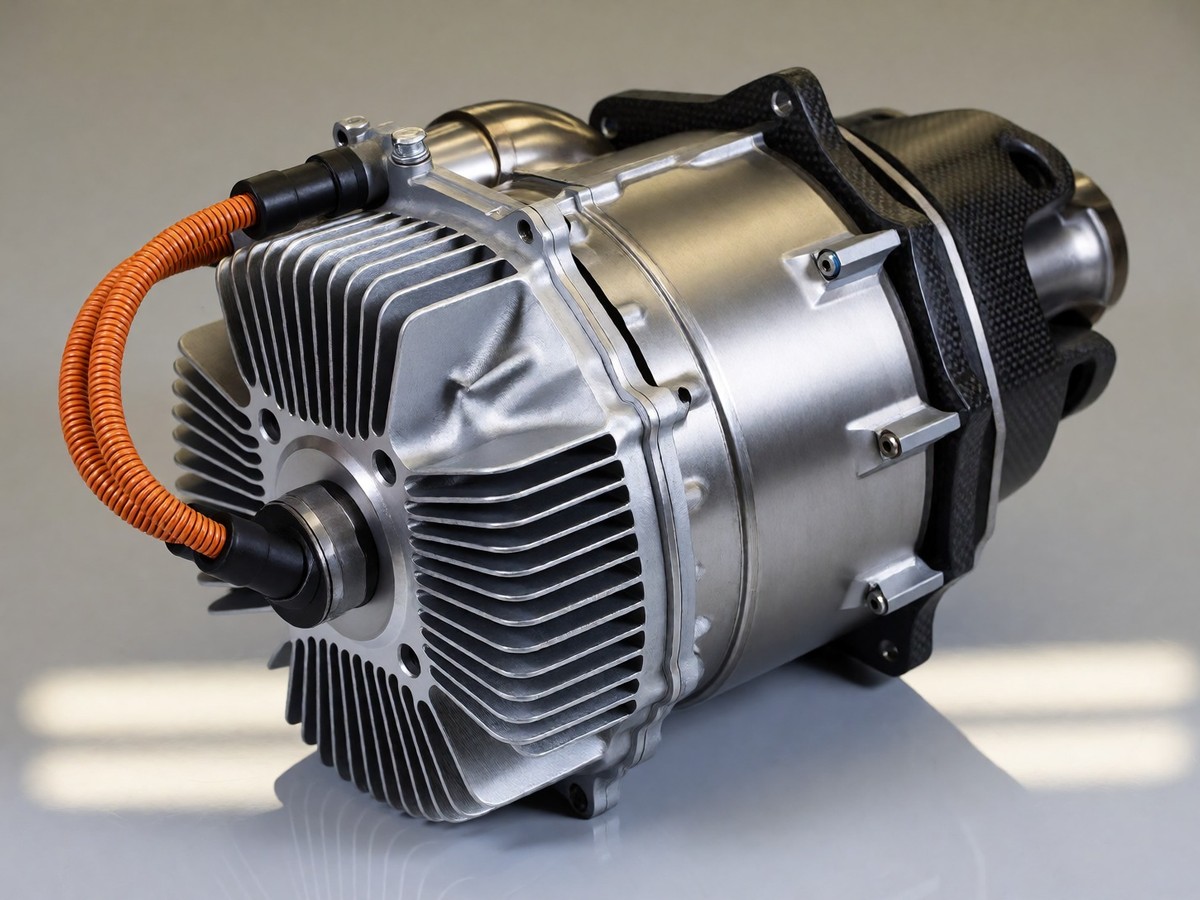
The MGU-K (Motor Generator Unit – Kinetic) provides 350kW of power, which is a massive increase from the 120kW that the previous generation of Formula 1 cars produced during the years between 2014 and 2025. This output is nearly triple the previous figure. The MGU-K provides 469 to 475 horsepower to the rear wheels. This component is enclosed within the chassis next to the battery and control electronics. It acts as a motor during acceleration and as a generator during braking. The motor’s torque is capped at 500 Nm. The MGU-K works to balance the power from the 1.6-litre V6 engine.
The increase in electrical power forces a change in how teams manage energy. The electrical contribution is no longer a small boost. It is now a major part of the car’s total performance. Drivers must manage the deployment of this 350kW carefully. If they use it all too early, they will run out of charge on the straights. This leads to a condition known as de-rating. The MGU-K is the star of the 2026 hybrid package.
Harvesting and energy recovery methods
Harvesting happens in multiple ways. Braking converts kinetic energy into electricity. Drivers also harvest energy during coasting and when they lift off the throttle. A process called "super clipping" allows for energy harvesting at the end of a straight while the car is at full throttle. These methods ensure the battery stays charged for the next deployment. Drivers can also use lift-off regen, where they harvest energy when they lift off the throttle.
You already know the basics of F1 hybrid systems, but the 2026 rules add complexity. When a driver uses lift-off regen, they disable the Active Aero devices on the car. In contrast, super clipping happens at full throttle, so the Active Aero remains open. This means drivers must choose between maximizing energy or maintaining aerodynamic efficiency. The energy recovery is more intense than in previous years. The limit for energy harvested in a lap is 8.5 MJ.
The FIA can adjust these recovery limits based on the circuit. At tracks where there is not enough braking to harvest energy, the limit can drop to 7 MJ. In qualifying, the limit can drop as low as 5 MJ. This ensures that cars do not run out of energy if the track layout does not allow for much regeneration.
The battery and energy management constraints
The battery has a specific capacity limit. The gap between the fullest and emptiest state of the energy store cannot exceed 4 MJ while the car is on track. The battery is not a tank that a driver fills at the start of a race. It is a system that requires constant replenishment. Energy has to be harvested and spent again, lap after lap.
The management of this 4 MJ window is a major part of race strategy. If a driver spends too much energy in one section, they will have nothing left for the next. Engineers and drivers work together to manage the state of charge. This requires precise planning for every corner and straight.
The MGU-K is located close to the battery and control electronics for efficiency. This placement is part of the effort to package the power unit in a tighter, more compact chassis. The new rules also require that all high-voltage equipment stays within the safety cell. This provides enhanced safety for the drivers. Will the current software strategies hold when drivers face the extreme heat of mid-season races?
Speed taper and the Overtake Mode
Electrical power output decreases as the car speed increases. The full 350kW is available only up to 290 km/h. Beyond 290 km/h, the power output drops by 5kW for every additional km/h. The reduction becomes four times as steep from 340 km/h. At 345 km/h, the MGU-K provides no additional electrical assistance. This tapering effect is a fundamental rule of the 2026 regulations.
Overtake mode allows a driver to maintain 350kW up to 337 km/h and provides power up to 355 km/h. This mode is the main passing aid because the role of DRS has been removed. A driver can use this mode if they are within one second of the car in front at the detection point. This provides a "slingshot" effect on the straights. The extra energy is 0.5 MJ.
The leading car’s electrical deployment tapers off below 340 km/h. The chasing car can use full electrical power up to 355 km/h via the manual override mode. This creates a clear speed difference. The ability to use this extra power is a strategic choice.
Software and simulation development
Red Bull and Ford engineers use advanced simulation to build the power unit. Kevin Ruybal developed a control model that runs 1,000 times faster than real time. Sam Angeli and Mike Huang developed a tool using dynamic programming to advise when the system should consume or save energy. This tool helps with energy calibration and driveability. The teams also use 3D printing to produce parts in five days instead of 16. This speed allows the team to refine designs three times faster.
The software manages how the electric power works with the combustion engine. The tools help engineers decide when to dump or save energy to find the fastest way around the track. This includes managing energy calibration and driveability. The simulation allows the team to test the components virtually. They can see how parts interact without building physical components.
The collaboration between Milton Keynes and Michigan is a major part of the project. Engineers work on components for the combustion engine and the supercharging system. They use Oracle Cloud Infrastructure to run these complex simulations. The partnership allows Red Bull to leverage the experience of an OEM.
Fuel and thermal efficiency
Fuel flow is limited by a maximum energy flow rate of 3,000 megajoules per hour. This is an energy-based limit instead of measuring mass or volume. The engine uses 100% advanced sustainable fuel made from carbon capture, municipal waste, or non-food biomass. This fuel must match the performance of fossil fuels. The change in fuel flow is a significant regulation change.
The 1.6-litre V6 engine focuses on thermal efficiency. Thermal efficiency is the percentage of energy in the fuel that turns into useful work. A good road-car engine manages around 30 percent efficiency. F1 power units are the most efficient engines ever built.
The fuel is a performance differentiator. Fuel suppliers like ExxonMobil work with the teams to formulate these blends. The goal is to ensure the fuel does not add any new fossil carbon to the atmosphere. The move to sustainable fuel is a major part of the Net Zero by 2030 plan.
Technical specification and power unit data
The following table contains the technical specifications for the 2026 power unit.
| Component | Specification |
|---|---|
| Internal Combustion Engine | 1.6-litre V6 turbo |
| MGU-K Output | 350kW |
| MGU-K Torque Cap | 500 Nm |
| Total Power Output | Over 1,000 hp |
| Energy Recovery Limit | 8.5 MJ per lap |
| Battery Window | 4 MJ |
| Fuel Flow Limit | 3,000 MJ/h |
| Sustainable Fuel | 100% advanced sustainable |
The 2026 power unit is a 1.6-litre turbocharged V6. The MGU-K output is 350kW, which is a massive increase from the 120kW that the previous generation of Formula 1 cars produced during the years between 2014 and 2025. The total power output is approximately 750kW. The engine operates with a single turbocharger. Fuel flow is governed by a 3,000 megajoule per hour cap.