FIA partners with AWS to use AI for future Formula 1 regulations
The FIA is collaborating with Amazon Web Services to implement artificial intelligence and cloud computing for 2030 car and engine regulations. This partnership utilizes high performance computing and neural networks to optimize aerodynamic simulations and monitor power unit performance.

Technical rules and aero simulations
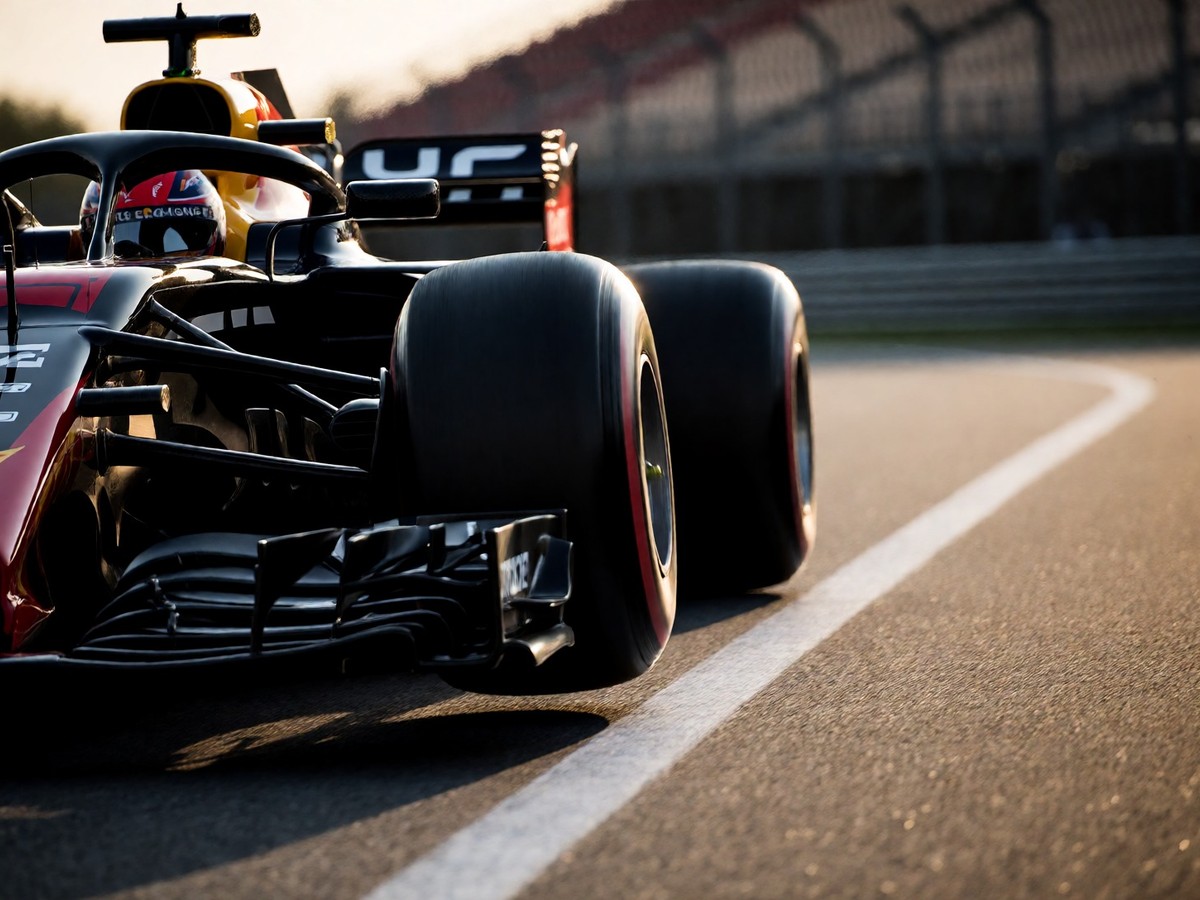
The FIA and Amazon Web Services (AWS) established a partnership to use artificial intelligence and cloud computing for future Formula 1 technical regulations. AWS acts as the official artificial intelligence, cloud computing, machine learning, and cloud infrastructure partner. The FIA intends to use these tools to develop regulations for new cars and engines arriving in 2030. Dominic Harlow, the FIA deputy technical director for F1, said the FIA uses AWS hardware for traditional Computational Fluid Dynamics (CFD) processes running OpenFOAM. The FIA plans to layer AI shortcuts on top of these simulations to reduce compute time, engineering time, energy consumption, and money. A surrogate model trained on hundreds of past CFD results predicts results for a new shape in seconds or minutes without solving the physics. This process helps the FIA test many variations of wing shapes and floor geometries. The FIA uses AWS High Performance Computing to conduct virtual air flow tests, which reduces the need for physical parts. The FIA uses these tools to create concept cars that check how much downforce a car loses when following another vehicle and whether the rules produce the desired racing. The virtual process involves 3D digital drawings of car parts that engineers assemble into models; the simulation then divides the air around the car into millions of tiny cells so equations can be solved cell by cell. Post-processing turns raw numbers into pressure maps, flow visualisations, and forces for FIA analysis. Using GPU hardware instead of traditional CPUs allows the FIA to run time-sensitive simulations in unsteady conditions. Dominic Harlow noted that this capability could have provided a better understanding of the porpoising effect seen at the start of the 2022 ground-effect era before it became a widespread problem.
Performance monitoring and neural networks
The FIA performance department uses computer vision and dashboarding tools for safety, energy management, and legality checks. The power unit group uses neural nets for anomaly detection to flag deviations from normal traces, such as a drop in oil pressure. A neural net can model any continuous function, and if it has enough neurons, it can plot complex lines and compare them with data from the track. Dominic Harlow said the current work on new aerodynamic concepts for future cars relies on learnings from the 2026 models. While the FIA could imagine "prompt engineering" a car in the future, the process remains human-driven and engineer-driven for now. Because AI tools struggle to create entirely new designs, the FIA relies on engineers to lead the process. Dominic Harlow said that training and evolving models for generative AI requires significant computing power and money. A major drawback remains that neural nets can function as "black boxes" where humans find it difficult or impossible to trace the internal decision-making process. This lack of transparency means the FIA must still understand why its tools flag specific data.
Digital licensing and rule stress-testing
The FIA will expand its digital licensing platform, which officials previously trialled in Canada and Sri Lanka, to more countries. This platform simplifies license administration for national sporting authorities and officials. The FIA plans to use large language models to help teams with legal enquiries and rule stress-testing. These models will run in a private, secure environment to protect intellectual property. At the track, AI tools may assist with track limits by providing a prioritized list of incidents for human judges to check. This would allow humans to make decisions more quickly and consistently. The technology supports the remote operations centre in Geneva that assists race control during events. Mohammed Ben Sulayem, the FIA president, said the partnership will support everything from the cars of the future to the grassroots clubs where many careers begin. This technology supports the ambition of doubling global motor sport participation. AWS also joined F1 management in 2018 as an innovation technology partner to process telemetry data for broadcast use and live strategy predictions.
| Feature | Application |
|---|---|
| AWS High Performance Computing | Aerodynamic simulations |
| Neural Networks | Power unit anomaly detection |
| Computer Vision | Performance and safety metrics |
| Large Language Models | Legal enquiries and rule stress-testing |