FIA aims to reduce Formula 1 car weights to below 700kg
FIA single-seater director Nikolas Tombazis plans to cut Formula 1 car weights by 80kg through power unit simplifications and smaller dimensions. This reduction aims to make cars two to three seconds faster while offsetting a projected 20kg to 25kg increase in fuel consumption.

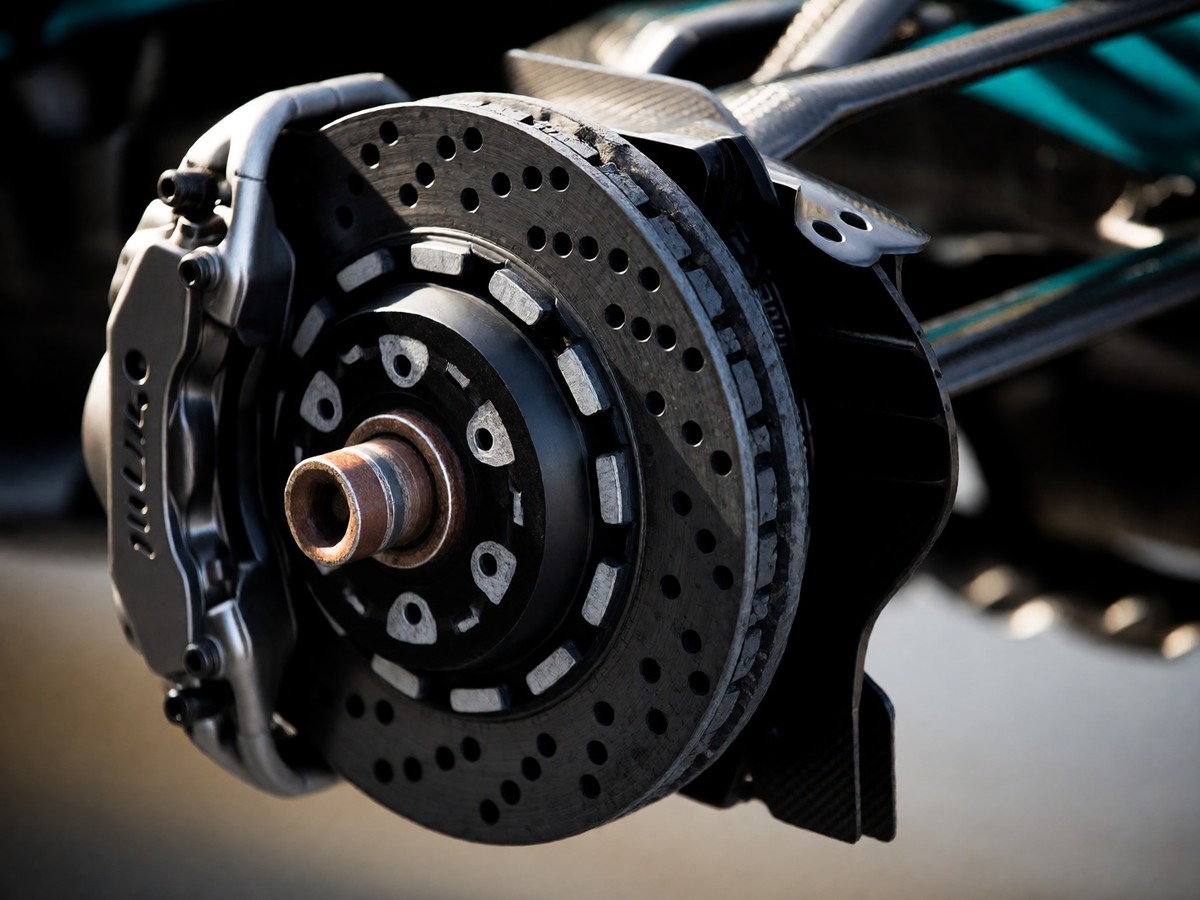
Targeting sub-700kg machines
FIA single-seater director Nikolas Tombazis aims to bring Formula 1 car weights below 700kg for the first time since 2016. This target requires an 80kg reduction from the current 768kg minimum weight. The FIA analysis shows that of the 200kg increase in car weight over the past two decades, only 40kg of that growth resulted from improved safety elements like the halo or stronger chassis sides. Tombazis plans to achieve this through three distinct methods. The first method involves the power unit. While the V8 block will be slightly larger than the V6, the FIA plans to reduce turbo pressures significantly to decrease turbocharger dimensions. Engineers plan to simplify engine inlet and outlet complexity by removing the current "spaghetti" of ducts. They also intend to shorten and simplify exhaust areas. This smaller battery will allow for a smaller MGU-K that could fit on the side of the engine to reduce installation weight.
The second method targets car dimensions and wheels. The FIA plans to reduce car dimensions and potentially reduce wheel rim sizes. The jump to 18-inch wheels in 2022 added about 25kg to the weight of the cars. The 2026 "nimble concept" already reduced the weight by 30kg from the 2022-2025 cycle.
| Component | Weight/Value |
|---|---|
| Current minimum weight | 768kg |
| 2025 dry weight | 798kg |
| Target minimum weight | <700kg |
| 18-inch wheel weight increase | ~25kg |
Managing fuel and refuelling
The third method creates a virtuous circle where lighter, smaller cars require less robust components and heavy aerodynamic parts. Tombazis expects the cars to be two and a half to three seconds faster just from the weight reduction. This reduction in weight helps tyres behave in a nicer way for the same laptime. The move to V8 engines will increase fuel consumption by about 20kg to 25kg per race. Tombazis expects the 80kg weight reduction to outweigh this fuel increase. He says the increase is not gigantic because the FIA wants to retain efficient engines.
The FIA will not reintroduce refuelling to manage this fuel load. The FIA study into refuelling concluded that the practice adds complexity and risk. It also makes pitstop windows far more defined before the race, which limits strategy flexibility. Tombazis says the FIA is not keen to go to refuelling and knows the teams are not keen either. Refuelling remains a dead concept because it limits the ability to adapt strategy if a driver loses positions.
| Detail | Value/Status |
|---|---|
| Expected fuel increase | 20kg to 25kg |
| Expected weight reduction | 80kg |
| Weight-driven laptime gain | 2.5 to 3 seconds |
Rules framework and implementation
FIA president Mohammed Ben Sulayem wants an agreement on the new rules framework before the end of 2026. If he reaches an agreement, the regulation switch could happen in 2030 instead of 2031. The FIA is currently consulting with teams, car manufacturers, and drivers regarding the 2031 ruleset. Ben Sulayem says that although teams will complain, listening to drivers is important because they are the ones who are driving. The FIA waits for feedback from power unit manufacturers as the consultation process continues. Tombazis admits the FIA will have to compromise on some areas because discussions will cause kickback. He says that while there will be concerns about certain costs, hitting the sub-700kg target will make cars more exciting.