FIA 2026 porpoising detection sensor calibration thresholds
The Aerodynamic Oscillation Metric monitors vertical G-forces to ensure driver safety from violent bouncing. FIA regulations mandate that car floors must not flex more than two millimetres to prevent teams from bypassing oscillation limits.

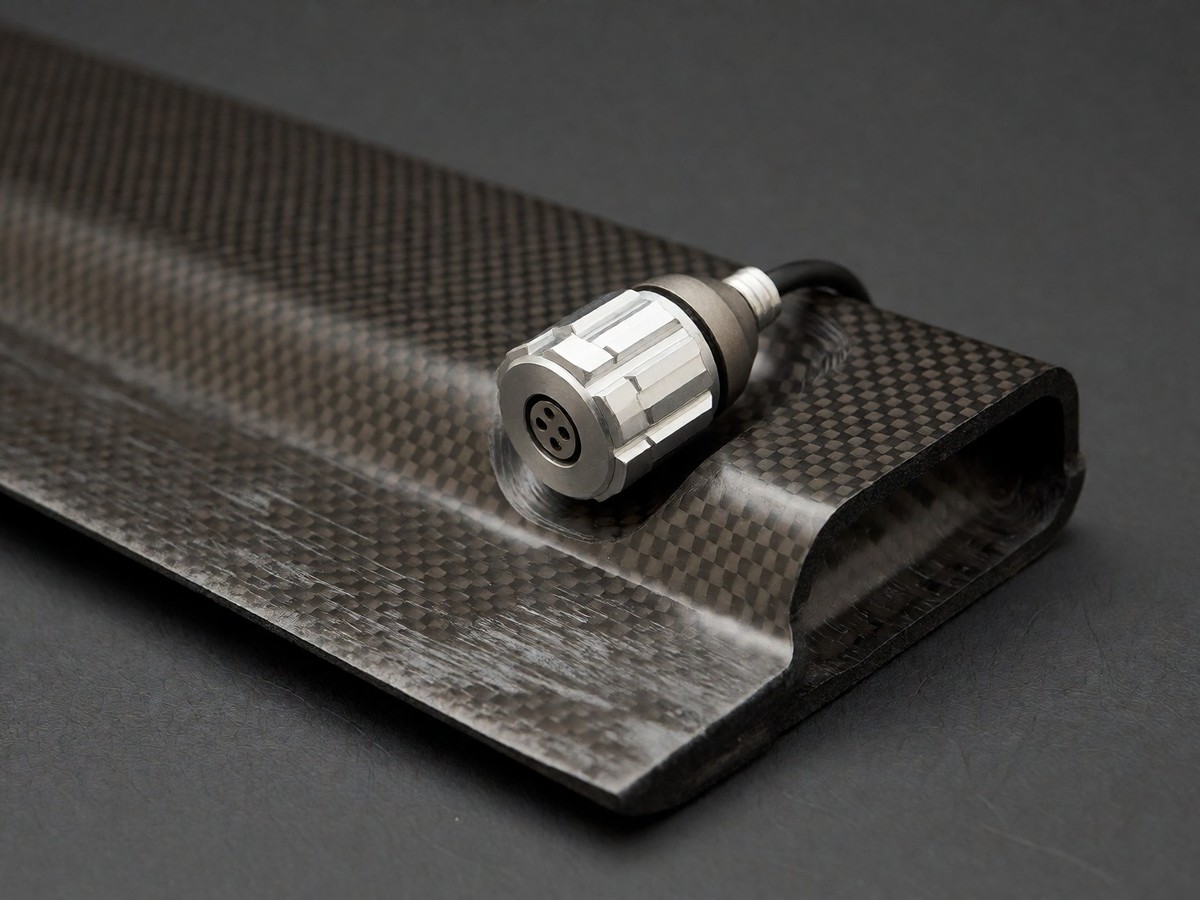
The Aerodynamic Oscillation Metric, or AOM, measures the frequency of vertical G-forces applied to drivers during a race. This metric uses in-car sensors to track how much a car bounces or bottoms out on the track. The FIA uses this mathematical formula to determine if a car stays within safe limits of vertical oscillations. The AOM monitors the car during every lap, though the FIA excludes certain periods from the data collection. The system does not count the first two laps of a race, laps driven behind a Safety Car, in-laps, out-laps, or laps where drivers use wet or intermediate tyres.
The AOM measures the frequency of vertical oscillations through in-car sensors. These sensors track the movement of the car during every lap of a Grand Prix. The FIA excludes the first two laps of a race from this data collection. They also ignore laps conducted under a Safety Car or during in-laps and out-laps. Finally, the system does not count laps where drivers use wet or intermediate tyres. If a car exceeds the permitted limit of vertical oscillations, the FIA race director sends the data to the stewards. This process leads to a potential disqualification if the team cannot reduce the bouncing by raising the ride height or using other adjustments.
Enforcement and the sensor data
The FIA race director sends the sensor data to the stewards when a car exceeds the permitted frequency of vertical oscillations, which results in the driver facing potential disqualification from the Grand Prix weekend. Teams must find ways to limit the bouncing to avoid this penalty. Many teams attempt to manage this by increasing the ride height, although this change usually reduces aerodynamic performance.
The FIA aims to protect drivers because they drive at speeds in excess of 300km/h. Excessive fatigue or physical pain can cause a driver to lose concentration, which leads to safety risks. The governing body monitors the cars to ensure that the vertical oscillations remain within a specific threshold. This threshold is not a static number and the FIA can increase or decrease it at a later date. The FIA also monitors the wear on the underfloor planks to ensure that porpoising does not cause the components to become too thin.
Floor stiffness and the two millimetre limit
The FIA regulates the flexibility of the floor to ensure the bouncing formula remains fair for all teams. The current regulations state that the floor must not flex more than two millimetres. While previous rules allowed flexibility in only three specific places on the plank, the FIA now applies this limit to the entire length of the floor. There is a rumoured 10% wiggle room for this two-millimetre threshold.
Teams that run a car with a plank that is too flexible risk being identified as being in deliberate breach of the rules. The FIA can tighten the rules regarding flexibility testing without consulting the teams because the rule book allows this authority. This regulation is meant to prevent teams from using floor flexibility to gain downforce while trying to avoid the AOM limits.
Technical chassis specifications
The 2026 technical regulations include several changes to the car dimensions and weight to balance performance and safety. These changes affect how the cars interact with the ground and how the sensors record oscillation data.
| Component | Specification / Limit |
|---|---|
| Minimum Weight | 768 kg |
| Maximum Wheelbase | 3.4 m |
| Floor Width | 1.9 m |
| Floor Edge Height Increase | 15 mm |
| Front Tyre Width Reduction | 25 mm |
| Rear Tyre Width Reduction | 30 mm |
The maximum wheelbase for the 2026 cars is 3.4 metres, and the width of the floor is 1.9 metres. The minimum weight for the cars is 768kg. The Pirelli tyres are also narrower than in previous years, with a 25mm reduction at the front and a 30mm reduction at the rear. The FIA also increased the floor edge height by 15mm to help manage the ground effect.
Physical impact on the drivers
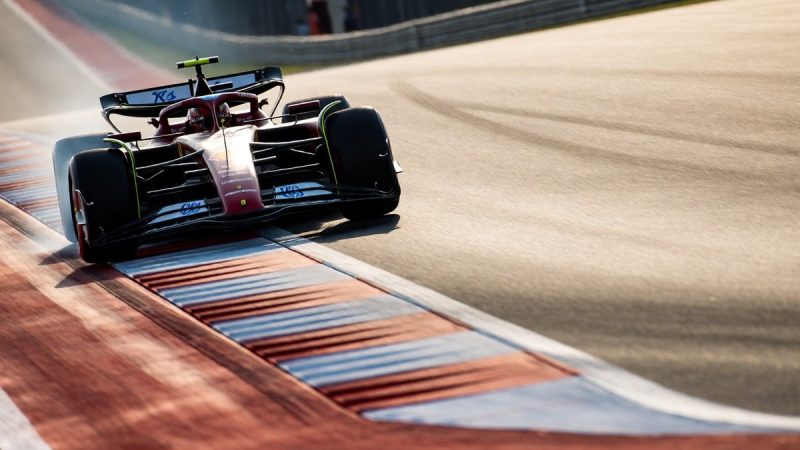
Porpoising creates violent bouncing that causes physical discomfort for the drivers. The phenomenon occurs when a car loses and regains downforce in quick succession. This cycle of losing and regaining downforce causes the car to move up and down rapidly. Lewis Hamilton reported experiencing headaches due to these oscillations. Pierre Gasly stated that the bouncing could lead to drivers needing a walking stick by the time they are 30.
George Russell reported experiencing back pain and chest pains from the severity of the bouncing. This physical toll is a primary reason why the FIA treats porpoising as a safety issue. You already know the 2026 power unit basics, so focus on how the oscillation limits affect the car’s floor. The FIA maintains that driver concentration must remain on the task of racing, and excessive pain could lead to a loss of concentration.
On-track tactical adjustments
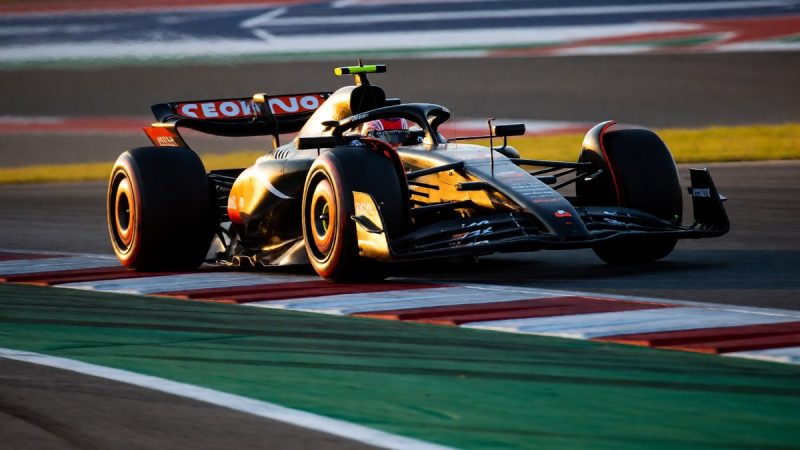
Drivers and engineers must change how they drive to stay below the AOM limits. Lando Norris received instructions from his race engineer during the Singapore Grand Prix to avoid the apex of turn six. Will Joseph told Norris to take a wider line through the right-hand kink in the DRS zone to reduce the severity of the bouncing. This instruction aimed to prevent the car from hitting the ground too hard and exceeding the AOM threshold.
Norris noted that hitting bigger bumps can cause the car to exceed the permitted amount of bouncing. Teams often have to choose between maximum performance and staying within the FIA’s limits. Some teams, like Mercedes, have struggled to find a setup that provides enough downforce without causing excessive bouncing. Other teams, like Red Bull, have managed to handle the phenomenon more effectively.
The 2026 power and aero system
The 2026 power units use a 50-50 power split between the internal combustion engine and electrical energy. This system uses advanced sustainable fuels. The electrical side of the system involves several modes of energy management. Recharge mode allows a driver to harvest energy when they are braking, on part throttle, or when they lift off the throttle. Super clipping allows the car to harvest energy at the end of a straight while the driver remains at full throttle.
Drivers also use a Boost mode to take manual control of energy deployment for attacking or defending. Overtake Mode provides an extra 0.5MJ of electrical energy if a car gets within one second of the car it is chasing at a designated point. The 2026 cars also use active aerodynamics, which include Straight Mode and Corner Mode. In Straight Mode, the flaps move to an open position to reduce drag. In Corner Mode, the flaps stay in a closed position to maintain downforce.
The regulatory trade-off
The FIA prioritizes driver safety over outright lap times. The current regulations force a compromise that reduces aerodynamic efficiency to prevent excessive bouncing. Christian Horner argued that the rules should be binary and not rely on the intent of the teams. Max Verstappen also expressed discomfort with the FIA changing rules in the middle of the season to address safety.
The FIA continues to implement changes to the floor edges and diffuser height to manage the ground effect. These changes aim to make the cars less susceptible to the phenomenon without requiring massive chassis overhauls. Will the FIA increase the sensor frequency to monitor even smaller oscillations in the future? The governing body continues to monitor the data to ensure that the drivers remain safe from the physical effects of porpoising.