FIA 2026 active aero mode switch latency and technical myths
The 2026 Formula 1 regulations introduce active aerodynamics that force cars to manage rapid shifts in pressure between low-drag and high-downforce modes. These changes impact suspension requirements, minimum weight of 768kg, and driver energy management strategies.

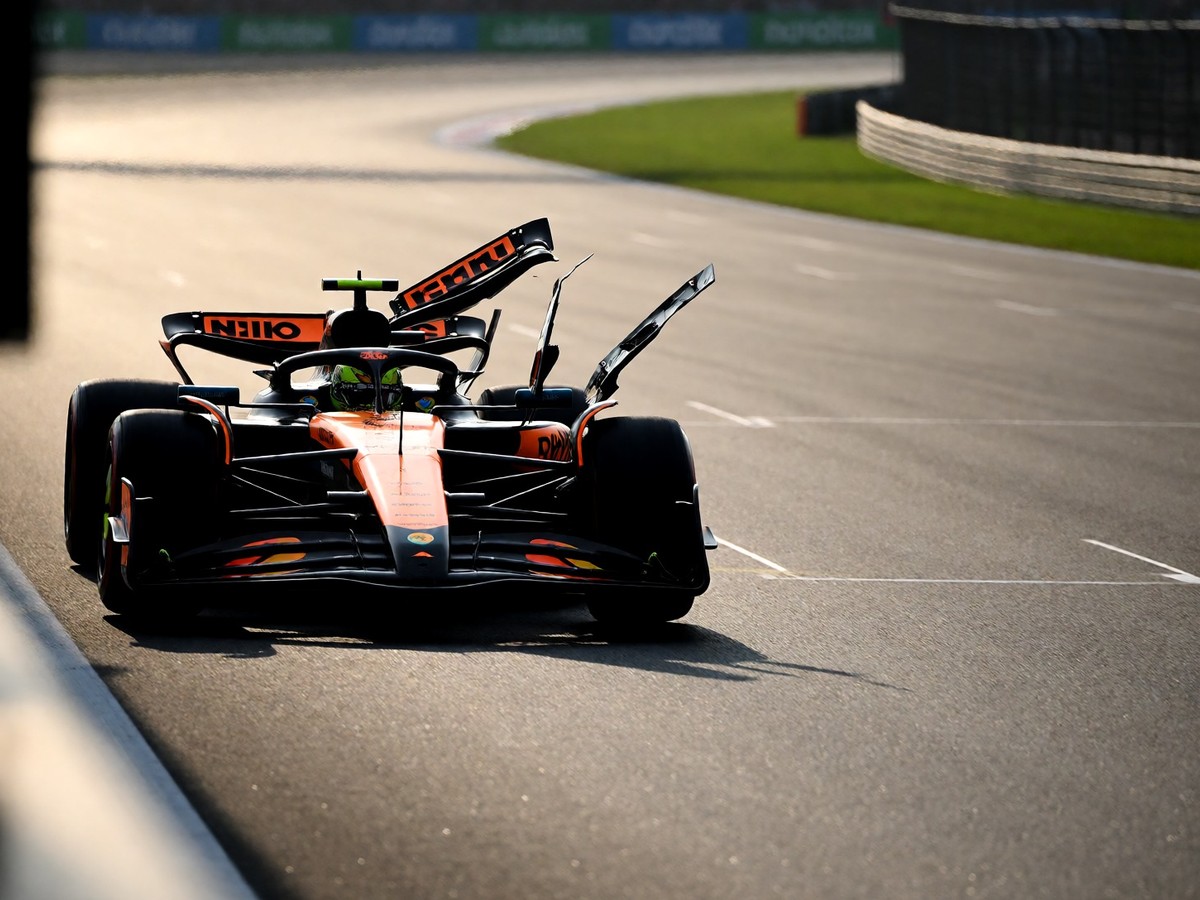
The latency of active aero mode switching defines the technical boundaries for 2026. The regulations allow front and rear wings to adjust angles to switch between low-drag straight modes and high-downforce corner modes. This transition forces the car to handle rapid changes in aerodynamic load. Teams design the surfaces and supports to work within these constraints. Moving between operating states requires precise synchronization to prevent instability. A change in aero pressure affects the entire chassis. The focus shifts from static wing shapes to managing how the car behaves during the transition between these two states.
Active aerodynamics change the suspension requirements significantly. On a straight, the car sits higher with less downforce to reduce suspension load. In corners, wings flip into high downforce mode and push the car harder into the track. This means the suspension must adapt to rapid shifts in pressure. If the suspension cannot cope with these sudden aero shifts, drivers lose trust in the car at the limit. Uneven loads lead to faster tire wear. Smart suspension helps teams manage these shifting pressures. High-speed cornering forces can reach 5G, making the interaction between aero and mechanical components vital. Historically, F1 saw innovations like the Lotus 25 monocoque, Williams active suspension, and the FRIC hydraulic system to manage such forces.
The 2026 cars follow a strict set of physical dimensions and power requirements. The minimum weight dropped from 800kg to 768kg, while the wheelbase decreased from 3600mm to 3400mm. The width also changed from 1822mm to 1900mm. The power unit now uses a 50/50 split between the internal combustion engine and electric components.
| Feature | 2025 Specification | 2026 Specification |
|---|---|---|
| Minimum Weight | 800 kg | 768 kg |
| Wheelbase | 3600 mm | 3400 mm |
| Width | 1822 mm | 1900 mm |
| Power Split | ~80% ICE / 20% Electric | ~50% ICE / 50% Electric |
| MGU-K Output | 120 kW | 350 kW |
The low-drag straight mode creates a mechanical vulnerability in wet weather. When the track becomes wet or race control calls for safety, the low-drag mode deactivates. The cars lock into corner mode, which generates maximum downforce at all times. The immense aerodynamic load compresses the suspension far beyond what teams calculate for dry conditions, forcing the car violently toward the ground. This compression forces the car toward the ground. The wooden plank on the floor scrapes the track surface. If the plank wears beyond a specific millimeter tolerance, the FIA disqualifies the car. McLaren faced this in Las Vegas when excessive plank wear led to the disqualification of Lando Norris and Oscar Piastri. The FIA introduced the "Rain Hazard" rule to help. A Rain Hazard occurs if the weather service predicts a 40 percent probability of precipitation. This declaration must happen no later than two hours before qualifying or the race. During a Rain Hazard, teams receive permission to modify their active front aerodynamic settings and raise the mechanical ride height. This modification follows document FIA-F1-DOC080.
The 2026 power unit relies on a 50/50 split between the internal combustion engine and electric components. The MGU-K delivers 350kW in acceleration zones, such as corner exits. In other parts of the lap, deployment restricts to 250kW. This dual-level deployment model aims to reduce excessive closing speeds. The MGU-K also offsets turbo lag from slow corners. Drivers must manage battery energy carefully to avoid running out of power. In Melbourne, drivers lifted off the throttle in the fast Turn 9 and 10 section to save battery. This reduced lap times from 1:15s in 2025 to 1:18s in 2026. The heavy reliance on electrical deployment and the need to manage battery levels across the lap means that drivers often face a difficult choice between maximizing corner exit speed and preserving energy for the next straight. The MGU-K power is also limited by speed. The maximum MGU-K power is 290km/h, down from 300km/h, and drops to 0kW above 345km/h. The FIA also introduced a "low power start detection" system to identify cars that fail to accelerate normally immediately after clutch release.
Max Verstappen calls the 2026 regulations "anti-racing". He compares the cars to "Formula E on steroids". Drivers find the management of energy instead of attacking frustrating. The new rules make drivers feel like energy accountants. In Melbourne, drivers lifted off the throttle in the fast Turn 9 and 10 section to save battery. This reduced lap times from 1:15s in 2025 to 1:18s in 2026. Verstappen argues that the cars are harder to drive because of active aerodynamics. He worries that the cars could malfunction at any time. He also notes that the cars are more difficult to drive because the active aerodynamics are automated. The racing can feel like a "peloton" style if drivers focus too much on saving battery. Stefano Domenicali disagrees with the idea that the rules ruin racing. He says the FIA can find solutions with technical experts if problems arise. He also claims that the 99.9% of fans will not feel the technical differences.
Stricter rules do not mean more standard parts. The 2026 changes shift where teams spend their budget. Instead of duplicating hardware, teams focus on chassis integration, power-unit packaging, and cooling. Teams still design their own chassis, suspension, and aero surfaces. Active aero does not mean identical wings. Identical hardware does not guarantee identical lap times. Chassis layout, cooling, and power-unit installation still affect performance. In 2025, teams controlled most performance-critical design work. They owned Listed Team Components and could buy Transferable Components. In 2026, more parts shift from team-designed hardware to FIA-controlled supply or fixed specifications. However, a required supplier and an FIA-set design are different things. Controlling who supplies the hardware is not the same as controlling its shape.
The 2026 regulations change the engineering workflow. Teams focus more on interfaces, validation, and packaging. They must get supplier data early to avoid rework. This ties chassis and supplier milestones closely together. The demand for hybrid systems engineers, battery cooling specialists, and software developers grows. The shift in spending targets chassis integration and power-unit packaging rather than repeated component redesign. Integration, testing, and validation still require funding. As suppliers control more of the hardware development path, teams gain an edge by adjusting to the package faster. You already know that F1 is never static, but 2026 changes the baseline. Will the FIA permanently change the aero modes for wet weather?