Carlos Sainz proposes corner exit boost for 2030 F1 regulations
Carlos Sainz suggests replacing current DRS with a corner exit power boost to help drivers recover speed lost to dirty air. The proposal aims to reduce the 30 km/h speed delta that makes lead cars vulnerable during overtaking maneuvers.

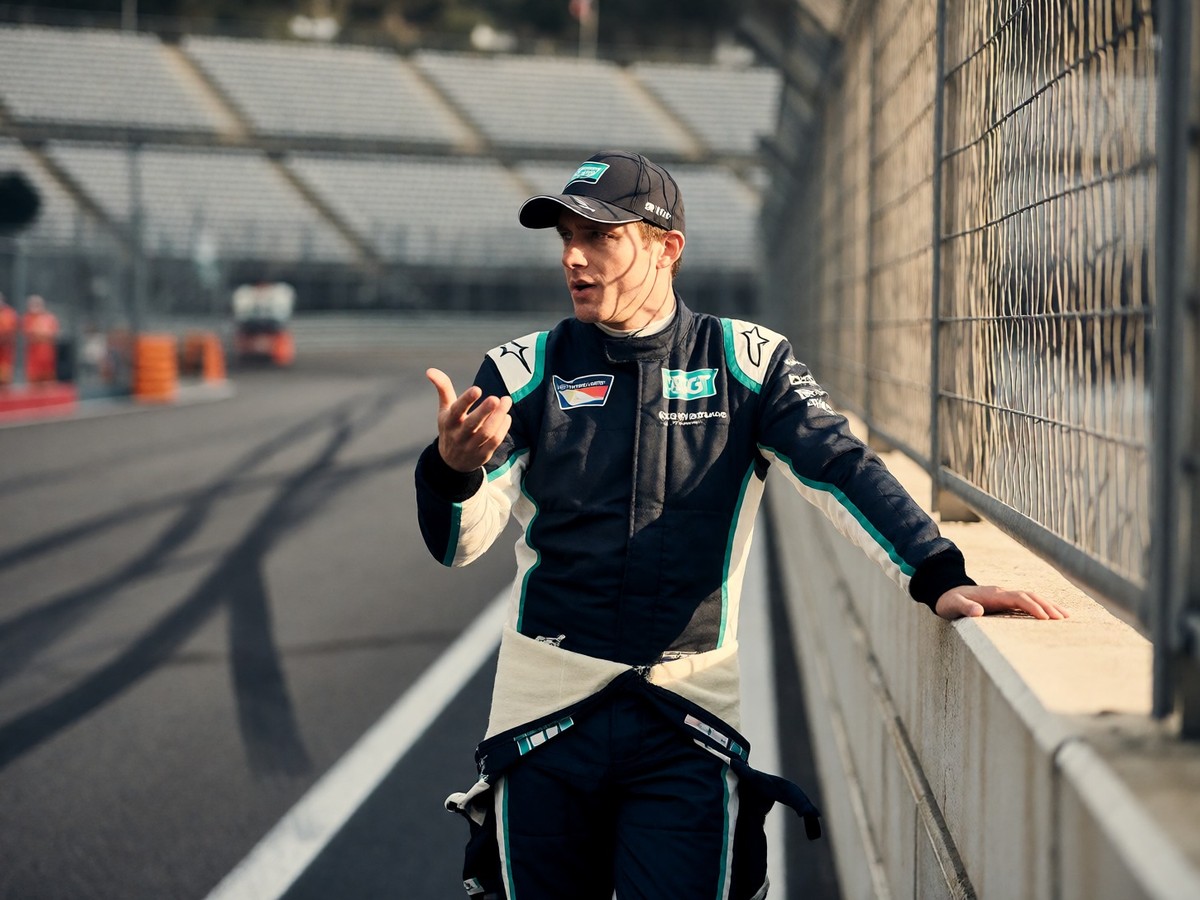
Sainz wants better corner exit boost
I prefer the overtaking solution Carlos Sainz proposed for the 2030 regulations over the current DRS setup because it focuses on corner exit. Sainz, the Williams driver and Grand Prix Drivers’ Association director, wants a straightline boost exiting corners. This boost helps drivers recover cornering speed lost in dirty air. "The power on the overtake mode, push to pass, DRS, whatever you want to call it, should happen exiting the corner, so that you have an extra power boost, let’s say, to catch up what you are losing in the corner [due to dirty air] but the boost shouldn’t then help you to finish the overtake," Sainz says. He believes the boost should only help a driver reach a close slipstream so they can use the draft and braking points to make a move. This avoids the dangerous top speed deficit where the lead car feels too vulnerable. Sainz argues that the delta on speed should come more at the beginning of the straight when a driver tries to get the slipstream rather than at the end of the straight when the overtaking and the delta speed is too high. He notes that current DRS creates delta top speeds of 30 km/h, which makes leaders too scared to defend their position when a following car arrives quickly.
Technical specs and Verstappen’s view
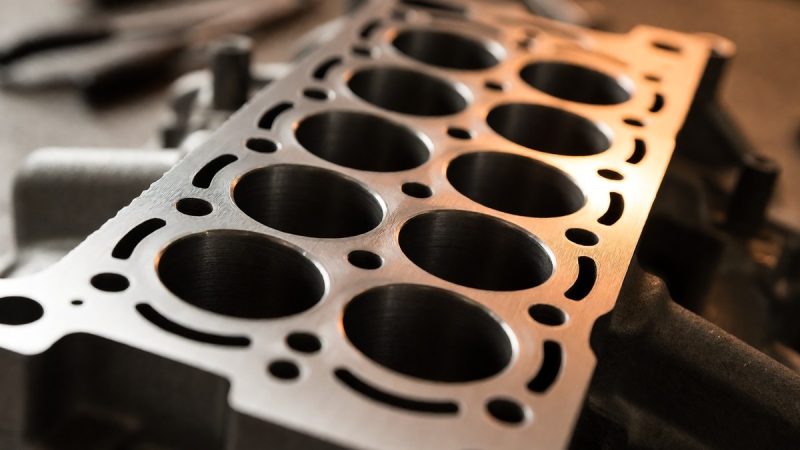
F1 will sign off on the 2030 V8 power unit tenets at the FIA World Motor Sport Council in Shanghai on 12 December. These engines will be simpler, cheaper, and lighter than current models.
| Engine Component | Specification |
|---|---|
| Power Unit | Turbo V8 |
| Total Electric Energy | 200kW |
| Standard KERS Output | 100kW |
| Boost Mode Output | 100kW |
| Fuel | Sustainable |
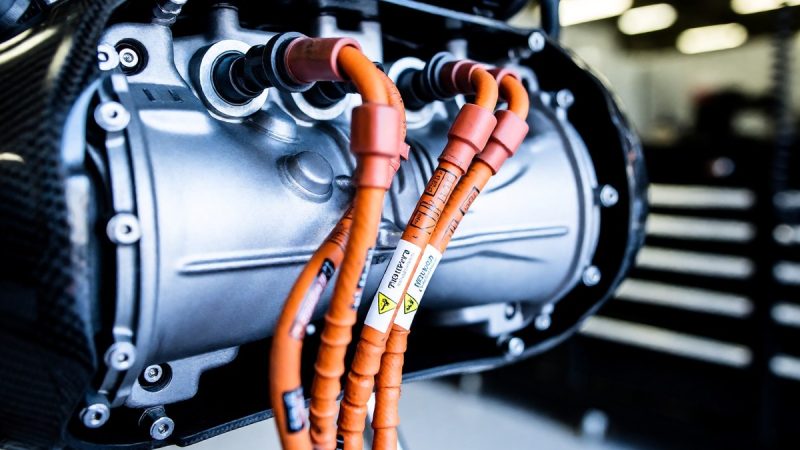
The next generation of engines will use sustainable fuel and a smaller electric unit. The current thinking for the KERS unit is 100kW of electric energy in standard mode and an additional 100kW of boost mode. This results in a total harvest of 200kW. While the FIA has not ruled out pairing a push-to-pass system with a return of the DRS overtaking device on the rear wing, the next engines will not require active aerodynamics.
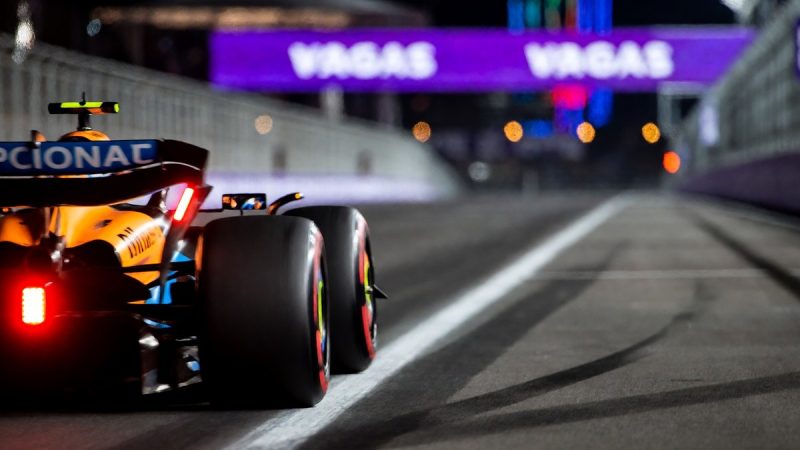
The 35 lead changes in Las Vegas show how much slipstreaming and power unit boost affects racing. At the Las Vegas street circuit, the combination of the slipstreaming effect and the power unit boost mode led to yo-yo racing where the lead car often ended up a sitting duck on the straight. Max Verstappen suggests a different path where cars are draggy enough to make DRS unnecessary. "You can still come up with a formula where maybe a car is just super draggy in a straight line, so you don’t need to rely so much on DRS," Verstappen says. He wants an engine with better throttle response and no lag. He notes that driving a car like the RB7 is nice because the throttle responds and the car is not shaking about.