Battery energy management and torque fill at the 2026 Azerbaijan Grand Prix
The 2026 power unit features a 4 MJ battery capacity that depletes in 11.43 seconds of full power. This energy constraint causes super clipping, where Lewis Hamilton noted cars arrive 20 to 30 km/h slower into braking zones due to reduced deployment.

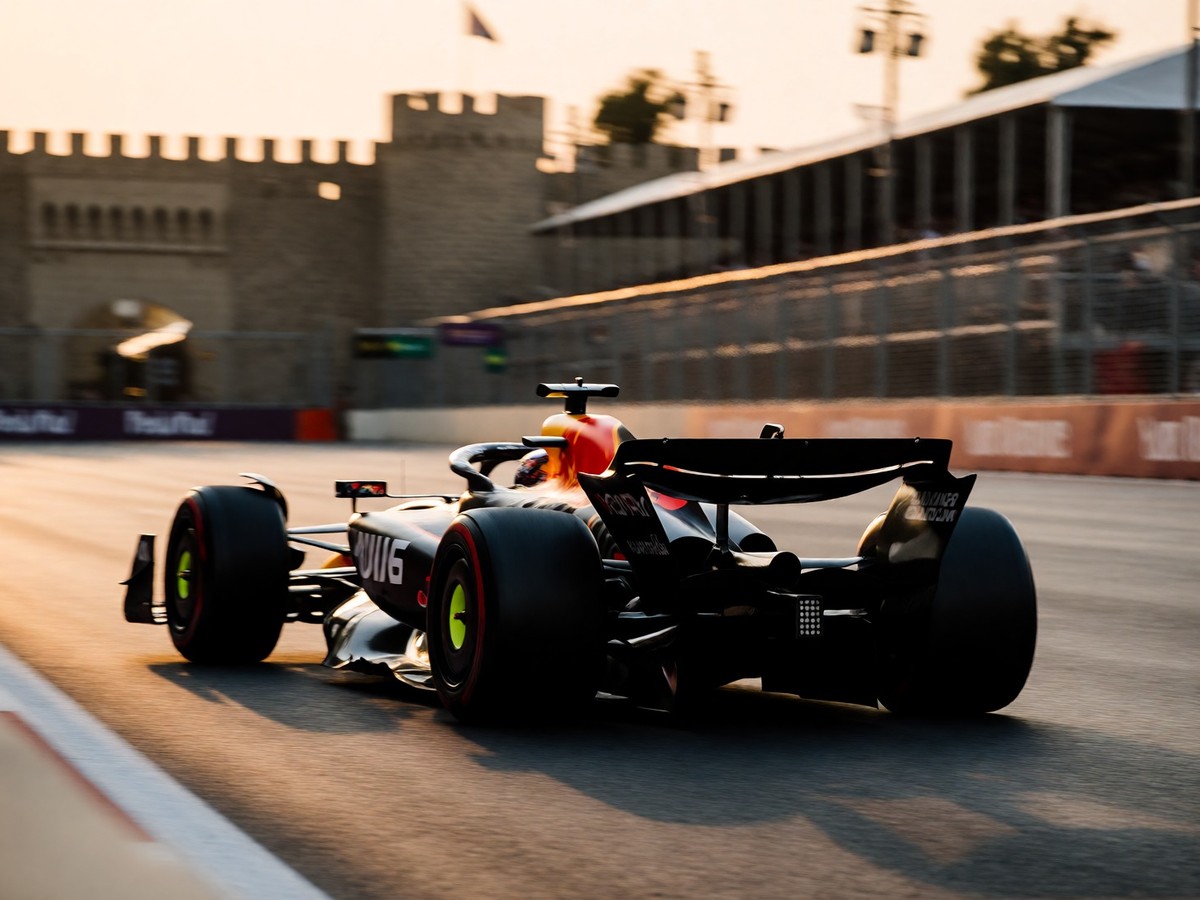
The 2026 power unit operates with a 50:50 power split between the internal combustion engine and the electrical system. The internal combustion engine is a 1.6 liter V6 that produces 400 kW. The electrical side consists of the MGU-K, which produces 350 kW. This electrical power shows a nearly 300% increase compared to previous regulations. The removal of the MGU-H assists in reducing vehicle weight. The current fuel used in these engines consists of 100% sustainable fuels derived from municipal waste, carbon capture, and non-food biomass.
Battery Constraints and the Mechanics of Super Clipping
The 4 MJ battery capacity creates an intense challenge for energy management. The MGU-K consumes 350 kJ of energy every second to propel the car. This consumption rate means the battery empties in approximately 11.43 seconds of full power. When the battery lacks energy at the end of a straight, the internal combustion engine uses part of its power to charge the battery. This process is clipping. Super clipping occurs when the engine must work harder to charge the battery at the end of a long straight. This phenomenon causes a sudden drop in speed. Lewis Hamilton stated that cars arrive 20 to 30 km/h slower into braking zones due to reduced battery deployment at the end of the straights. The current battery capacity of 4 MJ means the energy depletes three times faster than in the previous regulations.
Baku Circuit Technical Data
The Baku City Circuit measures 6.003 km in length. The race consists of 51 laps for a total distance of 306 km. The track contains two straight-line mode zones for active aerodynamics. One zone sits on the pit straight. The second zone is located between turns 2 and 3. The overtake detection point resides before turn 17. The activation zone for this maneuver sits just before turn 17. The distance from the pole position to the first braking zone measures 130m. Safety car probability at this venue is 60%. The average track temperature is 27.2 °C. The highest track temperature reaches 40.1 °C. The average ambient temperature is 22.6 °C. The highest ambient temperature reaches 29.6 °C.
Energy Management Modes
| Mode | Operational Purpose | Deployment Constraints |
|---|---|---|
| Overtake | Provides 0.5 MJ of additional energy | Requires being within a set distance of the car ahead and staying on full throttle for more than 3 seconds |
| Boost | Manages battery energy for specific sections | Used as the standard mode during the race |
| Recharge | Recovers energy during braking or accelerator release | Used to maintain capacity for straights |
Drivers use Boost mode to manage the battery during specific sections, such as straights. They use Recharge mode to recover energy during braking or accelerator release to maintain capacity for attacks. Overtake mode provides an additional 0.5 MJ of energy. A driver must stay on full throttle for more than 3 seconds to use this mode. The FIA decides the distance required for Overtake mode based on the track layout.
Aerodynamics and Chassis Design
The 2026 regulations replace the traditional DRS with active aerodynamics. Drivers select X-mode to reduce drag on straights. Drivers select Z-mode to maximize downforce in corners. The 2026 cars have a minimum weight of 768 kg. The wheelbase is 3400mm and the width is 1900mm. The cars are 200mm shorter than previous models. The floor length decreased by 150mm. The FIA designed the 2026 chassis to produce 40% less downforce than the ground-effect cars, while the aerodynamic setup reduces total drag by almost 55% to facilitate higher top speeds on long straights. Engineers use softer mechanical set-ups and more conservative ride heights because of the new flat floor. The new regulations favor a push-rod front suspension scheme to provide better stability.
Dimensions and Braking Systems
The chassis dimensions and tyre specifications changed significantly for the 2026 season. The cars are 200mm shorter than the previous generation. The wheelbase is 3400mm and the width is 1900mm. The floor length is 150mm shorter. Pirelli supplies 18-inch compounds. The front tyres are 25mm narrower than the current rear tyres. The rear tyres are 30mm narrower than the current rear tyres. The minimum weight of the car is 768 kg. Braking performance is critical because of the higher top speeds at the end of straights. Both Brembo and Carbon Industries supply the braking components. Front brake rotors have a diameter between 325mm and 345mm. Rear brake rotors have a diameter between 260mm and 280mm. All brake discs have a maximum thickness of 34mm. Most teams adopt bigger discs on the front axle and smaller discs on the rear axle to manage energy recovery.
Formation Lap Challenges and Harvesting Rules
The formation lap creates varying battery levels among the starting grid. Drivers in the first half of the grid pass the timing line before the start. This action counts toward the 8.5 MJ or 9 MJ harvesting limit for that lap. Using energy during the formation lap reduces the available energy for the race. Drivers at the back of the grid cross the start-finish line after the launch. This crossing resets the lap and the harvesting limit. George Russell explained that drivers at the front might use 50% of their harvest limit during the formation lap. This reduces the power available for burnouts. The FIA set a harvesting limit of 4MJ per lap for Monza to mitigate speed differences.
Economic Impact of the Azerbaijan Grand Prix
The Baku City Circuit generates massive economic activity. PricewaterhouseCoopers reported a total impact of US$ 506.3m over four race weekends. Direct spending on services like hotels, restaurants, and transport reached $300.6m. Indirect spending in sectors like construction and manufacturing reached $205.7m. The event produces 5,000 to 10,000 medium-to-short term jobs in its first two years. It provides up to 7,500 jobs over the following two seasons. Does the current 4 MJ battery limit force drivers to prioritize energy over raw speed?