Russell warns of catastrophic risk in wet Brazilian GP race
George Russell stated that racing in the heavy rain seen during Brazilian GP qualifying carries a very high chance of a catastrophic incident. The 2026 ruleset removes DRS, making overtaking difficult, while forecast rain may force safety car deployments due to severe visibility issues.

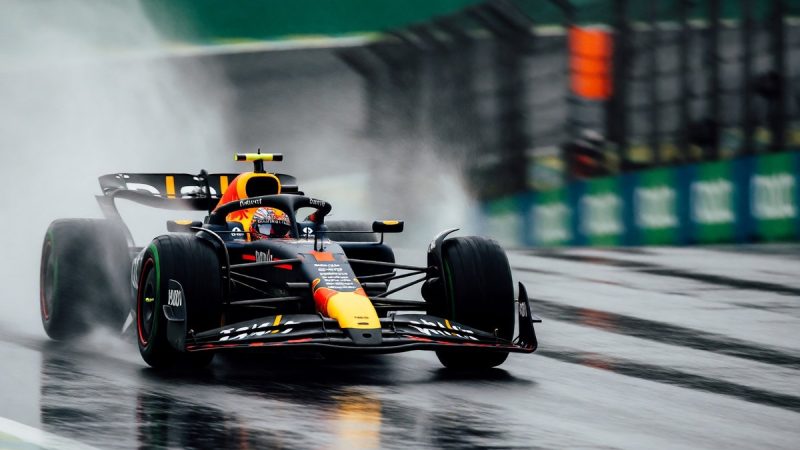
George Russell, a director of the Grand Prix Drivers Association, stated that racing in conditions matching Saturday’s Q1 would carry a "very high chance" of a catastrophic incident. The Brazilian Grand Prix qualifying session was delayed by almost an hour and a half after heavy rain hit Interlagos during the first phase. Pole-winner Lando Norris described those opening moments as "some of the wettest conditions I think I’ve ever driven in before." While the field managed to complete the session, the consensus among competitors is that the safety margins required for a race do not exist in such water. Isack Hadjar confirmed that the Q1 conditions would not have been race-able because the lack of grip made it impossible to control the cars safely at speed. This warning comes just one week after Lewis Hamilton and Lando Norris criticized the energy deployment ramp-down rates in Mexico, with Hamilton calling them "stupid" and Norris saying they "kind of ruin racing." Those same regulations now threaten to neuter the spectacle at Interlagos on Sunday afternoon.
The physics of the 2026 ruleset
The 2026 regulations have fundamentally altered how overtaking works, removing the DRS system that previously allowed cars to shed drag in straight mode. Instead, every car now uses an overtake mode that grants a following driver within a one-second threshold an extra 0.5MJ of energy. Williams driver Carlos Sainz estimated this boost to be worth only "one or two tenths," which is clearly insufficient to create a meaningful pace offset on its own. Max Verstappen, who won the 2024 edition from 17th on the grid, explained that without DRS, the long straight at Interlagos becomes a dead zone where everyone drains their battery. He noted that the speed difference on the straight is going to be a lot less, making it quite a lot harder to pass. Hamilton, who will start 20th due to a 10-place grid penalty, agreed that overtaking will be very, very, very hard. He suggested we are unlikely to see the same sort of races that we have seen in the past because the cars no longer offset each other’s drag in the way they did under the old rules. This static nature of the race is compounded by the tire strategy, where Pirelli expects a two-stop route using soft, medium, and soft tires because degradation is high. A one-stop strategy is ten seconds slower, so teams must manage the rubber carefully while trying to find any passing opportunities that the new aerodynamic package allows.
Weather as the deciding factor
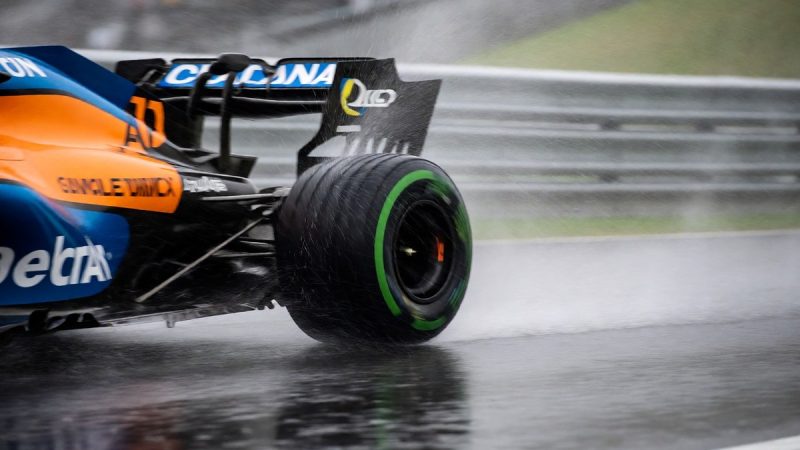
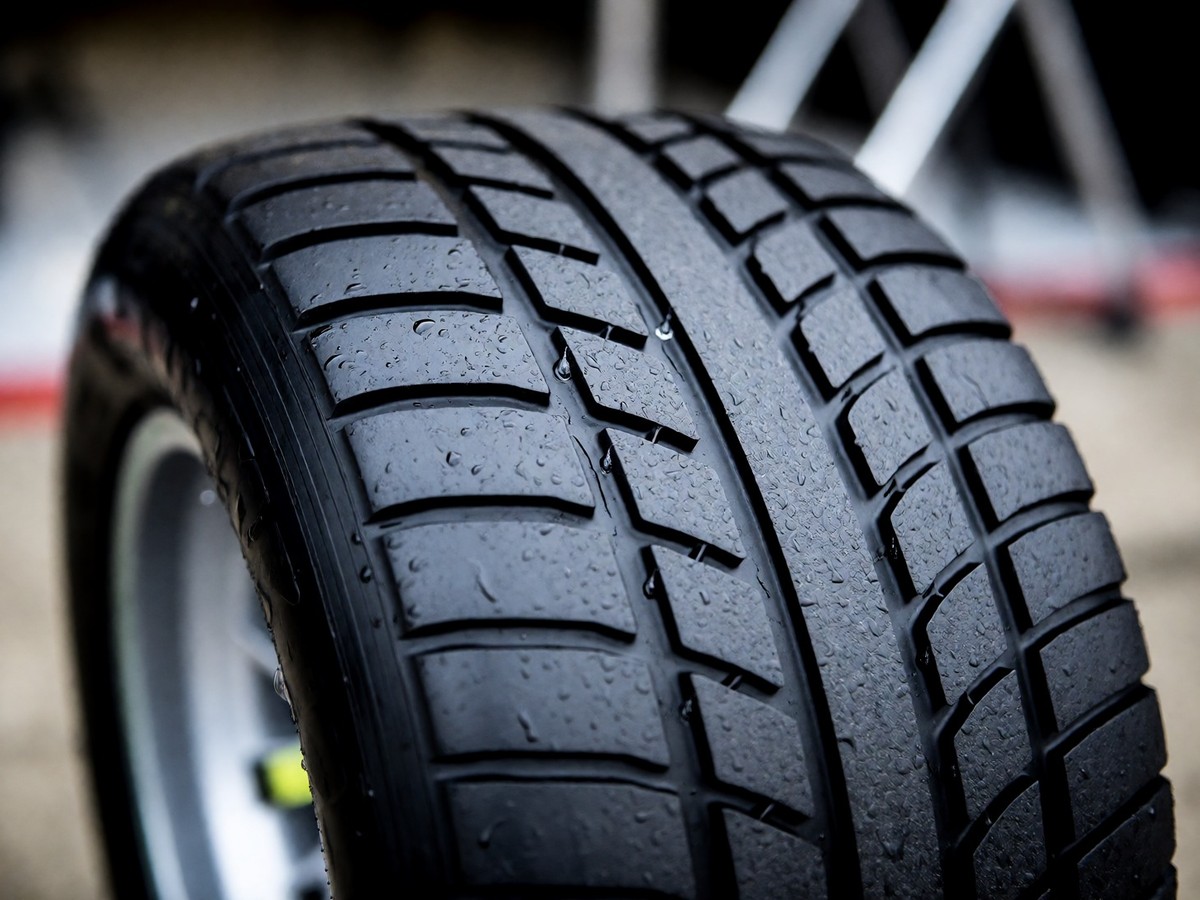
The weather forecast introduces a massive variable that could override the static racing dynamics entirely. In the wet, active aero can be disabled, which increases the slipstream effect and potentially aids overtaking. However, the visibility issues that plagued qualifying remain the primary concern for race safety. Russell reported that he was wheel-spinning in fifth gear at over 200kph while aquaplaning, with zero visibility down the straight into turn four. He emphasized that if that was a race, there was no way we should be driving in that because the chances of seeing a really, really horrific incident are very, very high. McLaren team principal Andrea Stella said he would be surprised if we have a dry race, noting that the forecast predicts steady rain. He expressed optimism that the race can proceed if visibility remains acceptable, pointing out that the cars tolerated a certain amount of water in qualifying. From Pirelli’s perspective, both rain tyres are viable options, but the intermediate tyre proved difficult to get up to temperature in earlier seasons. The full wet tyre, which had never been used in anger until now, proved less prone to aquaplaning and operated at a better running temperature. Race director Rui Marques picked the moment when safety car driver Bernd Maylander felt conditions were safe enough to run, provided marshals could clear standing water. Valtteri Bottas called the first moments a fight for survival, but many cars running together helped move the water. Sainz agreed that the timing was just about spot on, though he warned that those first two laps of qualifying would have been very tricky at the start of a race with zero visibility.