Leclerc drops to eighth after penalty for Lawson collision
Charles Leclerc was penalized five seconds for colliding with Liam Lawson in the Sao Paulo Grand Prix, dropping him from seventh to eighth. The FIA stewards ruled the contact gave Leclerc an on-track advantage, while Kimi Antonelli and Oliver Bearman also received penalties for unsafe pit releases.

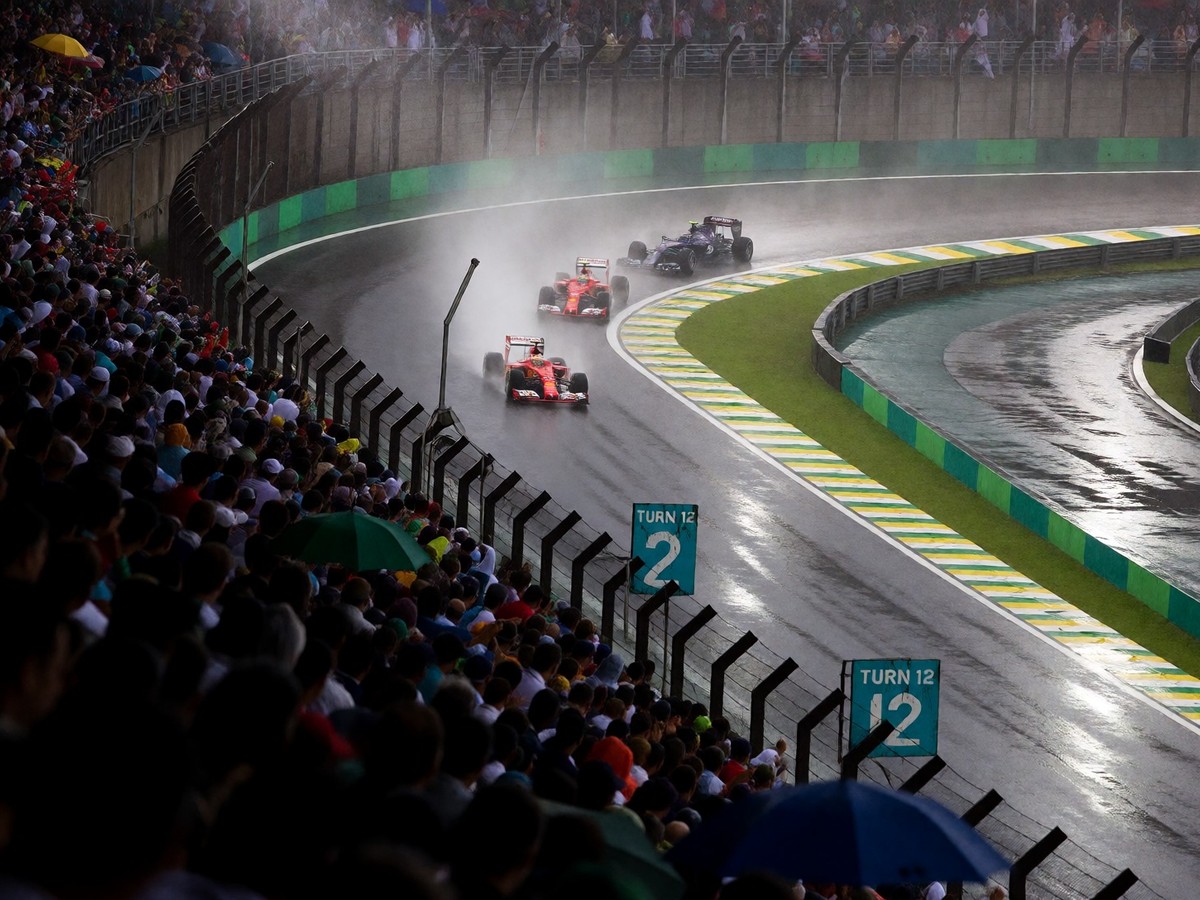
Charles Leclerc lost seventh place in the Sao Paulo Grand Prix after stewards handed him a five-second penalty for colliding with Liam Lawson on lap 69. The Ferrari driver made contact into Juncao, Turn 12, while battling for position in wet conditions. Although both cars continued to the finish, the incident triggered a post-race investigation that resulted in a definitive ruling against Leclerc. He crossed the line just 1.816 seconds ahead of Lawson, but the time addition dropped him behind his rival and into eighth place. This result places Lewis Hamilton ninth, directly behind his team-mate, while Racing Bulls secures a strong P7 for their driver. The decision confirms that even minor contact can alter final standings if it provides an on-track advantage.
Stewards cite clear sporting consequence
The FIA stewards determined that Leclerc was to blame because he failed to take necessary steps to avoid a collision when Lawson held the right to the corner. They acknowledged the contact was minor and occurred in wet conditions, which mitigated the punishment from a potential ten seconds down to five. However, they concluded that the impact clearly disrupted Lawson’s car and allowed Leclerc to pull up alongside when previously further away. This disruption enabled the Ferrari driver to overtake five corners later, constituting an "obvious sporting consequence" according to the official report. Leclerc claimed the contact caused no obvious sporting consequence, but the stewards rejected this argument based on video and data analysis. The ruling stands firm despite Leclerc’s post-race comments describing the move as "part of racing" and "fun."
Lawson described the incident as reminiscent of Leclerc’s 2017 GP2 maneuver on Alex Albon in Abu Dhabi, calling it the Monegasque’s "specialty." The New Zealander stated he did not know if the move was legal but noted that Racing Bulls would review the footage. His perspective highlights the contentious nature of late-race battles where physical contact influences momentum. The stewards’ decision prioritizes the Driving Standard Guidelines over subjective interpretations of racecraft. By enforcing the rule strictly, they ensure that tactical advantages gained through contact are nullified in the final results. This approach maintains consistency in how collisions are judged across different tracks and weather conditions.
Additional penalties affect Antonelli and Bearman
Kimi Antonelli, the new F1 world champion, also received a five-second penalty for an unsafe pitstop release. Mercedes released him into the path of Franco Colapinto during his final stop, forcing the Italian to attempt avoiding action. Despite the infraction, Antonelli finished fifth because he remained over 20 seconds ahead of Oscar Piastri, who was directly behind him on track. This margin ensured his finishing position stayed unchanged, securing Mercedes’ constructors’ championship title for the season. The penalty serves as a formal record but does not impact the strategic outcome of the race for the leading team.
Oliver Bearman faced a similar five-second penalty for releasing his Haas car into Leclerc’s path in the pit lane. This forced Leclerc to check-up, creating a safety hazard that warranted post-race punishment. Bearman finished 17th, one lap ahead of Sergio Perez in 18th, so the penalty had no effect on his final standing. These additional sanctions demonstrate the FIA’s strict enforcement of pit lane safety regulations during high-pressure race finishes. The combination of on-track and pit-lane infractions resulted in three drivers receiving identical time additions in a single event.