Honda power unit limitations hinder Aston Martin AMR26 performance
The Honda power unit creates significant driveability issues for the Aston Martin AMR26, particularly in Singapore where the engine accounted for 113% of the laptime deficit. While chassis improvements since Hungary have aided cornering, engine deficits remain a major concern.

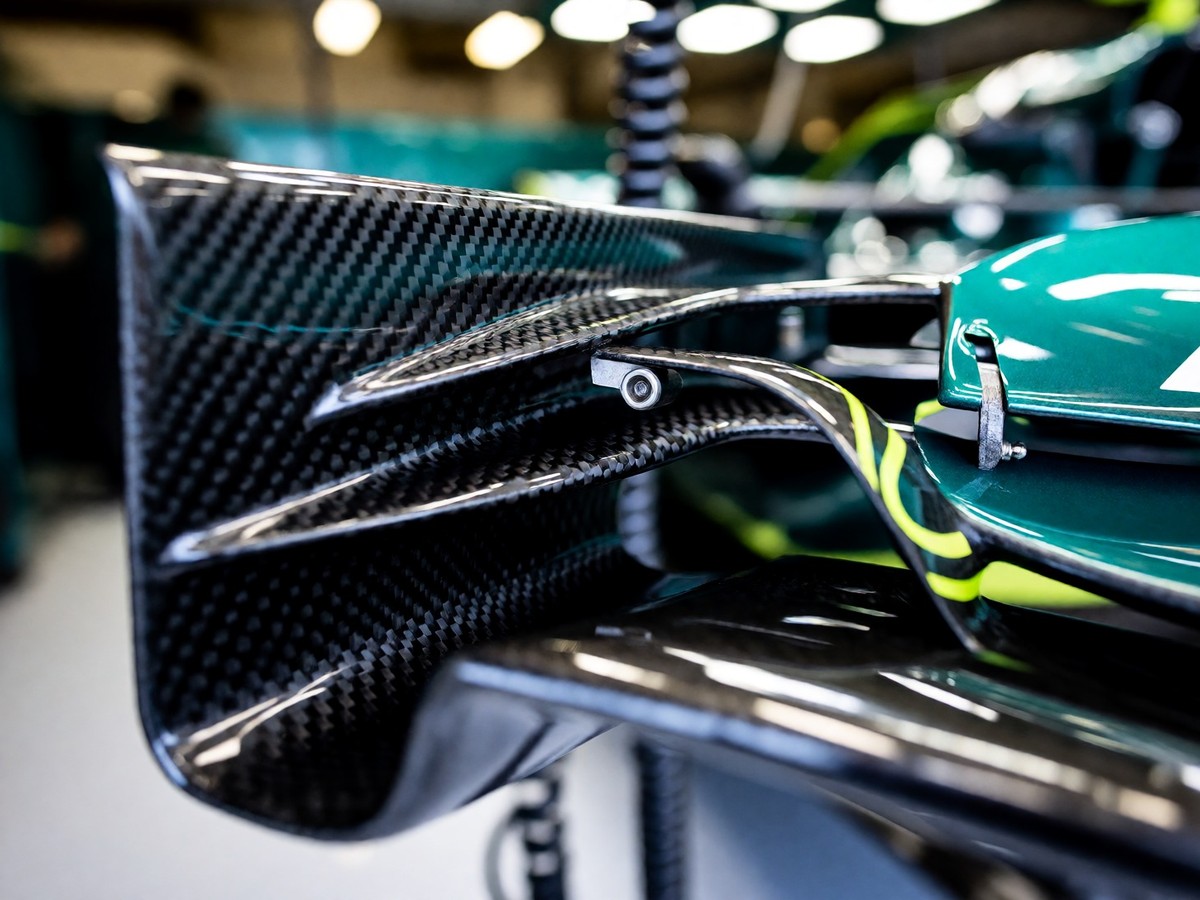
Chassis improvements since Hungary
The AMR26 chassis shows competitive cornering performance at Sepang and Singapore. Alonso praised the balance and poise of the car at Zandvoort after he earned ninth-place points. This chassis improvement follows a period of declining competitiveness between Barcelona in round seven and Spa in round ten. The step-change worsening of the car’s competitiveness happened as the top teams piled on development while the AMR26 remained on the race one spec. The Hungary update in round eleven provided a step-change in quality that the team continues to use. In Singapore, Alonso exited in Q1 because he believed the turbo failed, though Honda reported no failure. Despite the disappointing qualifying result, the car’s corner performance in Singapore proved more competitive than it was at Sepang. The driver feedback after the Zandvoort race confirmed the car had good balance.
Power unit limitations and data
The Honda power unit limits the AMR26’s performance through different track layouts. The ADUO 1 upgrade arrived at Zandvoort. This specific unit caused the full-throttle deficit to increase by several tenths. Drivers reported that the unit lost the driveability gains made with the previous version. The team sought to fix driveability issues through a turbo modification that resulted in the ADUO 2 spec. This version arrived in Baku. While the ADUO 2 worked at Sepang, the intricate, corner-upon-corner layout of Singapore triggered terrible throttle response and inconsistent deployment. The following table shows the laptime deficit between the Aston Martin and the pole car at each track since the Hungary upgrade.
| Track | Actual Deficit (s) | Full-Throttle Deficit (s) | Power vs Chassis (%) |
|---|---|---|---|
| Hungaroring | 2.601 | 1.291 | 49.6 / 50.4 |
| Zandvoort | 2.487 | 1.476 | 59.3 / 40.7 |
| Monza | 3.364 | 3.127 | 92.9 / 7.1 |
| Madrid | 3.564 | 2.561 | 52.0 / 48.0 |
| Baku | 4.057 | 1.854 | 47.0 / 53.0 |
| Sepang | 2.090 | 2.238 | 101.0 / -1.0 |
| Singapore | 2.850 | 3.220 | 113.0 / -13.0 |
The percentage of the deficit attributed to the power unit versus the chassis varies by track. In Monza, the power unit accounted for 92.9% of the deficit, while the chassis contributed only 7.1%. In Singapore, the power unit accounted for 113% of the deficit, whereas the chassis showed a -13% deficit. At Sepang, the power unit accounted for 101% of the deficit, while the chassis showed a -1% deficit. In Baku, the power unit provided 47% of the deficit, while the chassis provided 53%, and in Madrid, the power unit provided 52% while the chassis provided 48%. In Zandvoort, the power unit provided 59.3% of the deficit, while the chassis provided 40.7%. In the Hungaroring, the split was 49.6% for the power unit and 50.4% for the chassis.
Potential for pole position
Alonso could have challenged for pole at Sepang if the team achieved power parity. Comparing Max Verstappen’s pole time at Sepang to Fernando Alonso’s 12th-fastest time, the Aston Martin driver sat 2.238s behind the Red Bull on the full-throttle parts of the lap, even though he only lost 2.090s overall. This gap suggests Alonso might have taken pole by 0.150s if he possessed a competitive engine. In Singapore, the deficit on full-throttle sections reached 3.22s, compared to the 2.238s deficit at Sepang. The Honda architecture places the MGU-K at the front to centralize mass, as Newey requested. This unique setup might flatter the chassis cornering performance. A conventional Mercedes or Red Bull power unit could negate this advantage. The driver feedback from both drivers suggests the engine’s driveability remains a concern for the partnership between Aston Martin and Honda. This deficit is a major factor in ongoing discussions between the team and Honda about the future of the partnership.