The future of FIA’s 2026 hydrogen refueling prototype trials
Extreme H testing in Saudi Arabia proved hydrogen fuel cell reliability in harsh conditions, with nine Pioneer 25 vehicles covering 550km without powertrain failure. These trials provide critical safety and performance data for the FIA to develop future hydrogen integration in series like the WEC.


Technical validation of hydrogen racing
The FIA’s hydrogen testing in Extreme H provides the technical data for future hydrogen integration in series like the WEC. The first Extreme H World Cup in Qiddiya City, Saudi Arabia, proved that hydrogen fuel cell technology works in extreme racing environments. This event provides the data necessary for the FIA to develop safety and performance standards. The Pioneer 25 race car uses a hydrogen fuel cell system within a 2,200kg platform. The FIA’s decision to support hydrogen through the Extreme H series shows a movement toward diverse clean mobility options.
The FIA developed new safety regulations in Appendix J of the International Sporting Code to manage hydrogen technology. These rules include requirements for H2 detector sensors, specific crash tests for survival cells, and a full failure mode and effects analysis. Mark Grain, the Extreme H Technical Director with nearly three decades of experience at McLaren, notes that the Pioneer 25 survived a rollover at speed without any safety issues. The 2,200kg vehicles also handled jumps that registered 17g upon landing. Because the Pioneer 25 undergoes these violent scenarios, the average road car encounters less than 10% of the forces applied to the race vehicle. Vincent Gaillardot, the Extreme H Technical Manager with a career spanning Renault F1, Williams, Ligier, Benetton, Jaguar, Toyota, and Nissan, worked with the FIA technical team to ensure the car satisfied stringent safety criteria.
Reliability and extreme conditions
Reliability in hydrogen racing remains a central concern for engineers. During the six-day event in Saudi Arabia, nine Pioneer 25 vehicles covered 550km without a single powertrain failure. The vehicles operated in dusty terrain with ambient temperatures reaching 40°C. Before the teams received the cars, the technical group completed 3,000km of testing. The eight racing teams scrutinized the performance and operation of the cars throughout the competition. Molly Taylor and Kevin Hansen, the winners representing Jameel Motorsport, noted that the car felt like a real race car despite its size and weight.
| Component / Metric | Specification / Value |
|---|---|
| Pioneer 25 Mass | 2,200kg |
| Extreme H Landing Force | 17g |
| Extreme H Race Distance | 550km |
| Extreme H Ambient Temp | 40°C |
| F1 MGU-K Output | 350kW |
| F1 ICE Output | 400kW |
| Hydrogen Station Capacity (EU) | 1 metric ton / day |
Refuelling and hybrid architecture
Hydrogen refueling provides a speed advantage for racing teams compared to standard electric vehicle charging. The Pioneer 25 operates as a hybrid vehicle using an electric battery and a hydrogen fuel cell. Electric motors handle energy bursts for acceleration and regenerative braking, while the fuel cell provides a steady flow of electricity to keep the battery charged. This configuration allows crews to refill hydrogen tanks in minutes. The only output from the vehicle is water. This ability to refuel quickly proves that hydrogen systems work in hot, dry, and dusty conditions.
The FIA’s interest in hydrogen also involves the transition from hydrogen gas to liquid hydrogen. Stuart Murray, the FIA Circuit Sport Deputy Director, notes that the FIA safety department switched directions toward liquid hydrogen based on previous work. This shift is relevant for the long-term goal of reaching net-zero emissions. If the FIA reaches its target of halving greenhouse gas emissions, hydrogen can serve as a major part of that plan. For touring cars, Murray does not see hydrogen implementation happening before 2030 because the organization wants to keep costs manageable for participants.
The Hydrogen Working Group
The FIA, Formula 1, and Extreme H established a joint Hydrogen Working Group to monitor the development of fuel cells and battery systems. This group includes Extreme H technical director Mark Grain, F1 chief technical officer Pat Symonds, and FIA single-seater director Nikolas Tombazis. They examine race site infrastructure, transportation, charging, storage, and safety implications. While Formula 1 currently focuses on sustainable liquid hydrocarbon fuels, the group observes hydrogen to understand its potential. You already know that hydrogen requires specialized handling. Will the transition to liquid hydrogen influence the design of future Formula 1 power units?
The group provides a way for Formula 1 to observe the developments in the Extreme H series. Alejandro Agag, the founder of Extreme H, suggests that the partnership allows Formula 1 to keep an eye on technological directions without committing to them immediately. The collaboration also opens commercial opportunities for teams in Extreme H, some of which have links to Formula 1. The technical benefits of the group include gaining first-hand experience with hydrogen transportation and paddock infrastructure.
Global hydrogen infrastructure development
Expanding hydrogen mobility requires a massive increase in refueling stations. By the end of 2024, roughly 1,160 hydrogen refueling stations operated worldwide. In California, the retail network reached 52 stations in February 2026 after Chevron opened a location in Carson. This location adds three H70 fueling positions in the Los Angeles metro area. The European Union requires publicly accessible hydrogen refueling stations along the core Trans-European Transport Network by 2030, specifying that there must be at least one station in every urban node with a daily capacity of at least one metric ton.
In the United States, infrastructure development involves both public and private efforts. FirstElement Fuel operates a station at the Port of Oakland that dispenses up to 18,000 kilograms of hydrogen per day. This facility can fuel 200 trucks daily and completes a large Class 8 truck fill in about 10 minutes. In Washington state, Douglas County PUD opened a public station in East Wenatchee in June 2025 using hydropower. This station sells fuel for $4 per kilogram. In Europe, the European Commission awarded more than €600 million to 70 alternative-fuel infrastructure projects in November 2025.
Endurance racing and hydrogen prototypes
The FIA continues to integrate different technologies into its major endurance events. During the 2026 FIA World Endurance Championship at Imola, Hypercar drivers like Ye Yifei of Ferrari AF Corse and the Toyota Racing teams competed in high-performance machines. At the Spa 2026 WEC championship, organizers included hydrogen-focused elements in the fan zone. A hydrogen-powered bus drove through the legendary toboggan section with zero CO2 emissions. MissionH24 also presented the H2EVO prototype at the event. Toyota used the venue to show its commitment to hydrogen.
The Michelin tire, made from 71% recycled materials, will be on display at the Spa event to show progress in decarbonization. Hydrogen technology in motorsport provides a laboratory for the wider automotive industry. The FIA Extreme H World Cup has shown that hydrogen fuel cells are durable enough for the rigors of racing. This durability is a necessary component for the technology to reach consumer automotive markets.
Formula 1 power unit regulations
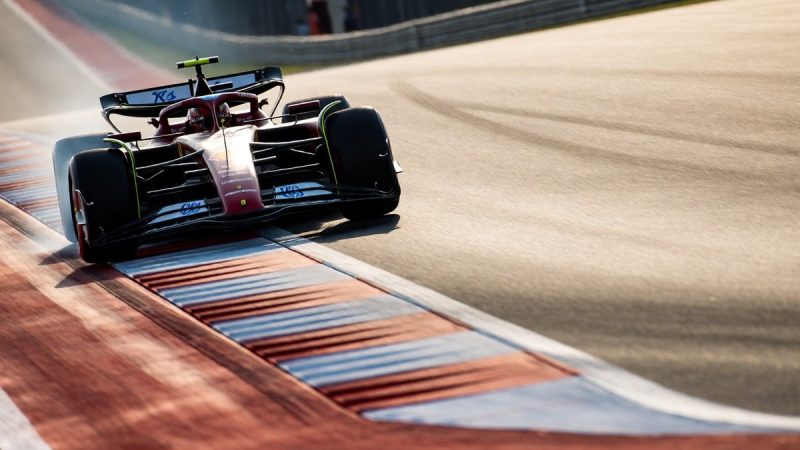
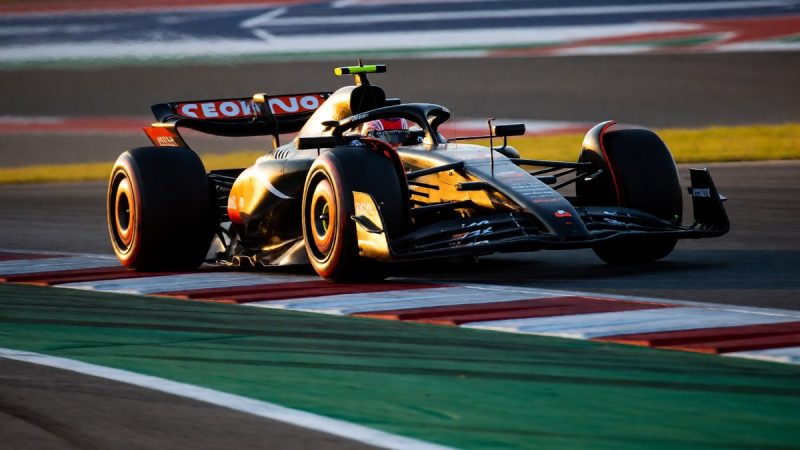
The 2026 Formula 1 power unit suppliers include Alpine Racing, Audi, Ferrari, Honda, Mercedes-AMG HPP, and Red Bull Ford. These manufacturers must redesign internal combustion engines to remove the MGU-H and outlaw split turbo setups. Technical regulations increase the MGU-K output to 350kW while the internal combustion engine output will be around 400kW. This is a reduction from the approximately 630kW output used previously. The regulations mandate a maximum fuel energy usage instead of a fuel flow limit.
Mohammed Ben Sulayem, the FIA president, stated that the confirmation of these six manufacturers shows the strength of the championship. The power unit remains at the front of technological development as the FIA works toward net-zero. While F1 focuses on these engine changes, the technical roadmap for hydrogen continues to evolve. The FIA intends to work with global brands to build a technical roadmap that provides lessons for future automotive innovation.