The future of FIA’s 2026 active aero mode policing
The 2026 Formula 1 regulations introduce a dual-mode aerodynamic system requiring wing transitions within 400ms. This shift to X-mode and Z-mode aims to reduce drag by 55% while managing complex stability challenges during high-speed transitions.

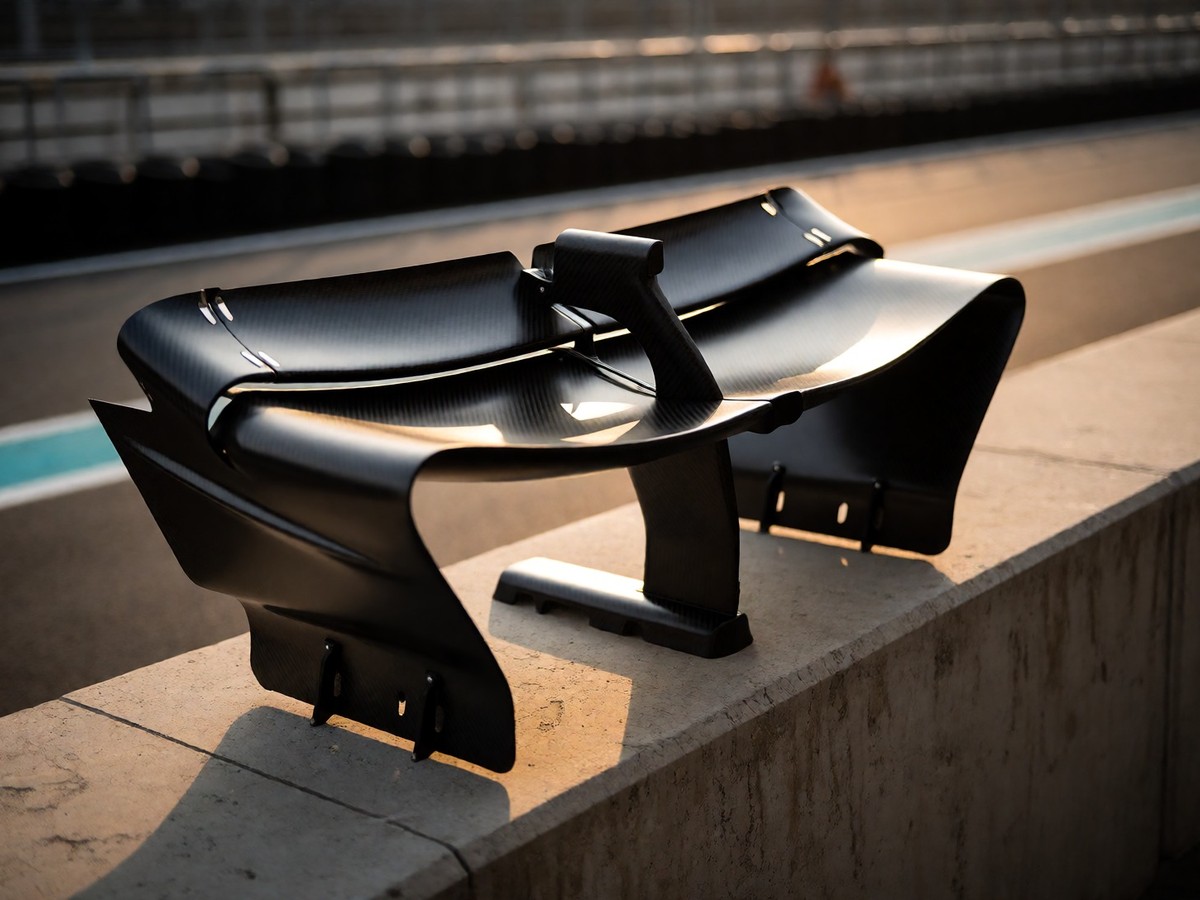
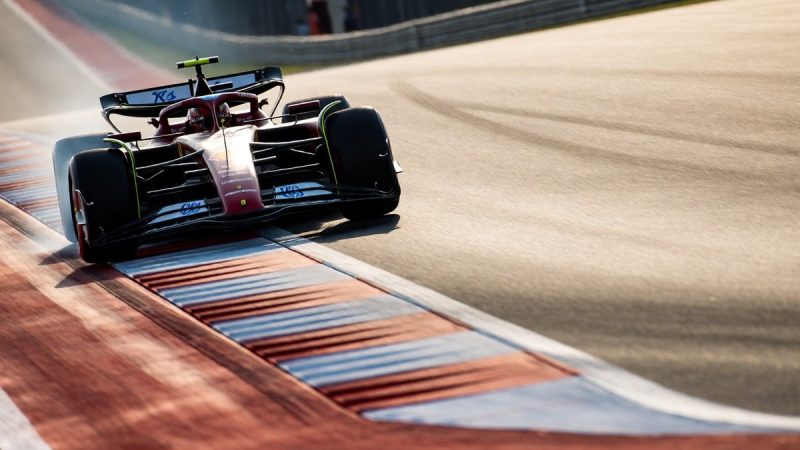
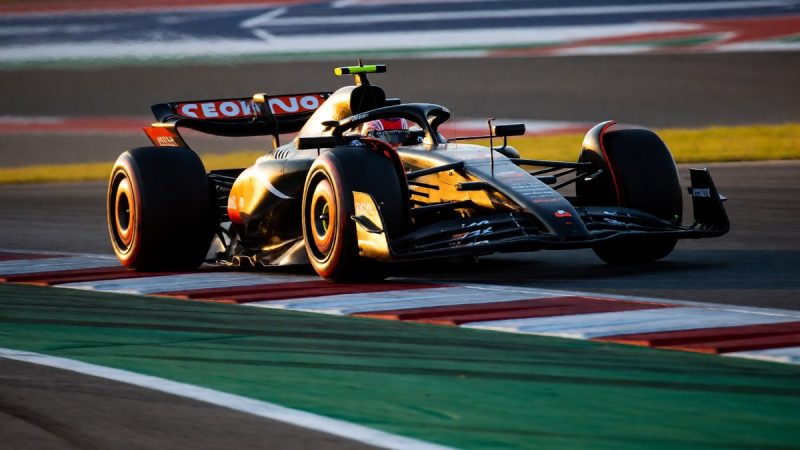
The 2026 regulations reduce total downforce by 30% and drag by 55% compared to the 2022 to 2025 generation. This change forces a shift from a fixed aerodynamic profile to a dual-mode system. Drivers utilize X-mode to reduce drag on straights and Z-mode to maximize downforce in corners. This transition happens through movable elements on both the front and rear wings. The FIA requires the system to complete the transition between these two fixed positions within 400ms. The 2026 regulations shift the driver’s role from a pure pilot to a real-time energy and aerodynamic manager.
Dimensions and weight specifications
The 2026 cars have a minimum weight of 768kg. This is 30kg lighter than the 800kg cars from the previous era. The maximum wheelbase is 3400mm, which is 200mm shorter than the 3600mm limit used in 2025. The maximum width is 1900mm, a 100mm reduction from the 2000mm width used previously. Pirelli supplies narrower tyres, with the front width decreasing by 25mm and the rear by 30mm. The 2026 chassis is also 100mm narrower. The redesigned power unit delivers a 50/50 split between thermal and electrical power. The internal combustion engine produces 400kW while the battery provides 350kW.
Wing mechanics and dual-mode control
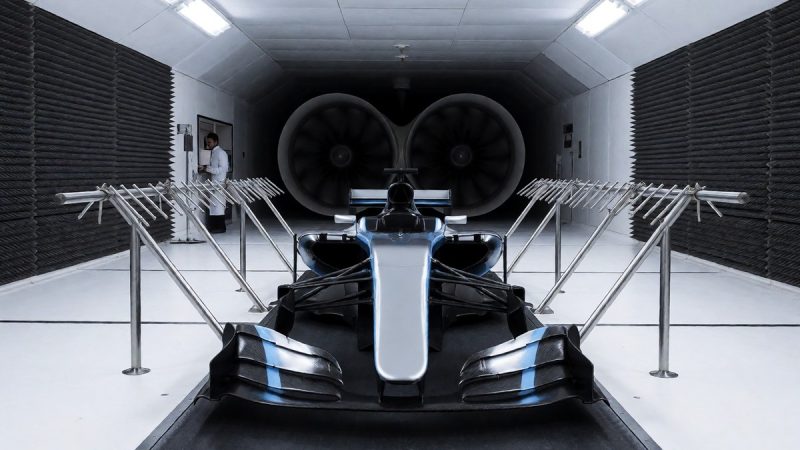
The front wing has three elements instead of four. The upper two elements are movable to allow for active aerodynamic adjustment. The rear wing uses three elements that rotate between the closed Z-mode and the open X-mode. The FIA specifies that the rear wing adjuster system must use a movable flap that rotates about a fixed axis. This system must return to Corner Mode if the mechanism fails. You already know the basics of how wings work, but the 2026 transition changes the fundamental physics. The coordination of the front and rear wings prevents the car from becoming unstable during braking.
The implementation of this system requires high precision. The magnitude of the incidence decrease must remain identical each time the flap moves. The FIA requires the wings to move to a shallow angle in X-mode to increase top speed. In Z-mode, the flaps stay at a steep angle to maintain grip. The 2026 front wing is simpler and narrower than the previous design. The FIA reduced the width of the front wing by 100mm. This change aims to reduce the turbulent air that makes it difficult for a following car to maintain grip.
Energy management and overtaking tactics
The 2026 power units deliver a 50/50 split between thermal and electrical power. The internal combustion engine produces 400kW while the battery provides 350kW. Drivers use Overtake Mode to gain an advantage when they are within one second of the car ahead at a detection point. This mode grants an extra 0.5MJ of energy for the next lap. While the lead car’s deployment tapers after 290km/h, the chasing car can use 350kW of power up to 337km/h. The MGU-K harvests energy that would otherwise be lost under braking. Cars can harvest up to 8.5MJ per lap, which is double the amount from previous years.
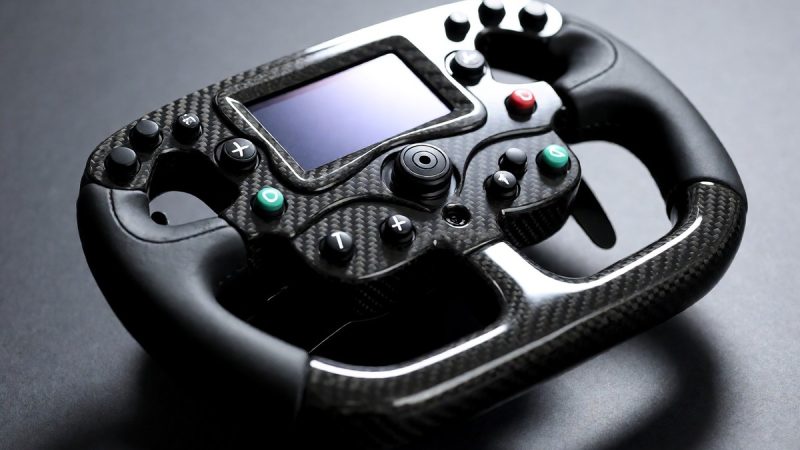
Drivers also have a Boost Mode button for manual energy deployment. This button triggers the 350kW MGU-K to allow for an attack or defense. Drivers can use this energy all at once or spread it across the lap. Managing the State of Charge (SoC) becomes a primary driver task. If a driver uses too much energy, the car might suffer from clipping where power drops on straights. Drivers use lift-off regeneration to charge the battery by lifting off the throttle. They also use super clipping to charge at the end of straights while the wings remain in an open position. A driver may spend two laps recharging to fill the battery for a longer attack later.
Aerodynamic instability and engineering trade-offs
Simulations conducted by teams revealed a severe issue with the initial aerodynamic designs. The change in aero balance when switching from corners to straights was three times more extreme than the previous DRS system. This instability put drivers at risk of spinning during acceleration on straights. Ferrari engineers specifically studied the "Macarena Wing," a flap that rotates a full 180 degrees. At the 90-degree midpoint, the flap creates a massive spike in drag and load. This causes flow separation and intense, chaotic vortex shedding. As the car slows down, the shedding frequency shifts. The excitation spectrum moves constantly, hunting for the structural natural frequency of the wing assembly. If they hit resonance, the wing does not just vibrate, it fails. Will the structural stability of the rotating flaps hold during the most intense aero transitions?
The engineering reality remains blunt: a dual-mode car needs a rulebook that prevents chaos. A driver might turn on Overtake Mode early in a lap to scare a rival into burning their own Boost in defense. The driver then backs off to save the real attack for later. This mental game relies on the opponent’s battery being lower. The driver must balance the gain in top speed against the risk of a nervous rear end in the corners.
Floor geometry and wake management
The 2026 cars use a flatter floor to reduce ground-effect sensitivity. The floor generates approximately 50% of the total downforce. The FIA limits the radius of curvature for main floor aerodynamic surfaces to no less than 25mm. Rearward floor board surfaces must maintain a tangent angle of at least 15 degrees to the X axis. These rules prevent teams from using aggressive geometric tricks to seal the floor. The enlarged diffuser compensates for the removal of the beam wing to manage airflow exit. The floor must avoid concave curvature tighter than 100mm.
The floor and diffuser design aims to create cleaner wakes. Designers must work within a reduced volume for the rear wing elements. This constraint increases the difficulty of generating sufficient downforce. The removal of the ground-effect tunnels makes the cars more livelier and harder to control at the limit. The interaction between the diffuser exit and the rear wing remains a primary performance area for teams.
AI and track limit enforcement
The FIA uses RaceWatch, a system developed with Catapult, to monitor track limits. This computer-vision-based tool identifies when a car crosses a white line. The system reduces the number of cases requiring human involvement by 95%. The FIA uses geofencing and positioning data to detect deviations from the ideal racing line. The "Every Car All Turns (ECAT)" concept allows the system to interpret car behavior by measuring it against a reference model. The system cross-references positioning data, sector-time information, and ideal racing lines. This creates a real-time "digital twin" of the track activity.
The FIA uses a centralized camera controller to set distances from a single point and distribute processing. This allows the software to run on any machine in the network. If a car deviates from the ideal line, the system flags the episode for review. The system can detect a potential track-limit infringement purely from positioning data. If the data shows an abnormal deviation, the car enters a virtual zone, or the trajectory strays from the ideal line, RaceWatch generates an alert. The FIA also sends footage of infringements directly to teams to improve transparency.
Technical specifications comparison
The following table compares the 2025 specifications with the 2026 regulations.
| Feature | 2025 Specification | 2026 Specification |
|---|---|---|
| Minimum Weight | 800 kg | 768 kg |
| Maximum Wheelbase | 3600 mm | 3400 mm |
| Maximum Width | 2000 mm | 1900 mm |
| Front Tyre Width | 305 mm | 280 mm |
| Rear Tyre Width | 405 mm | 375 mm |
| Downforce | High | 30% Reduction |
| Drag | Standard | 55% Reduction |
| Battery Output | 120 kW | 350 kW |
| ICE Output | 550 kW | 400 kW |
| Energy Recovery | Standard | 8.5 MJ per lap |
The 2026 cars aim for a 50/50 split between combustion and electrical power. This uses advanced sustainable fuels to reach Net Zero Carbon goals. The MGU-K handles all electrical energy recovery under braking. Drivers must manage the balance between aerodynamic efficiency and electrical deployment to win.