Technical risks in Ferrari’s 2026 power unit thermal management
Ferrari faces significant challenges balancing cooling requirements with aerodynamic stability for the 2026 regulations. The team must resolve turbo overheating and MGU-K energy harvesting deficits to close a 4% performance gap to Red Bull.

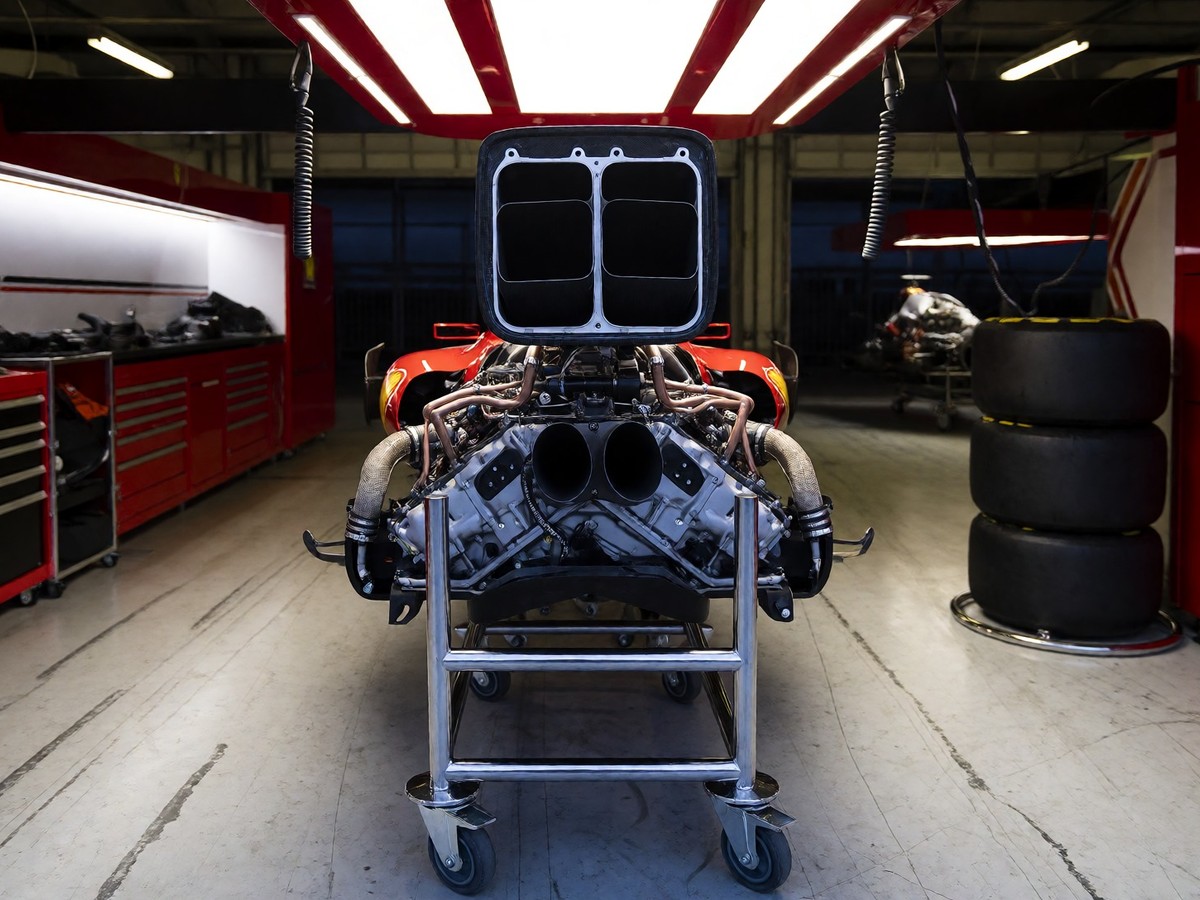
Ferrari’s power unit lags the Red Bull Powertrains benchmark by over 4%. This performance deficit triggered the FIA to grant the team two mid-season upgrades for 2026. The current power unit relies on a 1.6-litre turbocharged V6 and a 350kW MGU-K. The 2026 regulations create a 50/50 power split between the internal combustion engine and the electrical system. While this split aims to make the cars more road-relevant, it places massive pressure on thermal management and energy deployment.
The aerodynamic penalty of the cooling inlets
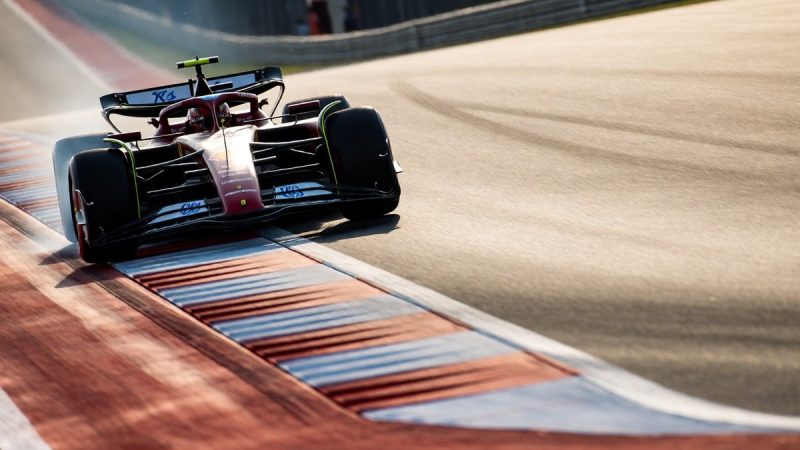
The large cooling inlets atop the Ferrari engine cover cool the power unit. These inlets create an aerodynamic efficiency penalty. This penalty increases rear tyre degradation. In Austria, track temperatures hit 50°C. This heat made the tyre issue worse. Leclerc reported very low grip at the rear during the race. The team engineers at Maranello must find a way to balance the massive cooling requirements of the new power unit against the aerodynamic stability required to maintain tyre life during a full race distance.
The necessity of these inlets creates a direct conflict between engine temperature and aerodynamic performance. Large inlets move more air to cool the internal components, but they also increase drag. This drag affects how the car handles the air and disrupts the rear downforce. During the race in Austria, Ferrari had to use a three-stop strategy because of poor tyre degradation. This occurred even though the two-stop strategy was faster. The cooling requirements for the power unit directly impact the car’s ability to maintain consistent tyre pressure and contact patches.
| Component | 2026 Specification |
|---|---|
| MGU-K Power | 350kW |
| Power Split | 50% ICE / 50% Electrical |
| Internal Combustion Engine | 1.6-litre V6 Turbo |
| Energy Recovery Source | MGU-K only |
| Minimum Car Weight | 724kg |
Energy management and harvesting failures
Energy management presents a primary technical challenge for the Scuderia. Ferrari’s Barcelona testing data showed difficulties in medium-speed corners. The car struggles to harvest enough energy via the MGU-K in these sections. This leads to power loss on straights. The battery cannot sustain deployment over a full lap. The 2026 regulations eliminate the MGU-H, which previously harnessed exhaust gases. Now, the MGU-K is the only source of energy recovery.
The MGU-K is nearly three times as powerful as the previous generation, providing 350kW to the rear wheels. However, this increased power demands much more efficient harvesting during braking and lift-off phases. If the car cannot recover energy effectively in corners, the battery lacks the charge for the next straight. This creates a cycle of inefficiency. The team must manage energy during braking, part throttle, and super clipping to prevent the battery from running dry. You know that managing energy in F1 is a constant struggle between speed and conservation.
Turbo overheating and altitude risks
A small turbocharger reduces lag off the line. This small turbo also increases overheating risks. At high altitude tracks like the Red Bull Ring, the turbo works harder. Hamilton used mode TS to manage these temperature concerns. The turbo’s performance is sensitive to the ambient temperature and the altitude of the circuit. When the turbo works harder to provide boost, it generates more heat within the power unit.
The thermal load from the turbo affects the entire cooling package. If the cooling inlets do not move enough air, the turbo components reach extreme temperatures. This heat can soak into other components, including the electrical systems. The team’s decision to use a smaller turbo to eliminate lag creates a direct trade-off with thermal stability. This vulnerability is most apparent when the car transitions from high-speed straights to heavy braking zones.
Straight-line speed and deployment deficits
Ferrari loses 20km/h to Mercedes and Red Bull on straights. This happens because the deployment tails off before the end of the straight. GPS data shows the Ferrari deployment lacks the sustained energy found in the rival power units. Antonelli almost crashed with Leclerc in Turn 1 because of weird deployment patterns. This behavior suggests the energy management software cannot perfectly time the release of electrical power.
The 50/50 power split means the electrical component provides about 350kW. If the battery is low, the car cannot maintain this level of output. The team must balance using energy to go fast with recharging the battery. Drivers use the Boost Button to trigger changes in power settings, but this requires sufficient stored charge. If the harvesting in the corners is insufficient, the boost will be weaker than necessary on the straight. This makes the car a sitting duck for rivals.
The ADUO 2 turbocharger overhaul
The ADUO 2 upgrade aims for a 30-horsepower gain. It includes a redesigned turbocharger with new blade angles and materials. This upgrade will arrive after the summer break. The team expects it to work at Monza. Monza is a power-sensitive circuit. The current small turbo is a primary reason for the straight-line penalty. The new design uses advanced materials capable of handling extreme combustion temperatures.
The redesign targets the flaws found in the initial power unit. The first upgrade, ADUO 1, delivered only a 7 to 8 horsepower bump. The ADUO 2 specification is much more significant. It addresses the way the turbo handles airflow and pressure. However, changing the turbo design introduces new thermal risks. The team must ensure the new blade count and angles do not cause further overheating issues in high-temperature environments. Will the redesigned turbocharger at Monza provide enough relief for the overheating issues seen in high-altitude environments?
Mercedes reliability and the battery benchmark
Mercedes completed 502 laps in Barcelona. Ferrari only completed 440 laps. Mercedes also shows superior electrical deployment. Mercedes fixed reliability issues in its battery, which was a vulnerability earlier in the season. The Mercedes power unit provides a higher level of consistency across long stints. This reliability allows Mercedes drivers to push harder without fearing a sudden loss of electrical boost.
The performance differential in energy management remains hard to close with chassis changes alone. Because the engine is responsible for nearly 50 percent of the power delivery, any deficit in the battery or MGU-K is devastating. Mercedes uses its experience from the previous hybrid era to maintain a benchmark in electrical efficiency. Ferrari’s struggle to match this efficiency in medium-speed corners remains a major hurdle for the 2026 campaign.
Aerodynamic interaction and tyre degradation
The cooling inlets create drag. This drag affects the car’s aero balance. Ferrari used a three-stop strategy in Austria because of poor tyre degradation. This happened even though the two-stop strategy was faster. The cooling requirements for the power unit directly influence the rear tyre temperature. Increased heat from the engine cover can transfer to the rear tyres.
This heat transfer reduces the contact patch and accelerates thermal degradation. The team introduced new BBS wheels in Barcelona to help. These wheels have ventilation channels to direct braking heat away from the tyres. While this helps with tyre pressure, it does not solve the fundamental issue of engine cover heat. The engineers must find a way to shield the tyres from the power unit’s thermal output. If they increase cooling further, the drag will increase. If they decrease it, the tyres will fail.