FIA underfloor plank regulations and 2026 technical changes
FIA regulations mandate a 1mm wear margin for underfloor skid blocks to control ride height. McLaren drivers Lando Norris and Oscar Piastri faced disqualification in Las Vegas after their planks exceeded these strict physical limits.

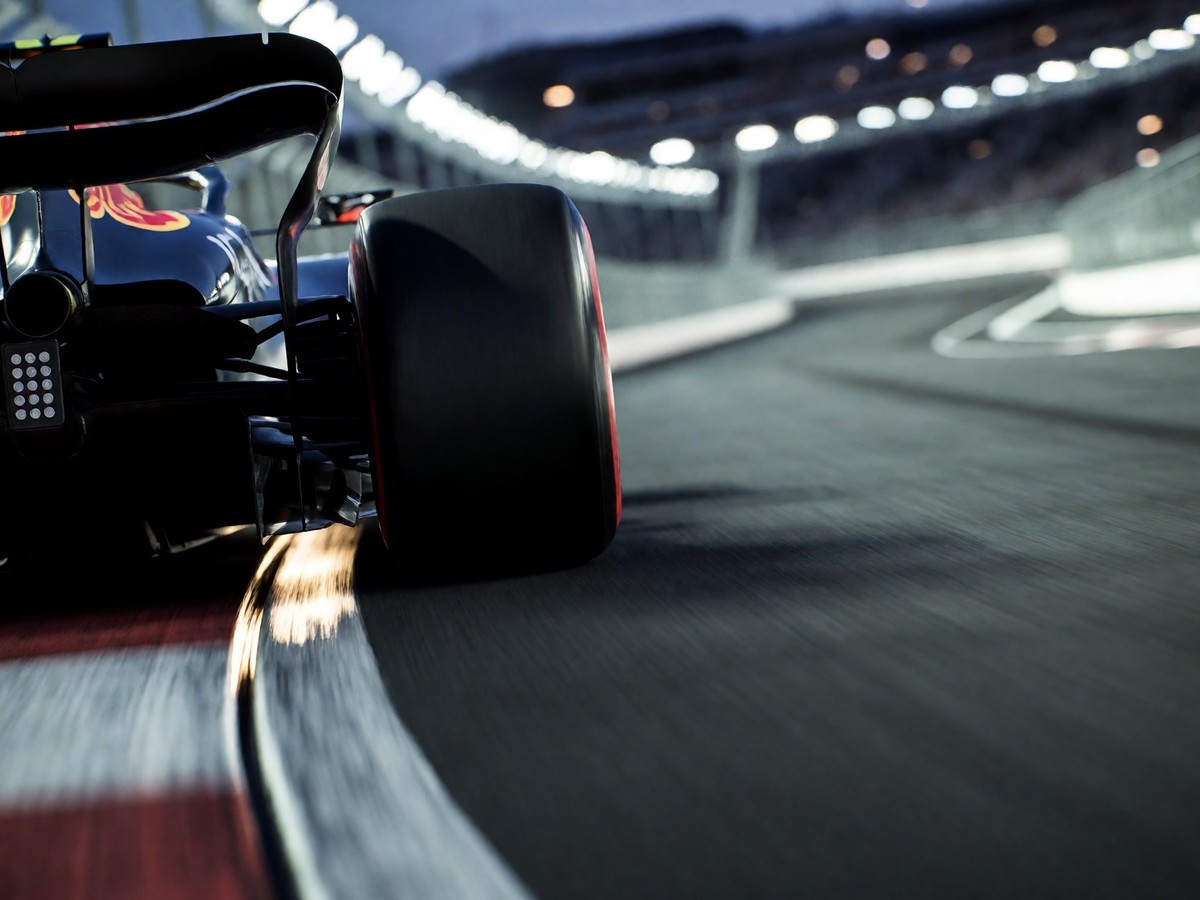
The FIA regulations require the underfloor skid block to maintain specific dimensions to ensure cars do not run too low. The regulations state that the skid block must measure 10mm at the start of the Grand Prix. By the end of the race, the thickness must be no more than 9mm. This 1mm margin allows for predictable wear while preventing cars from scraping the ground too aggressively. I find this thin buffer creates a constant technical struggle for every team on the grid.
| Specification | Requirement/Value |
|---|---|
| Plank thickness (Start) | 10mm |
| Plank thickness (End) | 9mm |
| Maximum wear margin | 1mm |
| Norris plank wear | 0.12mm under limit |
| Piastri plank wear | 0.26mm under limit |
| 2026 Power Split | 50/50 |
The regulations aim to control ride height and prevent teams from gaining an aerodynamic advantage by running the floor too close to the asphalt. If a car violates these limits, the stewards can disqualify the driver. This rule focuses on the physical wear of the material. When the material wears down too much, it indicates the car has been too low.
McLaren’s Las Vegas disqualifications
I find the McLaren situation in Las Vegas particularly telling regarding how strictly the FIA monitors these limits. Both Oscar Piastri and Lando Norris faced disqualification because their cars ran at an illegal ride height. The FIA measured this via the wear on the underfloor plank. The margins exceeded the allowed limits significantly. Norris had his plank sit 0.12mm under the limit on the right hand side, which represents more than 10% of the 1mm margin. Piastri faced an even larger discrepancy, as his plank was 0.26mm under the limit, which is more than 25% of the allowance.
McLaren’s team principal, Andrea Stella, claimed the cars experienced unexpected, high levels of porpoising during the race. He said this porpoising led to excessive contact with the ground. However, radio messages show the team knew of the issue early in the event. On lap five, Will Joseph told Norris to suggest more lift in turn 6 and turn 11. This contradicts the idea that the problem only became apparent due to racing conditions. The team attempted to manage the situation by giving the driver specific instructions. They suggested the driver use more lift in various corners to mitigate the contact.
Ferrari’s battle with floor wear
Ferrari also struggles with this issue due to their specific suspension design. Lewis Hamilton previously faced disqualification in the Chinese Grand Prix after he won the Sprint the day before. Charles Leclerc faced a different management problem in Hungary. The team increased tyre pressures to raise the car’s height to protect the skid block. This change prevented excessive plank wear, but it cost Leclerc almost a second a lap because his grip levels fell.
Leclerc expressed his frustration immediately after the change. He told his race engineer that the car was undrivable and that the team had caused him to lose all competitiveness. He insisted he would have found a different way to manage the issues. I see this as a direct consequence of the tension between aerodynamic performance and the physical limits of the plank. You already know that ride height is the constant battle for every team on the grid.
Managing ride height with LICO
Drivers use a technique called lift and coast, or LICO, to manage the plank. This method involves lifting from the throttle earlier than the standard braking point. It also involves trailing the brakes gently into the corner. This prevents the car from diving at the front and scraping the ground. I observe that teams use these instructions to protect the car from the FIA’s scrutiny.
During the Las Vegas Grand Prix, the instructions to Lando Norris were frequent and urgent. On lap five, Will Joseph told him to suggest more lift in turn 6 and turn 11. Later, Joseph told him to do a small lift in turn 17, turn 5, and turn 12. On lap 27, the instructions continued to emphasize the need for lift to protect the fronts. Oscar Piastri also received instructions from Tom Stollard. Stollard told him to phase out the lift in turn 10 but to keep the lift in turn 11. These maneuvers are intended to prevent the nose from diving too low.
The 2026 power unit split
The 2026 regulations change the power balance significantly. The cars aim for a 50/50 power split between the internal combustion engine and electrical energy. This decision creates a massive technical hurdle for engineers. The fundamental flaw in this plan remains the difficulty of harvesting enough electrical energy. Because the regulations ban the most effective ways to harvest energy, such as front regen brakes and the MGU-H, teams must find new ways to bridge the gap.
The ban on the MGU-H is a major shift. Teams have 11 years of experience with that technology, but they must now design for a different reality. This means a lot of energy will leave the exhaust or be lost to the front brakes. Each car will only be able to make use of a small percentage of the chemical energy in its fuel. I think the current megajoule-per-lap ceiling is a strange restriction. If a team finds a way to get more energy, they should be allowed to use it.
Energy harvesting constraints in 2026
The 2026 energy constraints will reshape how teams approach engine and electrical development. The megajoule-per-lap ceiling dictates the maximum electrical output. This limit makes the 50/50 power split very difficult to achieve. Since teams cannot use the MGU-H to harvest energy from the exhaust, they must rely on other methods. This changes the way they manage the power delivery throughout a lap.
The loss of front regen brakes also impacts the car’s balance. The new regulations want to ensure the electrical and combustion power are balanced, but the energy harvested will stay lower than what the FIA wants. This discrepancy between the intended split and the actual energy available will define the 2026 season. Teams will spend hundreds of millions to find an advantage within these narrow constraints.
Aerodynamic trends for the new era
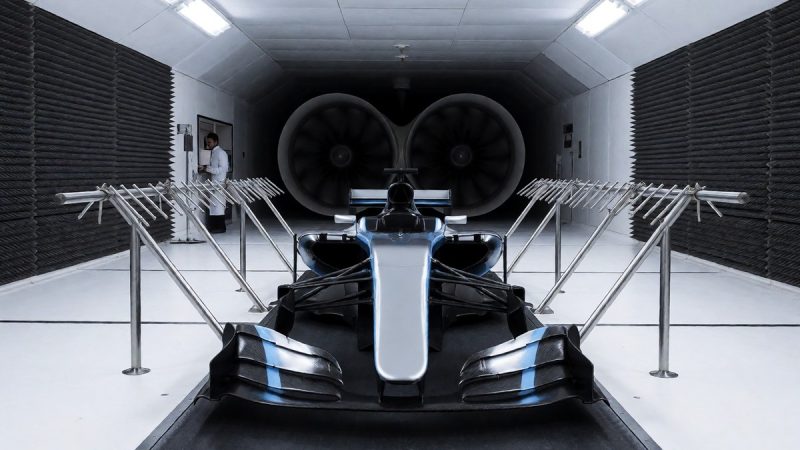
The 2026 cars introduce active aero to help manage the complex balance between downforce and drag. Mercedes has already explored adjusting elements of the front wing to adapt to different conditions. The floor design also sees major changes. Engineers are focusing on bargeboard details at the front of the floor and sidepod designs.
Some cars utilize slots at the back of the floor that lead into the diffuser. These slots help manage the airflow and the pressure distribution. The relationship between the floor and the ground remains the most important factor in performance. Will the 2026 floor designs solve the porpoising issues that plagued teams in previous years? The designs will need to be extremely precise to avoid the same disqualifications seen in Las Vegas.
The 2026 technical landscape
The 2026 regulations represent a massive shift in how teams build their cars. The combination of active aero, the 50/50 power split, and the energy harvesting limits creates a new set of challenges. Teams must balance the need for downforce with the need to avoid excessive plank wear. They must also manage energy without the help of the MGU-H or front regen brakes.
I see the grid split between those who can master the energy harvest and those who cannot. The technical complexity of the floor and the power unit will decide the championship. The 2026 cars will be a test of how well engineers can work within these tight regulatory bounds. Every millimeter of the underfloor and every megajoule of energy matters.