FIA 2026 tire pressure sensor monitoring and regulatory integration
FIA 2026 regulations mandate advanced sensor integration to manage tire performance and safety through real-time telemetry. Pirelli uses Cyber Tyre technology to transmit critical data on pressure, temperature, and wear to optimize racing strategies.

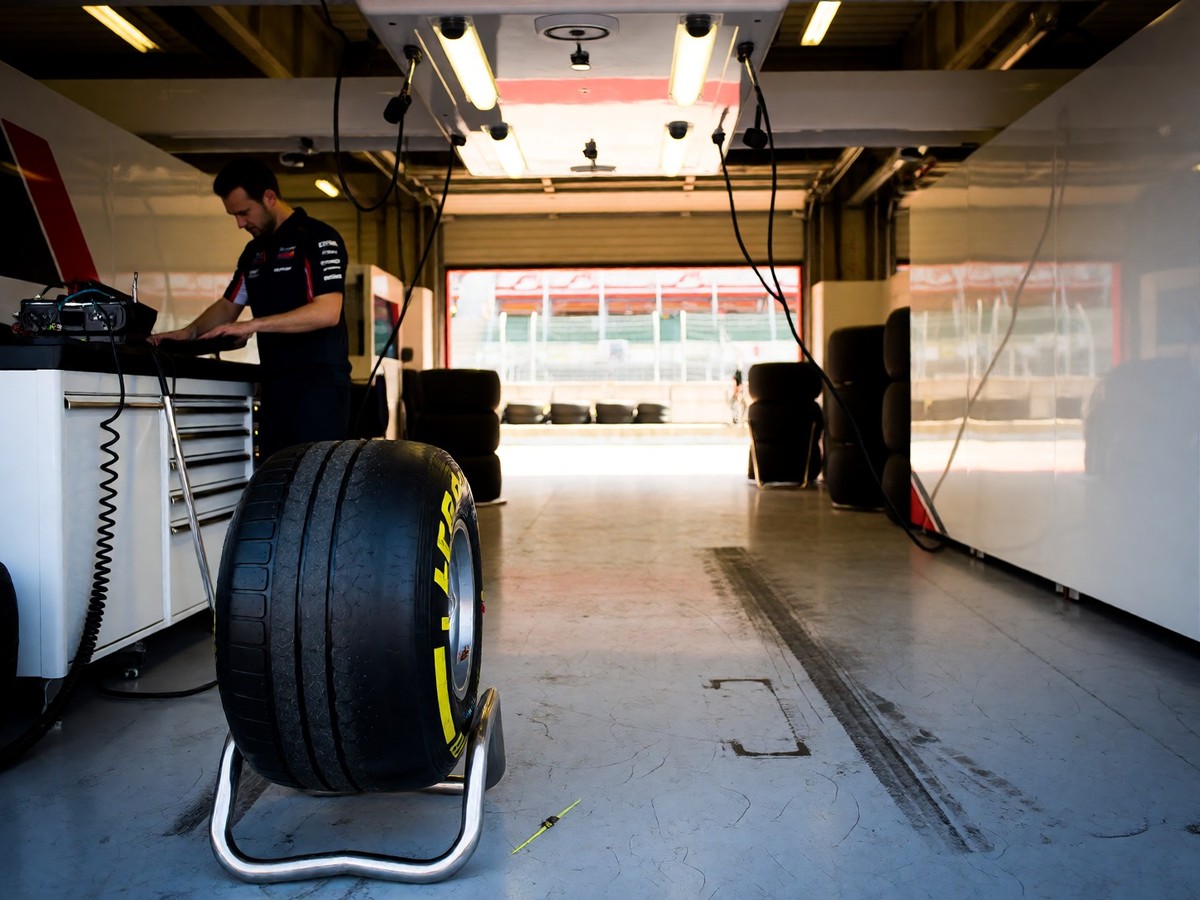
The FIA 2026 regulations mandate advanced sensor integration to manage tire performance and safety. Teams rely on sensors in all four tires to measure rubber temperature, air temperature, and air pressure. These sensors help teams keep tires at the perfect temperature to prevent grip loss or rapid degradation. Monitoring these variables allows for better control over car performance under extreme conditions. The FIA developed these regulations through a partnership with teams, OEMs, Power Unit Manufacturers, and FOM. The final proposals resulted from consultations between the FIA, technical representatives, and F1 drivers based on data from the first three events of the season.
Sensor technology and mechanics
Technicians use different sensor types to manage tire pressure and temperature. Direct TPMS uses a physical sensor inside the tire, typically attached to the valve stem or banded to the wheel rim. Each sensor contains a pressure transducer, a temperature sensor, a battery, and a radio transmitter. This sensor broadcasts data to a receiver module in the vehicle. Indirect TPMS does not use dedicated sensors. This system uses ABS wheel speed sensors to detect rotational speed differences caused by underinflated tires. You already know that real-time pressure data changes how teams plan their pit stops.
| Feature | Direct TPMS | Indirect TPMS |
|---|---|---|
| Hardware | Physical sensor in tire | ABS wheel speed sensors |
| Data Source | Pressure transducer | Rotational speed differences |
| Installation | Requires sensor programming | Requires system reset |
Direct TPMS sensors function at specific radio frequencies. North American domestic and Asian vehicles predominantly use 315 MHz, while European vehicles typically use 433 MHz. Technicians use tools like the Autel MX-Sensor to handle these frequencies.
Real-time telemetry and Cyber Tyre
Pirelli uses Cyber Tyre technology to embed sensors in tires to transmit real-time data on pressure, temperature, and wear. This real-time telemetry facilitates data-driven decision-making for racing strategies and safety. The Motor Racing Telematics (MRT) market uses sensor networks and vehicle-to-infrastructure communication to optimize racing strategies. This market integrates 5G and edge computing to enable ultra-low latency data exchange. The integration of artificial intelligence and machine learning into telematics platforms transforms data into actionable insights. Because the FIA and Pirelli must communicate the remaining available laps for each set of used tires to the teams, engineers must constantly monitor how much life remains in the current compounds.
Installation and programming procedures
Technicians must follow specific steps to replace or install TPMS sensors. First, the technician identifies the vehicle year, make, and model. Second, the technician reads the existing sensors using a tool to check the sensor ID, pressure, temperature, battery status, and frequency. Third, the technician programs the new sensor. The tool provides three options: Auto Create, Copy by Activation, and Copy by Input. Fourth, the technician installs the sensor. Fifth, the technician remounts the tire. Sixth, the technician inflates the tire to spec and seats the bead. Seventh, the technician installs the wheel back onto the vehicle and torques the lug nuts to the manufacturer’s specification, typically around 4 Nm. Finally, the technician performs the relearn procedure.
If the technician does not clone the old sensor ID, the vehicle must learn the new sensor through a stationary, active, or auto relearn procedure. Stationary relearn uses the OBD-II port to write sensor IDs directly to the TPMS module. Active relearn requires the technician to trigger each sensor in sequence. Auto relearn allows the vehicle to detect sensors after driving for 10 to 20 minutes at speeds above 15 to 25 mph. For professional shops, the Autel TS608 provides full functionality, while the TS508 offers a compact option for mobile service.
Aerodynamic and weight specifications
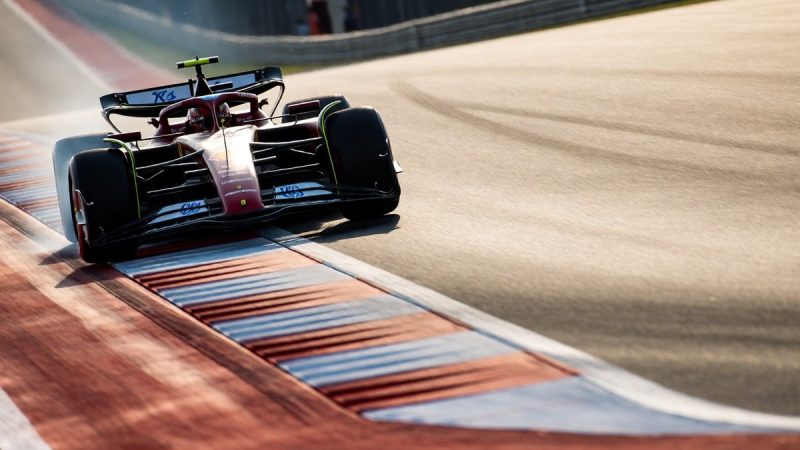
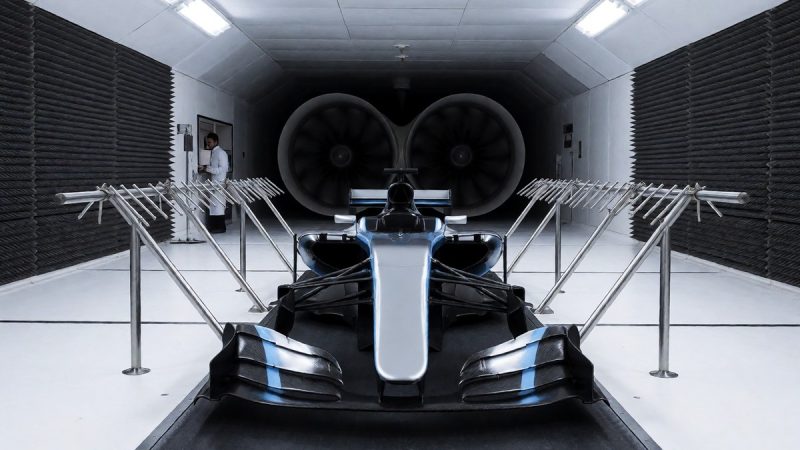
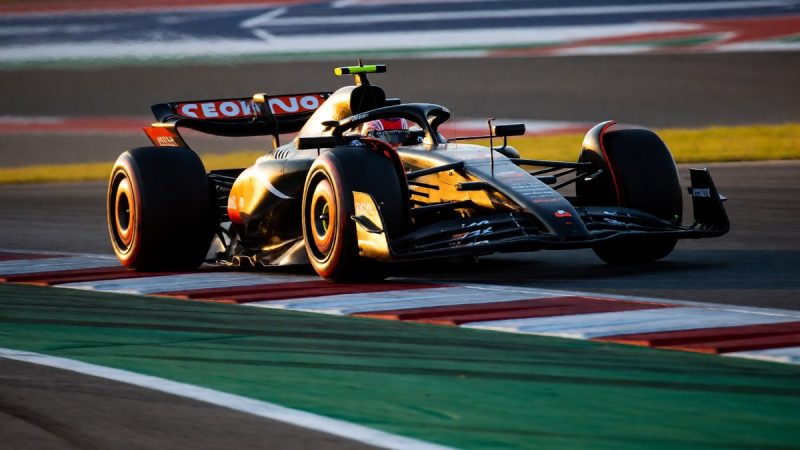
The 2026 regulations produce smaller and lighter cars. The minimum weight of the cars drops by 30 kilograms. The wheelbase decreases by 200 millimeters and the width decreases by 100 millimeters. These changes aim to create a more nimble car to address driver concerns about current car dimensions. The FIA predicts a 30% reduction in downforce and a 55% reduction in drag. Drivers switch between Z-mode for downforce and X-mode for low drag via active aerodynamics. The new rear wings have three elements that open to shed drag, while the front wing has a two-element active flap to balance the car. The regulations also include a new two-stage crash structure to protect the car from a second hit.
Pirelli and the United States market
Pirelli faces potential exclusion from the United States market due to its ownership structure. Sinochem Holdings holds a 37% stake in Pirelli. Upcoming American regulations, effective as early as March 2026, restrict hardware and software for connected vehicles from certain countries. These rules target technologies like Cyber Tyre that transmit real-time data. Pirelli executives, including Chairman Marco Tronchetti Provera, stated that the Sinochem stake hindered expansion plans and forced investments to remain on hold since April 2025, which complicates their current position in the American market. The Italian government considers options to slash Sinochem’s stake to 10% or freeze its voting rights. Will the US market exclude Pirelli because of its Sinochem ties?
Tire life and wet weather safety
The FIA imposes a mandatory limit of 18 laps of total tire life per set. This rule applies to all compounds. Drivers must change tires when they reach this limit. During the Qatar Grand Prix, Pirelli engineers lacked sufficient data to analyze tire impact because frequent safety car interventions occurred. Any car that exceeds the lifespan limit of tire rotations faces reports to the sports commissioners for driving under dangerous conditions.
For wet conditions, the FIA increases tire blanket temperatures for intermediate tires to improve initial grip. Maximum ERS deployment decreases in wet conditions to limit torque and improve car control. The FIA also simplified the rear light systems to provide clearer visual cues for following drivers in poor conditions. A new low power start detection system identifies cars with low acceleration after clutch release. This system triggers automatic MGU-K deployment to ensure minimum acceleration. An associated visual warning system uses flashing lights on the affected cars to alert following drivers.
Power unit and energy management
The 2026 power units rely heavily on electrical energy. The electrical side of the power unit deploys 475 bhp under acceleration. This replaces the 160 bhp found in current power units. To assist overtaking, F1 replaces DRS with manual override. This system gives a chasing car more electrical energy for a specific portion of the lap. The electrical deployment of the lead car tapers off at 180 mph and reaches zero at 220 mph. The chasing car overrides this drop-off to deploy full electrical power up to 209 mph.
The FIA reduced the maximum permitted recharge from 8MJ to 7MJ to reduce excessive harvesting. This change targets a maximum superclip duration of approximately 2 to 4 seconds per lap. Peak superclip power increased to 350 kW. MGU-K deployment remains at 350 kW in key acceleration zones but stays at 250 kW in other parts of the lap. These power unit changes work in tandem with the new aerodynamic rules to manage the reliance on electrical energy.