FIA 2026 rear wing and beam wing aerodynamic regulations
The 2026 FIA technical regulations eliminate the beam wing to reduce dirty air and target 90% downforce retention at 20 meters behind a lead car. New active aerodynamics and simplified wing designs aim to decrease drag by 55% while improving racing quality.


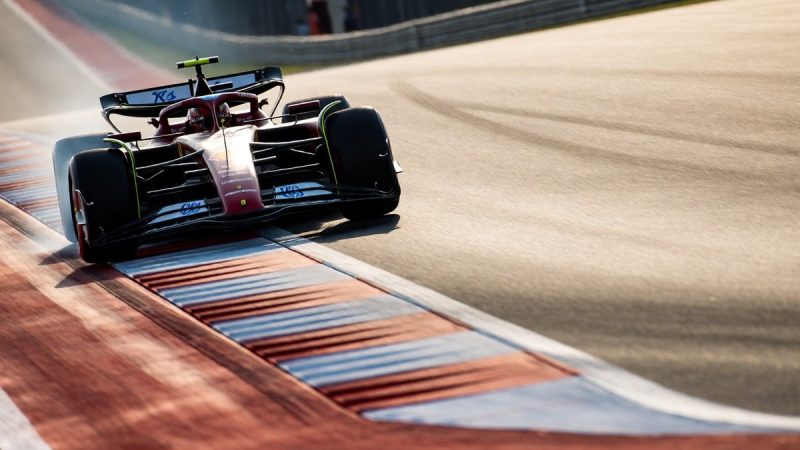
The 2026 technical regulations eliminate the beam wing, an aerodynamic component that previously sat below the exhaust. This component once provided teams a way to influence rear stability and diffuser airflow. Ferrari produced an exhaust-style wing that sits within the permitted volumes of the rear impact structure and the diffuser. The FIA and other teams accepted this design as a legal interpretation of the rules. Most teams lose the ability to use a beam wing to feed the diffuser or stabilize the rear assembly. Previously, beam wings functioned as elements bolted below the main rear wing. Ferrari’s innovation uses the exhaust to improve airflow around the entrance to the diffuser. This design stays within the legal volumes allowed in the regulations.
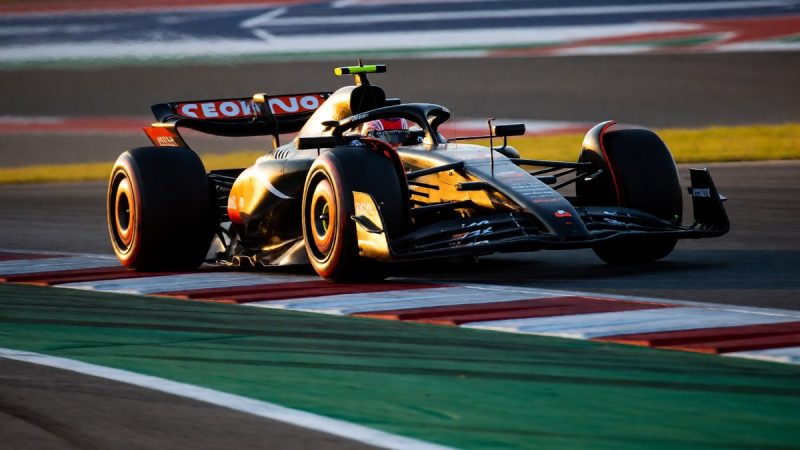
Active aerodynamics replaces the previous Drag Reduction System. Both the front and rear wings contain moveable elements that function like Venetian blinds. These components allow the car to change its aerodynamic profile during a lap. In Z-mode, the flaps stay closed to provide maximum downforce for cornering. Drivers switch to X-mode on designated straights to reduce drag. This mode opens the flaps to increase top speed. The front wing also contains two active flaps. These flaps move to trim the car and provide stability. The front wing is approximately 10mm smaller than in previous years. The rear wing consists of three elements.
Managing wake and outwash through simpler wings
The FIA aims to reduce the amount of dirty air behind the cars. The new regulations mandate simpler front wings and in-washing bargeboards to prevent outwash. Outwash occurs when aerodynamic surfaces push turbulent air away from the car. This turbulence makes following another vehicle difficult. The 2026 rules target a 90% downforce retention at 20 meters behind the lead car. This goal improves racing compared to the 70% retention seen as previous regulation cycles matured. The front wing endplate footplate generates a vortex that wraps around the tyre from the inboard side and pushes the low-energy tyre wake away to ensure the aerodynamic flow remains stable during high speed cornering. The size of the footplate has increased to roughly the width of the tyre.
The reduction in mass and dimensions changes how cars behave. The minimum weight drops from 798kg or 800kg to 768kg. This 30kg reduction helps improve agility. The wheelbase shrinks from 3600mm to 3400mm. This 200mm reduction improves responsiveness in corners. The car width decreases by 100mm to 1900mm. The floor width drops by 150mm. Tyres also get narrower. The front tyre width reduces by 25mm and the rear by 30mm. These changes aim for a 30% reduction in downforce and a 55% reduction in drag.
| Specification | Value / Change |
|---|---|
| Minimum Car Weight | 768 kg |
| Wheelbase | 3400 mm |
| Car Width | 1900 mm |
| Floor Width Reduction | 150 mm |
| Front Tyre Width Reduction | 25 mm |
| Rear Tyre Width Reduction | 30 mm |
| Downforce Reduction | 30% |
| Drag Reduction | 55% |
The transition to flat floors and increased ride height
The removal of ground-effect Venturi tunnels changes how cars produce grip. A flatter floor design with a larger diffuser replaces the previous tunnels. This change reduces downforce by 15% to 30%. The floor must consist of a simply connected volume. The diffuser strakes must fit inside a straight box that is 40mm wide. The plank features three 34mm diameter holes at Y=0 for measuring wear. The positions of these holes follow specific coordinates: XF=500, -800 <= XC <= -600, and 470 <= XPU <= 630. The center of the rearmost hole must lie on or ahead of XR=-500. The higher ride height requirement changes how teams set up the car. This change makes high-rake designs viable again.
The front suspension must consist of two pairs of wishbones, with each pair linked by two connecting members. The fairing for each member must be symmetrical and no longer than 100mm. The length to height ratio of these fairings must be less than 3.5:1. High aspect ratio fairings might cause flow separation, while low aspect ratio fairings reduce drag. For front suspension fairings, the Angle of Attack must be between 10 degrees and 0 degrees. For rear suspension fairings, the Angle of Attack must be between 10 degrees and -10 degrees. The front brake disc diameter measures 345mm and the rear disc diameter measures 280mm. Both discs have a thickness of 34mm.
Aerodynamics at high speed tracks like Monza
High-speed circuits like Monza require specific aerodynamic configurations. Drivers use low downforce settings to minimize drag on long straights. The active aero allows for smaller wing angles to aid this process. The reduction in overall size and weight helps the car remain agile. The removal of the beam wing and ground-effect tunnels means the car relies more on the active wings and the large diffuser. How will teams balance the need for cornering grip with the requirement for straight-line speed at Monza?
The reduction in dimension and weight affects how cars interact with the air. The narrower tyres and shorter wheelbase mean less air resistance. The 30kg weight reduction means the car has less inertia. This helps the car rotate in corners but changes the stability on straights. The FIA wants to reduce the aerodynamic influence of the front wheels. They achieve this through the new endplate and bargeboard designs.
Energy management and MGU-K deployment constraints
The power unit relies heavily on the MGU-K, which provides up to 350kW of electric power. Drivers must manage a 4MJ battery capacity. This management becomes critical during the race to avoid MGU-K clipping. Clipping occurs when the battery depletes, causing a sudden loss of power. To prevent this, drivers can use different recharge modes while braking or lifting off the throttle. The FIA limits the maximum energy harvest to 7MJ per lap to encourage consistent driving. The MGU-K deployment stays at 350kW in acceleration zones but drops to 250kW in other parts of the lap. This reduction limits speed differentials in non-passing zones.
The shift to a 50/50 power split between internal combustion and electric power changes the driving style. Drivers must manage energy to ensure they have enough for overtaking. The superclipping process uses the MGU-K to recharge the battery while the driver is at full throttle. The FIA increased the peak superclip power from 250kW to 350kW. This change reduces the duration of superclipping to 2 to 4 seconds per lap. The 4MJ usable battery capacity remains a limiting factor for all teams.
Overtaking tools and driver strategic workload
Overtaking depends on Overtake Mode, which gives drivers access to extra electrical energy. This mode works when a driver is within one second of the car ahead. Drivers also use a Boost button to access maximum power from the engine and battery. The MGU-K deployment stays at 350kW in acceleration zones but drops to 250kW in other parts of the lap. You should know that these tools require intense mental focus to use effectively. Drivers coordinate with race engineers to select battery recharge modes. They use braking and lifting off the throttle to recover energy.
Drivers face a high cognitive demand due to the new energy systems. They must decide when to use the Boost button and when to trigger Overtake Mode. The deployment of MGU-K is geographically controlled on the track. Drivers receive 350kW in key acceleration and overtaking zones. They receive 250kW in other parts of the lap. This distribution helps maintain fluid racing while preventing massive speed differences in non-overtaking areas. The energy counter resets at the start of the formation lap to ensure fairness.
Safety improvements and structural requirements
The 2026 cars feature enhanced safety structures. The roll hoop must withstand 20% more load than previous years, rising from 16g to 20g. The front impact structure now uses a two-stage design. This design protects the driver during secondary impacts after an initial crash. The driver survival cell undergoes more rigorous testing. Anti-intrusion panels on the cockpit sides also receive reinforcement. These changes aim to protect the driver during high-speed accidents.
The FIA has also simplified the rear light systems. This change provides clearer and more consistent visual cues to drivers in poor conditions. The light system communicates energy deployment to following drivers. This prevents drivers from being surprised when a car ahead slows down. The side of the mirrors also includes mandatory lights for better visibility in low-light conditions. These safety measures aim to improve reaction times during races in heavy spray or low visibility.