Alpine sidepod inlets versus Aston Martin louvre extraction
Alpine relies on increased sidepod volume to manage thermal loads, while Aston Martin utilizes high-speed louvre extraction and a duckbill inlet. These divergent cooling philosophies face extreme testing at high altitude in Mexico City due to low air density.

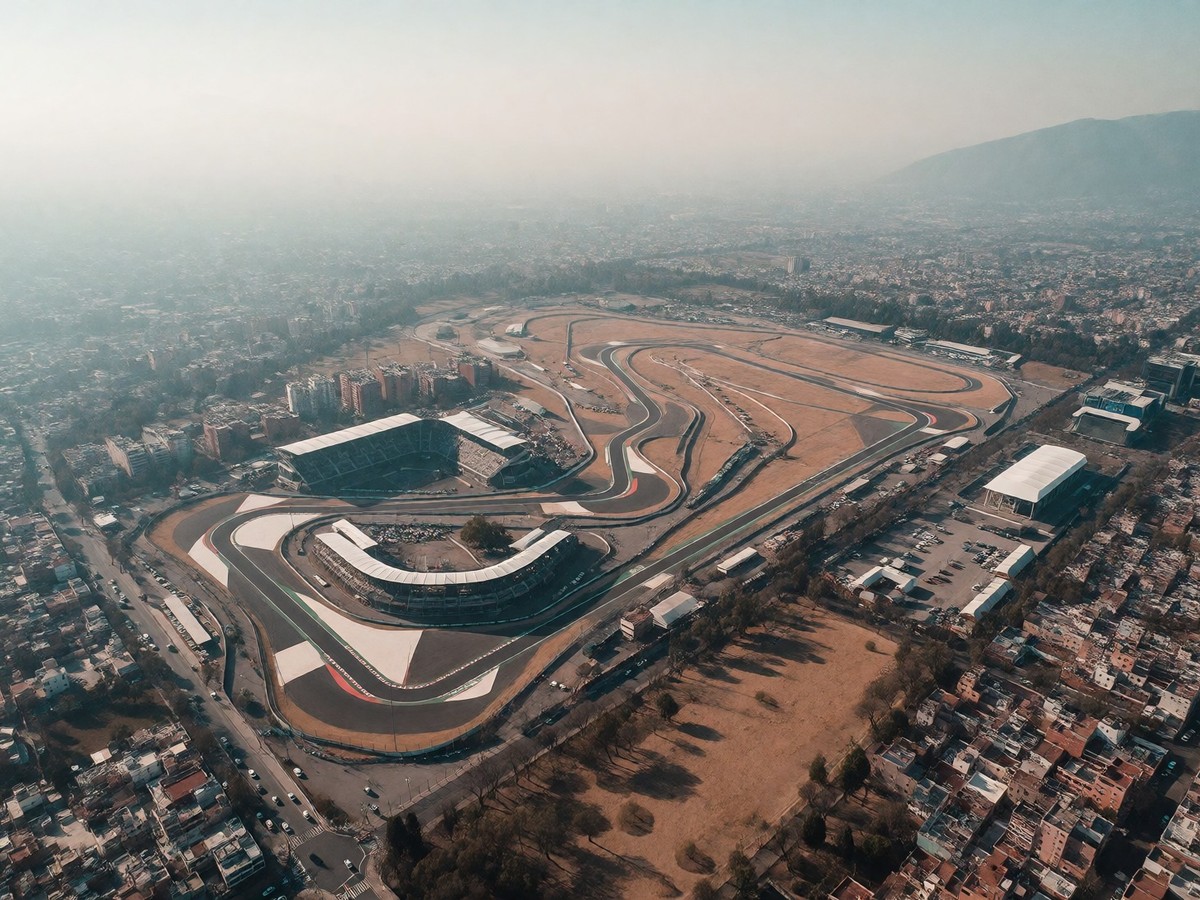
The 2026 power unit regulations impose extreme thermal demands on Formula 1 teams. The mandatory 50/50 power split between the Internal Combustion Engine and the Energy Recovery System shifts the heat rejection responsibility. The electrical contribution rises to 350 kW, which puts intense pressure on the battery and Motor Generator Unit systems. While the Internal Combustion Engine output drops to approximately 400 kW, the heat rejection balance shifts toward the electrical components. High altitude environments like Mexico City create additional complications because the low air density decreases cooling effectiveness. Engineers must balance the mass flow through cooling ducts against the aerodynamic drag of the car.
Alpine A526 architecture and performance
The Alpine A526 relies on a Mercedes-AMG W17 E Performance 1.6 L V6 turbo power unit. This power unit provided big gains for the team during the development phase. The car weighs 770 kg including the driver, coolant, and oil. Pierre Gasly and Franco Colapinto have completed 16 races in the 2026 season. They have collected 68 points and secured one pole position. The team sits in 6th place in the Constructors’ Championship. This result follows a difficult 2025 campaign where the team finished 10th and last in the standings.
The chassis consists of a carbon fibre composite with a survival cell and honeycomb structure. The front suspension uses a double wishbone pull-rod layout. The rear suspension uses a double wishbone push-rod setup. Drivers manage complex energy management modes including boost, recharge, and overtake. These modes represent a learning curve for the drivers as they navigate the new regulations. The team focused on the 2026 rules reset earlier than many rivals to build a more competitive package.
Sidepod volume and Alpine inlet design
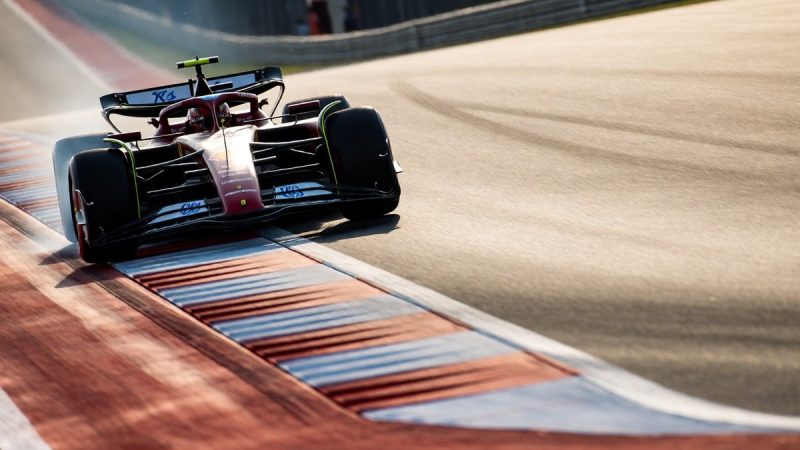
The Alpine A526 uses wider and taller sidepod bodywork compared to many of its competitors. This geometry provides more internal volume for the radiator cooling cores. The upper surface of the sidepod includes a waterslide component. Unlike other designs where the sidepod reaches the floor, the Alpine bodywork shows a drop off at the rear. This design choice aims to manage the airflow around the rear of the car.
The Alpine A526 sidepod architecture provides significant volume for radiator cooling cores, but the abrupt drop off at the rear of the sidepod might reduce the efficiency of the air exiting the cooling pack in the low density atmosphere of Mexico City. The team relies on this increased volume to capture enough mass flow to satisfy the cooling requirements of the Mercedes power unit. The wider bodywork attempts to maximize the available space for heat exchangers within the tight aerodynamic constraints of the new regulations.
Aston Martin AMR26 inlet and headrest aero
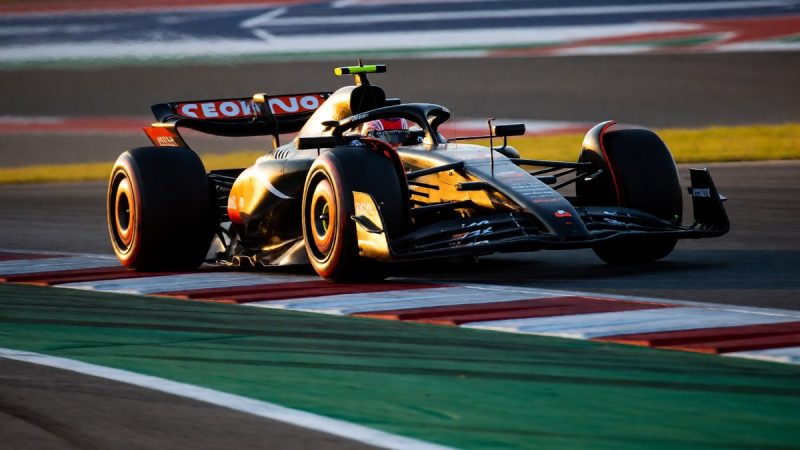
Adrian Newey designed the AMR26, which utilizes a duckbill inlet in the sidepod area. This inlet sits in the area with the least negative effect on the overall sidepod flow structure. A vertical fin sits beside the start of the headrest to manage the airflow. This fin contains and realigns the air that the leading edge forces around the headrest. This arrangement reduces the negative effect of the airflow structure on the driver’s headrest.
The sidepod cross-section of the AMR26 remains reduced to minimize aerodynamic drag. The car uses a design that focuses on managing the airflow around the bluff leading edge. The vertical fin works to keep the airflow tidy as it moves toward the rear of the car. This strategy emphasizes aerodynamic efficiency over pure cooling volume. The team seeks to maintain a clean flow over the engine cover to improve the performance of the rear aerodynamic elements.
Extraction strategies at Aston Martin
Aston Martin employs louvre sections in the bargeboard area to draw airflow from the inside to the outside. These louvres occupy a vertical surface that starts wide at the front and narrows toward the rear. The bargeboard louvres prevent the generation of excessive outwash. The car also has louvres in the floor section in front of the rear tyre. These floor louvres connect the airflow on top of the floor with the outward tyre squirt. This interaction helps reduce the amount of tyre squirt that moves inboard.
The engine cover cooling outlet on the Aston Martin is large. This outlet sits further forward than the cannon outlets used by most other teams. The forward position of the outlet allows hot cooling airflow more time to mix with the free-stream airflow before it reaches the rear wing. This placement prevents hot air from disrupting the rear wing performance. The engine cover volume above the engine is small, which keeps the center of gravity low.
Front end aerodynamics and suspension
The front wing of the Aston Martin AMR26 uses a unique mounting strategy. The nose-to-front-wing hangers attach to the second element of the front wing. This mounting method keeps the structural part of the nose shorter. The forward element of the wing is rigid because it attaches to the second element via specific hangers. The third element of the wing attaches to the second element with a pivot. This pivot allows the third element to back off when the car activates straight line mode.
The front suspension of the AMR26 is a double-wishbone system with pushrod-operated inboard springing and damping. The inboard pickup for the top wishbone rearward leg is lower and further rearward than many other cars. This layout affects the caster as the car speed changes. Increased caster at speed provides more straightline stability. Decreased caster at lower speeds reduces the steering load for corners. You already know that front-end stability dictates how effectively a car can plant its tires in high-speed transitions.
Comparing cooling efficiency at high altitude
The low air density in Mexico City creates a thermal challenge that distinguishes these two philosophies. Alpine relies on the physical volume of its sidepods to capture mass flow. The wider and taller bodywork provides a larger area for the radiators to reject heat. This approach works well when air density is sufficient to fill the inlets. However, the drop off at the rear of the Alpine sidepod might limit how effectively the hot air exits the car. If the air cannot exit the cooling pack efficiently, the pressure builds up inside the sidepod.
Aston Martin uses a strategy of high-speed extraction. The duckbill inlet and the bargeboard louvres focus on directing air precisely. The large, forward engine cover outlet provides a way to vent heat away from the rear wing. This prevents the hot air from interfering with the rear aerodynamic stability. The louvre extraction in the floor and bargeboard areas helps manage the pressure around the rear of the car. This strategy relies on moving air out of the car rather than simply capturing more of it.
The Alpine approach prioritizes the amount of air the cooling system can process. The Aston Martin approach prioritizes the direction and timing of the air exit. In the thin air of Mexico City, the Alpine’s larger volume might provide a better buffer against temperature spikes. The Aston Martin’s extraction strategy might offer better aerodynamic consistency if the thermal management can keep up with the engine’s needs. Will the Alpine’s increased volume compensate for the loss of air density at high altitude?
Technical specifications comparison
| Feature | Alpine A526 | Aston Martin AMR26 |
|---|---|---|
| Power Unit | Mercedes-AMG W17 | Mercedes-AMG |
| Chassis | Carbon fibre composite | Carbon fibre composite |
| Weight | 770 kg | Not specified |
| Front Suspension | Double wishbone pull-rod | Double wishbone pushrod |
| Rear Suspension | Double wishbone push-rod | Double wishbone push-rod |
| Drivers | Pierre Gasly, Franco Colapinto | Lance Stroll |
| WCC Position | 6th | Not specified |
The technical differences between the two cars reflect different interpretations of the 2026 regulations. Alpine focuses on the volume of the sidepod to manage the heat of the Mercedes power unit. Aston Martin focuses on the management of airflow through the duckbill inlet and the forward engine cover outlet. The Alpine design is wider and taller, while the Aston Martin design is more compact and focused on extraction. These divergent paths will determine which team manages the thermal loads of the 2026 season more effectively.