Lewis Hamilton debunks Ferrari 2026 power unit deployment myths
Lewis Hamilton reports a 30 horsepower deficit compared to the Mercedes power unit for the 2026 season. He explains how the new 50/50 power split between the engine and electric components requires drivers to master energy management and software deployment.

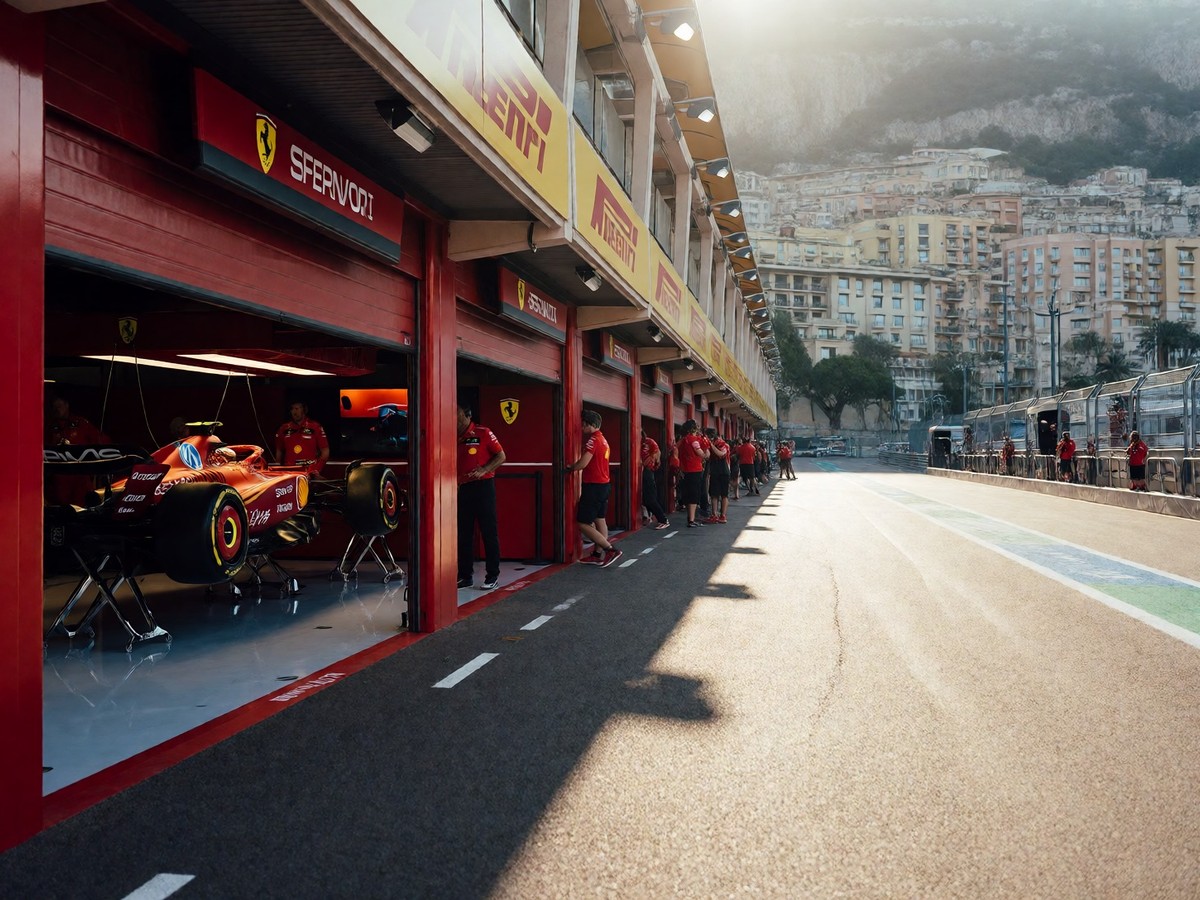
Lewis Hamilton reports a 30 horsepower deficit compared to the Mercedes power unit. He notes that while the SF-26 competes with the Mercedes W17 on corners, the Mercedes team flies past them on the straights. Hamilton describes the difference in power as night and day. He expects Ferrari to close this gap by working on the engine and straight-line aerodynamic efficiency. The current SF-26 chassis handles corners well, but it lacks the engine output to defend against Mercedes.
The 50/50 power split reality
The 2026 regulations change the power unit balance from an 80/20 split favoring the internal combustion engine to a 50/50 split. The electric component delivers 350 kW, which triples the previous 120 kW output. This shift means the internal combustion engine and the electric side provide roughly 500 horsepower each. Hamilton explains that drivers must learn to utilize the power per straight while managing battery recharge. He says the period requires drivers to be the most efficient they have ever been.
Drivers manage energy deployment through steering-wheel controls, though the pit wall has limited direct instructions due to regulations. The MGU-K serves as the sole source of energy recovery because the regulations eliminate the MGU-H. This change places more importance on braking efficiency. The battery cannot sustain electric deployment over a full lap on certain circuits. On some long straights, the electrical boost runs out before the end of the stretch.
| Component | 2025 Output | 2026 Output |
|---|---|---|
| Electric Power (MGU-K) | 120 kW | 350 kW |
| Power Split Ratio | 80% ICE / 20% Electric | 50% ICE / 50% Electric |
| Total Power Target | ~1000+ hp | ~1000+ hp |
Battery deployment and the lift and coast myth
Some observers expect drivers to use lift and coast tactics to save energy, but Enrico Gualtieri, Ferrari’s power unit technical director, does not expect races to be dominated by this. He says the decisive factor for performance lies in the software. The management systems governing energy deployment and recovery will differentiate the teams. Drivers will use different modes to balance outright pace and battery management.
The regulations include a "super clipping" feature where the MGU-K generates power while the driver remains at full throttle. This feature helps drivers race without slowing down to recharge. It also improves fuel economy. Drivers can also use a "Boost Button" to trigger changes in power settings. This allows them to return to maximum power or a specific profile configured by the team. The boost helps drivers defend or attack depending on how much charge they saved.
The compression ratio controversy
Rumours suggest Mercedes and Red Bull found ways to bypass compression ratio limits during testing. The regulations prohibit combustion at a ratio above 16 to 1. Some manufacturers allegedly use technology to reach a higher ratio while the car runs on track, even if they pass stationary tests. Cadillac chief Graeme Lowdon states that Ferrari has completely followed the rules regarding this limit. He says Ferrari does not use technology to allow a higher compression ratio when the car is running.
Lowdon expresses confidence in the Ferrari power unit because it remains fully legal. He notes that Ferrari, along with Audi and Honda, did not build in the technology to exceed the compression ratio during racing. This provides Cadillac with confidence in their engine supply. Red Bull engine chief Ben Hodgkinson calls these suggestions "just noise." He claims that every manufacturer takes their development to the limit allowed by the regulations.
Reliability struggles in dyno testing
Reliability issues emerged across the grid during dyno testing for the 2026 power units. Many of these problems stem from the move to 100 per cent sustainable fuels. Teams push to optimize combustion while trying to reduce weight. The minimum car weight drops from 798 kg to 768 kg in 2026. Ferrari engineers work to fix reliability issues that emerged during the development of the 2026 engine.
The original power unit project at Ferrari, developed under Wolf Zimmermann, faced failures due to inaccurate estimates regarding combustion efficiency and degradation. This caused reliability problems during dyno testing. Ferrari prioritized reliability at the start of the 2026 season, which resulted in a power unit with no meaningful development potential. This engine served as a backup plan to comply with new fuel requirements. Hamilton says the reliability of the team helps him, but the lack of power makes racing against Mercedes tough.
The ADUO upgrade plan
Ferrari intends to address the power deficit through the ADUO-sanctioned engine upgrades. Hamilton and Charles Leclerc wait for these upgrades, which arrive after the Belgian Grand Prix. Engineers design modifications to the combustion chamber to improve performance at higher revolutions. They also look to modify the turbo by increasing the number of vanes and the angle on the impeller.
The target for these upgrades is to halve the deficit to Mercedes through the ADUO system. This development aims to help the car lose less speed on the straights. Ferrari’s SF-26 already has high aerodynamic efficiency. The team developed the chassis and aerodynamics in alignment with the power unit concept. If they unlock more power, the car can better use its cornering strengths.
Driver adaptation and efficiency
Hamilton describes the 2026 regulation shift as a "massive challenge" for every driver. He says the change in power unit and aerodynamics requires a different approach to racing. Drivers must understand how to utilize power per straight and how to recover the most energy. This requires using all tools in a driver’s armoury, including fuel saving and grip management.
The software handles most energy harvesting, but drivers can override automatics. One mode is lift-off regen, which allows the driver to recharge when they lift off the throttle. Using this mode disables the active aero devices on the car. This differs from super clipping, where the driver stays at full throttle and the active aero remains open. Hamilton says engineers must work hard to help drivers extract the full potential of the car.
Mercedes dominance and development leads
Mercedes remains the benchmark in 2026. Andrea Kimi Antonelli clinched a dominant fifth win in a row at the Monaco Grand Prix. Hamilton finished second in that race, but he could not catch Antonelli. Hamilton says the Mercedes performance is "next level" and provides a clear idea of where Ferrari needs to improve. He notes that Mercedes is clearly above Ferrari in terms of downforce and power.
Speculation suggests Mercedes started developing their power unit before its rivals. This lead in development may explain the power advantage on straights. Mercedes supplies engines to Williams, Alpine, McLaren, and the works Mercedes team. This gives them more data and feedback than other manufacturers. Ferrari supplies the works Ferrari team, Haas, and Cadillac.
| Driver | 2026 Championship Position | Points |
|---|---|---|
| Andrea Kimi Antonelli | 1st | 302 |
| George Russell | 2nd | 236 |
| Lewis Hamilton | 3rd | 199 |
| Charles Leclerc | N/A | N/A |
Ferrari chassis and suspension shifts
Ferrari uses push-rod suspension for the 2026 season. The team decided to revert to this setup after using pull-rods in 2025. This change in suspension setup put the team on the back foot last year. The SF-26 chassis is smaller, narrower, and lighter than previous models. It follows the new regulations that aim to reduce downforce and weight.
The SF-26 features a carbon fibre composite chassis with a survival cell and honeycomb structure. It uses a 1.6-liter direct injection V6 turbocharged engine limited to 15,000 RPM. The transmission provides eight forward gears and one reverse gear. The car weighs 770 kg including the driver, coolant, and oil. The team works to balance the chassis development with the engine upgrades. Will the suspension changes finally resolve the ride height issues seen in 2025?