How 2026 power split and Suzuka strategy change F1 driving
The 2026 Formula 1 regulations mandate a 50/50 power split between the engine and electrical energy, forcing drivers to prioritize battery harvesting at high-speed corners like Suzuka. Aston Martin faces additional challenges due to a 1.5 second per lap deficit caused by Honda engine vibrations.

The 2026 Formula 1 regulations require a 50/50 power split between the internal combustion engine and electrical energy deployment. This shift means the internal combustion engine provides 400kW of power while the MGU-K provides 350kW. Drivers must change how they approach high-speed circuits like Suzuka to manage this energy balance. Because the regulations prioritize electrical output, drivers must use techniques like lift-and-coast and downshifting at high speeds to ensure they have enough energy for upcoming straights. This requirement changes how they handle fast, flowing corners where maintaining momentum is usually the priority.
The new regulations also change the car dimensions and weight. The maximum wheelbase is now 3.4m, and the width is 1.9m. The minimum weight is 768kg. These smaller, lighter cars rely on different aerodynamic principles than previous models. Drivers must now balance the need for cornering speed with the necessity of charging the battery.
Energy recovery and the MGU-K
The 2026 power unit removes the MGU-H and places more responsibility on the MGU-K. The MGU-K is nearly three times as powerful as the previous generation, which provided 120kW. The transition from the complex MGU-H system to a more powerful 350kW MGU-K means engineers must develop highly efficient energy management systems that rely solely on kinetic energy recovery and direct engine harvesting at the end of straights. Drivers harvest energy during braking, at part throttle, and when they lift off the throttle.
The car can also perform "super clipping" to top up the battery at the end of a straight while still at full throttle. This method allows the active aerodynamic devices to stay in their "open" position. This energy management is automated by the car’s ECU, but drivers have direct control over lift-off regeneration. When a driver lifts off the throttle, they can Recharge the battery, but this action disables the active aerodynamic devices. Drivers must manage these systems to ensure they have sufficient power for attacks or defenses.
Aston Martin’s engine deficit
Aston Martin’s performance depends on Honda fixing the engine vibrations. The Honda RA626H power unit causes a 1.5 second per lap deficit for the team. Violent vibrations from the engine cause parts to fail and force Fernando Alonso to retire from races because of hand pain. The team spends significant track time trying to resolve these reliability issues instead of focusing on pure speed. Lance Stroll also faces pressure to provide feedback in a car that is inherently fragile.
The team’s struggles with the Honda power unit integration have made the 2026 campaign difficult. While the chassis designed by Adrian Newey shows potential, the engine issues limit its effectiveness. The team is currently using its development budget to address these reliability problems. This focus prevents the team from pursuing the same speed upgrades that rivals like Ferrari or Mercedes use.
Aerodynamics and active wings
The 2026 cars use active aerodynamics to balance drag and downforce. The front and rear wings adjust their angle during a lap. In "Straight Mode", the flaps move to an open position to reduce drag. This action reduces drag by up to 55% on the straights. In "Corner Mode", the flaps move to a closed position to increase load. You likely recall the high downforce era, but these new cars prioritize energy availability over pure cornering speed.
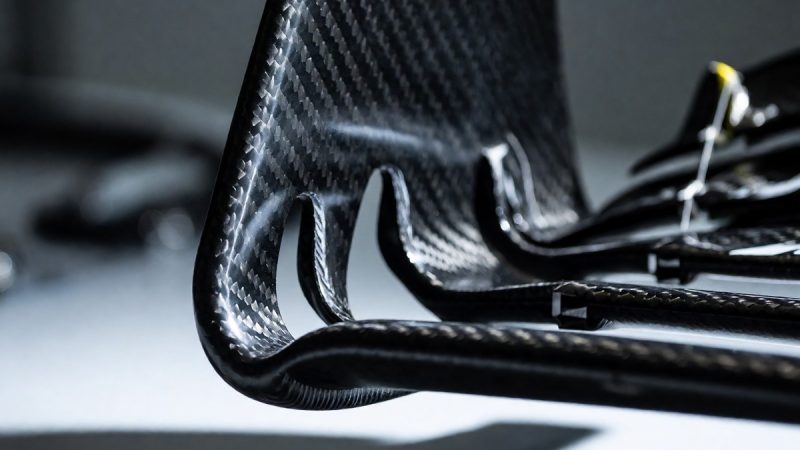
The aerodynamic package for the AMR26 includes a redesigned diffuser, revised floor edges, and a new rear wing assembly. The front wing and nose form are designed to improve front-end performance. The sidepod inlets are reshaped to improve airflow to the rear of the car. These changes work with the simplified floor to manage the car’s stability. The floor edge is revised around the area ahead of the rear wheels to help the diffuser work more effectively.
Driving at Suzuka
Suzuka’s layout requires specific energy management to handle high-speed sweeps. The first sector includes the Esses from Turn 3 to 7. Dave Greenwood from Alpine says drivers will take these corners in a lower gear because of reduced downforce. The medium to high-speed Spoon corner also requires careful management. Drivers must pick lines at Spoon to ensure a strong exit onto the next straight.
The 130R corner is a high-speed left-hander that is slower this year. Drivers may use a confidence lift at 130R for stability. They must also harvest energy before reaching the Turn 16 chicane to prepare for the next section. If a driver is too aggressive and scrubs too much speed laterally with the tyres, they waste energy. Drivers must balance the desire for cornering speed with the need to keep the battery charged for the straights.
Technical specifications
The following table provides the technical specifications for the Aston Martin AMR26 using the Honda RA626H power unit.
| Specification | Aston Martin AMR26 |
|---|---|
| Engine | Honda RA626H 1.6 L Turbo |
| Electric Motor | Honda Kinetic energy recovery system |
| Battery | Honda lithium-ion battery |
| Transmission | Aston Martin 8-speed + 1 reverse sequential seamless semi-automatic |
| Weight | 768 kg |
| Fuel | Aramco ProForce+ |
| Lubricants | Valvoline SynPower |
| Tyres | Pirelli P Zero (Dry/Slick), Pirelli Cinturato (Wet/Treaded) |
| Chassis | Carbon fibre composite with survival cell and honeycomb structure |
| Wheelbase | 3,400 mm max |
| Width | 1,900 mm max |
Driver management
Drivers must adapt their racing style to the energy constraints of the 2026 season. Oscar Piastri says that getting braver through corners can make a driver slower on the straights. This happens because higher corner speeds can increase drag or drain the battery too quickly. Fernando Alonso says that corners like 130R and the sectors in China are now used to charge the battery rather than to maximize lap time.
The new regulations replace the Drag Reduction System with Overtake Mode. A driver within one second of the car in front at the detection point can use an additional +0.5MJ of electrical energy. This mode allows the car to sustain a higher speed for a longer period on the following lap. Drivers must decide when to use the Boost Button to deploy the full 350kW from the MGU-K. They must also decide when to save energy to ensure they have enough for an attack or a defense.
The Zandvoort upgrade
Aston Martin introduced a B-spec car at the Hungarian Grand Prix to address chassis issues. The team is now preparing to bring an engine upgrade to the Dutch Grand Prix to address straight line speed deficits. Will Buxton indicated that Honda has made progress in increasing the power output. This upgrade aims to resolve the issues that have hampered the team’s performance throughout the season.
If the engine power increase meets expectations, it will help the aerodynamics work more effectively. The relationship between mechanical grip and aerodynamic downforce means a better engine allows engineers to optimize wing angles. The team hopes this upgrade will allow them to reduce drag without losing too much stability. Will the Honda engine upgrade resolve the straight line speed deficits at Zandvoort?