Ferrari technical shifts prepare SF-26 for Interlagos
Ferrari engineers utilize advanced electronic management to control 350kW of MGU-K electrical boost in the SF-26. New push-rod suspension and a rotating rear wing design aim to improve lateral grip by 3 percent and reduce drag during high-speed deployment.

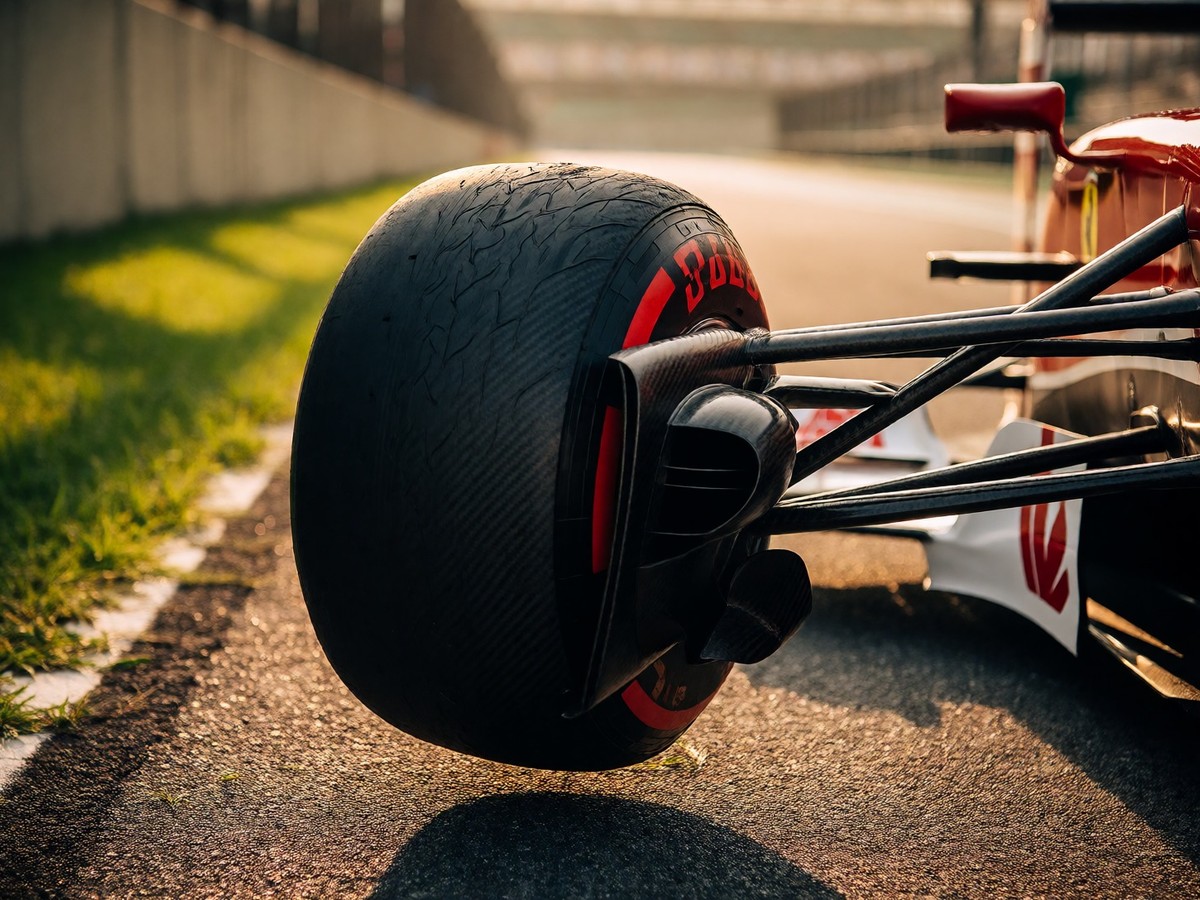
Ferrari engineers prioritize a two-stage development strategy for the SF-26 to move past the limitations of the SF-25. Fred Vasseur confirmed that the initial specification served as a test platform during the January Barcelona sessions. These runs focused on validating packaging, fluid dynamics, and electronic management systems rather than outright performance. The team then moved toward a more definitive specification during the Bahrain sessions. This progressive approach allowed the team to implement lessons from early running while managing technical unknowns. The aggressive development pace helped Ferrari secure victories in Barcelona with Lewis Hamilton and in Silverstone with Charles Leclerc.
Managing power through electronic systems
Effective traction management in high-performance vehicles requires precise control over how much power the engine sends to each wheel. Torque vectoring systems use computer control to improve grip and cornering stability. Some systems use small clutches within a differential to redistribute torque based on available grip. Other applications use the brakes to stop a wheel from slipping. Ferrari’s SF-26 manages the massive 350kW electrical boost from the MGU-K through advanced electronic management. This control helps the car handle the increased electrical energy deployment, which now accounts for 50% of total propulsion.
In road cars, the term e-Differential acts as a way to describe using the anti-lock braking system and throttle control to reduce power to spinning wheels. Cars with both a limited slip differential and an e-Diff allow for more latitude in the differential before the system activates braking or throttle controls. Ferrari’s newer high-power models require these systems to make the car manageable. The electronic management helps the driver maintain control despite the increased power. This technical approach ensures that the car remains predictable during high-speed cornering.
The push-rod suspension transition
Ferrari switched from a pull-rod configuration to a push-rod suspension scheme for both the front and rear axles. This decision follows the design trends seen in the Red Bull and Mercedes cars. The push-rod arrangement allows for a more pronounced narrowing of the lower chassis sections. This results in a slimmer nose profile and tighter rear packaging. It also helps ensure adequate airflow to the rear diffuser. You already know that managing tyre degradation is a struggle for Ferrari, so observe how the new suspension targets this weakness.
By using layered carbon fiber components in the suspension structure, Ferrari engineers aim to achieve a higher degree of controlled flexibility that helps the car absorb bumps more effectively on the track. This flexibility reduces body roll by 10 percent and increases lateral grip by 3 percent. The new design also includes a large anti-dive angle between the front and rear arms of the upper triangle. This feature prevents the front of the car from deep diving during braking. Such movement helps maintain stable aerodynamics by preventing massive changes to the flow under the front wing.
Rear wing rotation and drag reduction
The SF-26 uses a unique rotating rear wing to manage aerodynamic efficiency on straights. This design moves away from the standard flap activation used by most teams. The upper element of the wing can flip a full 180 degrees. The team uses a hydraulic system in the endplates to manage a central pivot point. This allows the flap to rotate until it is completely inverted. This movement mimics an aircraft wing to reduce drag. The transition happens in under 400ms.
This aggressive geometry does more than just reduce drag. The inversion creates lift to unweight the rear tires and reduce rolling resistance. This allows the car to reach higher top speeds without relying on extra engine power. The hydraulic system replaces the bulky central actuators seen on Mercedes or Red Bull cars. This change keeps the airflow over the beam wing exceptionally clean. Will the complexity of this hydraulic system cause the SF-26 to exceed the 768kg minimum weight limit? The car also uses this wing to save nearly 15% of its battery per lap.
Floor aerodynamics and the diffuser
The floor is the most complex aerodynamic component of the SF-26. Ferrari uses a leading edge tower to comply with regulations that require inward-facing floor boards. These boards use three lateral vanes to minimize the amount of air that is in-washed toward the floor. This helps maintain the effectiveness of the venturi tunnels. The floor edge wing also plays a role by managing the wake from the tyres. It helps extract air from under the floor and seals the low-pressure area.
The rear of the car also uses a specific design to manage airflow near the diffuser. Ferrari includes a large mouse hole in the lateral ramp of the diffuser. This opening allows external airflow to switch to the inner wall of the diffuser. This design helps prevent the airflow from detaching when the car is at high speeds. The interaction between the rotating rear wing and the oversized diffuser helps maintain stability during the transition from straight mode back to corner mode.
Power unit deployment and energy management
The 2026 power unit program remains a significant area of focus for Maranello. The SF-26 uses a 067/6 power unit that runs on 100% non-fossil carbon fuels. This fuel type changes the cooling requirements for the internal combustion engine. Ferrari currently trails rivals in total power output. The FIA identified Red Bull as having the best power unit, while Mercedes shows an advantage in straight-line speed. Ferrari used an ADUO token in Austria to introduce a new engine specification.
The car manages the 350kW electrical boost with high precision. This management helps mitigate electrical clipping at the end of long straights. The new regulations require the MGU-K to harvest three times more energy under braking. This energy is vital for maintaining performance throughout the race. The massive electrical deployment requires careful calibration of the power delivery. This balance between the engine and the electrical systems defines the performance of the SF-26.
Driver feedback and chassis dynamics
Hamilton and Leclerc have provided extensive feedback to help develop the SF-26. Hamilton expressed concerns regarding the difference between the Ferrari front wing and those of other top teams. Ferrari responded by adding an external diveplane to the front wing. They also made the flap angles adjustable via a hole at the top of the nose. Hamilton reported that he feels more connected to the car’s DNA than in previous years.
Leclerc has also found better feelings with the car after facing challenges earlier in the season. The car remains noticeably calm under load even during radical aerodynamic shifts. The driver’s experience with the car’s behavior helps the engineers refine the electronic differential and traction control. The combination of driver input and real-time data helps the team fine-tune the chassis.
| Driver | Team | Points |
|---|---|---|
| Kimi Antonelli | Mercedes | 320 |
| George Russell | Mercedes | 236 |
| Lewis Hamilton | Ferrari | 214 |
| Charles Leclerc | Ferrari | 191 |
| Lando Norris | McLaren | 188 |
| Max Verstappen | Red Bull | 188 |
Upcoming race schedule
The championship enters a decisive phase as the season progresses. Ferrari continues to fight for both titles against Mercedes and Red Bull. The upcoming races are scheduled as follows:
- Singapore GP: 11 Oct 2026
- United States GP: 25 Oct 2026
- Mexico City GP: 01 Nov 2026
- Brazilian GP: 08 Nov 2026
- Las Vegas GP: 22 Nov 2026
- Qatar GP: 29 Nov 2026