ECAT deployment and the future of track limits monitoring
The FIA's ECAT system uses computer vision and sensors to reduce human review by 95% for track limit infringements. This technology creates a digital twin of the race to assist the Remote Operations Centre in processing real-time data.

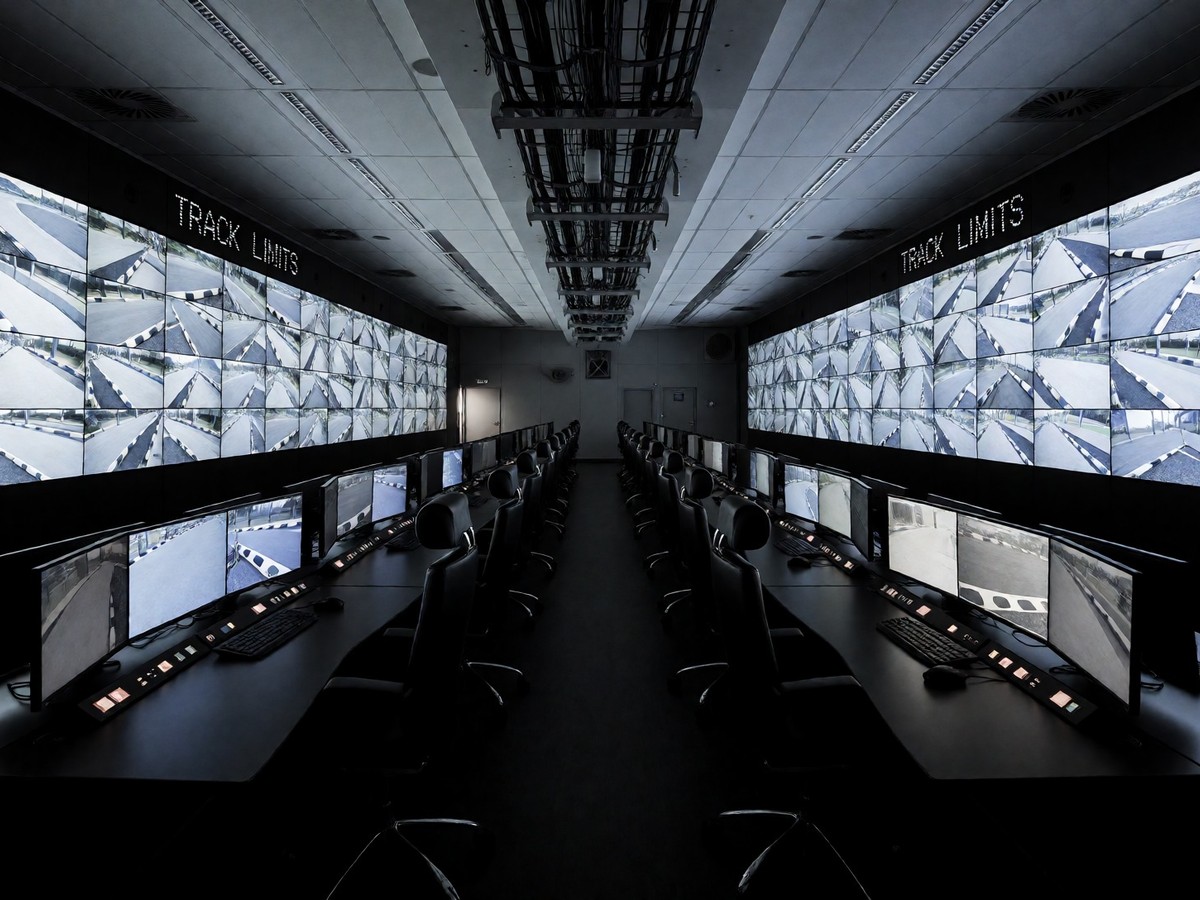
The ECAT system reduces human review by 95% through computer vision and advanced sensors. The FIA partnered with Catapult to develop this "Every Car All Turns" technology. It tracks each car’s position relative to the ideal racing line. The system creates a digital twin of the race in real time. This approach allows officials to catch infringements faster than traditional methods. The technology combines high-speed cameras, precise GPS positioning, and car data to monitor the track edge.
The FIA aims for real-time clarity for drivers so they know immediately if they have left the track. While the system promises speed, it also introduces hyper-precision challenges. Much like video assistant technology in football, the system may detect tiny deviations that do not affect the race. This level of scrutiny can lead to tension between the governing body and the competitors.
The Remote Operations Centre and the failure of electronic loops
The FIA relies on the Remote Operations Centre to process massive amounts of data from 100 to 150 video channels while specialized personnel analyze the remaining reports to ensure that race results stay clean and fair. This center acts as an extension of race control and processes data in real time. The Remote Operations Centre provides support to race control during grand prix weekends by feeding information to the stewards.
The reliance on human analysts grew after the FIA deactivated electronic detection loops at most corners. The loops failed to provide accuracy during the Austrian Grand Prix when officials identified over 1,200 potential track limits infringements. Tim Malyon, the FIA deputy race director, noted that the loops were insufficiently accurate. The FIA now prioritizes human visual inspection over unreliable loop data.
At the Qatar Grand Prix, the FIA used eight people to monitor track limits instead of the four used in Austria. These specialists monitored 820 corner passes. They whittled these down to 141 reports for race control. Race control then elected to delete 51 of those reports. Can an algorithm truly capture the nuances of driver intent during a high-speed corner?
2026 technical specifications
The 2026 season introduces significant changes to the physical dimensions and power delivery of the cars. These adjustments aim to balance performance and sustainability.
| Specification | 2026 Value |
|---|---|
| Minimum Weight | 768 kg |
| Maximum Wheelbase | 3.4 m |
| Maximum Width | 1.9 m |
| Power Split (Electric/ICE) | 50:50 |
| Front Tire Width Reduction | 25 mm |
| Rear Tire Width Reduction | 30 mm |
| Roll-hoop Impact Test | 20 g |
Energy management and driver dissent
The 2026 power units place a heavy emphasis on the electrical side of the hybrid system. Drivers must manage a 50-50 power split between the internal combustion engine and electric energy. This requirement changed how drivers approach racing. Max Verstappen described the power unit regulations as "Formula E on steroids" during winter testing.
Drivers use a Recharge mode to harvest energy during braking or when lifting off the throttle. This mode can disable active aero devices. The Boost button allows manual control of energy deployment to attack or defend. A new Overtake Mode provides extra power if a car stays within one second of the car it chases.
Lando Norris expressed concerns about the implications of these power changes for safety. He noted a speed difference of 30 to 50 km/h when comparing performance. He stated that when someone hits someone at that speed, they could go over the fence and cause significant damage. These energy management issues created tension between the drivers and the FIA.
Penalty guidelines and driving standards
The FIA updated the International Sporting Code to address driver concerns about inconsistent penalties. The GPDA issued a letter requesting more transparency regarding fine usage. The FIA applies a base fine between 10,000 and 45,000 euros, but because F1 drivers face a multiplier, the actual penalty amounts reach between 40,000 and 180,000 euros.
The revised guidelines include five divisions: bad words, misconduct, public incitement, political or religious messages, and disrespecting officials. The FIA uses these categories to determine the severity of a penalty. You already know the complexity of driver errors, so look at the specific scale of the new penalty structures.
The Driving Standards Guidelines serve as a living document to help clarify overtaking and defending. Drivers have criticized these guidelines for causing unfair penalties. Oscar Piastri faced a 10-second time penalty in Brazil after contact with Kimi Antonelli. Many rivals disagreed with the decision, arguing the penalty ignored the role of the cambered road in the incident.
Pit stop budgeting and performance
Teams must manage pit stop speed within the FIA cost cap. This constraint forces teams to choose between car development and pit lane performance. Red Bull remains the benchmark because it maintains high speed and low error rates. The team treats pit stop execution as a core performance function.
Mercedes treats pit stop work as a lower budget line than car development. The team runs about 60 practice stops with 22 crew members per weekend. In 2024, Mercedes averaged 2.12 seconds per stop. This approach favors reliability over raw speed. The team leans toward repeatability to avoid issues like the 2021 Monaco wheel-nut error.
Ferrari focuses on training and process control. The team aimed for 1,000 practice stops before the 2023 season opener. In 2024, Ferrari recorded a 1.94-second stop in Miami. Across 2024, the team averaged between 2.57 and 2.69 seconds per stop. In 2023, 73% of its pit stops came in under 3 seconds.
McLaren blends crew development with hardware work. The team uses the Optimum Nutrition McLaren Performance Hub for physical conditioning. McLaren holds the 1.80-second record from the 2023 Qatar Grand Prix. In 2024, the team matched Red Bull’s fastest stop of 1.90 seconds.
Aston Martin prioritizes repetition and physical preparation. The team practiced 4,844 pit stops trackside in 2023. In 2024, Aston Martin averaged 2.79 seconds per stop. This placed the team fourth in the field, ahead of Haas, Williams, and Sauber.
Williams has the least room to spend under the cost cap. The team must focus on clean execution per dollar to remain competitive.
The engineering battle against regulations
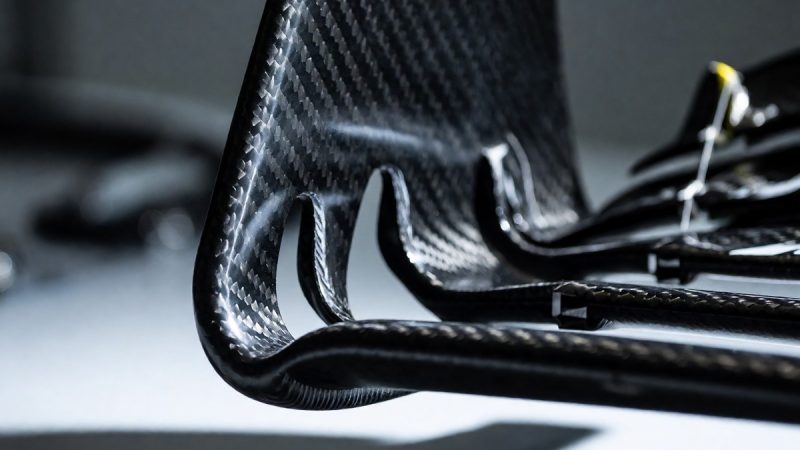
Engineers search for performance within the boundaries of the rulebook. This creates a constant struggle between teams and the FIA. During the 2025 season, designers used subtle front wing flexibility to replicate a mini-DRS effect. The aerodynamic elements passed static load tests in the garage but moved at high speeds on track.
The FIA responded by tightening deflection limits. Officials reduced the allowed movement from 2 millimeters to 0.75 millimeters, and later to 0.5 millimeters. This follows a history of engineers finding loopholes in floor flexibility and rear wing deflection.
Teams also test the limits of engine regulations. Engineers found that engines could meet the 16:1 compression ratio during stationary tests but operate closer to 18:1 at racing speeds. The FIA updated testing procedures to ensure compliance during both stationary and operating conditions. The budget cap also forces teams to find creative ways to manage component lifespans and spending.
The integration of technology and human oversight
The FIA uses a multi-layered approach to officiating. The Remote Operations Centre provides data to the race control hub. The stewards then receive incident packages to make final decisions. This chain of command links the technology to the human decision-makers.
The ECAT system adds a layer of computer vision to the process. This software filters the massive data sets to remove false positives. The goal is to provide the Remote Operations Centre with a smaller, more manageable number of reports. This reduces the workload for the experts who must verify every potential violation.
The FIA strives for a regulatory system that remains clear and transparent. The move toward AI-driven filtering aims to increase the speed of processing. This technology supports the human experts rather than replacing their judgment. The FIA continues to integrate these digital layers to support the racing spectacle.