Why Charles Leclerc’s Ferrari 2026 tyre warm-up struggles matter now
Ferrari drivers Charles Leclerc and Lewis Hamilton face significant performance deficits due to the SF-26 chassis failing to reach optimal tire operating temperatures. These thermal management issues in Baku and Zandvoort highlight fundamental flaws in the car's ability to load Pirelli rubber.

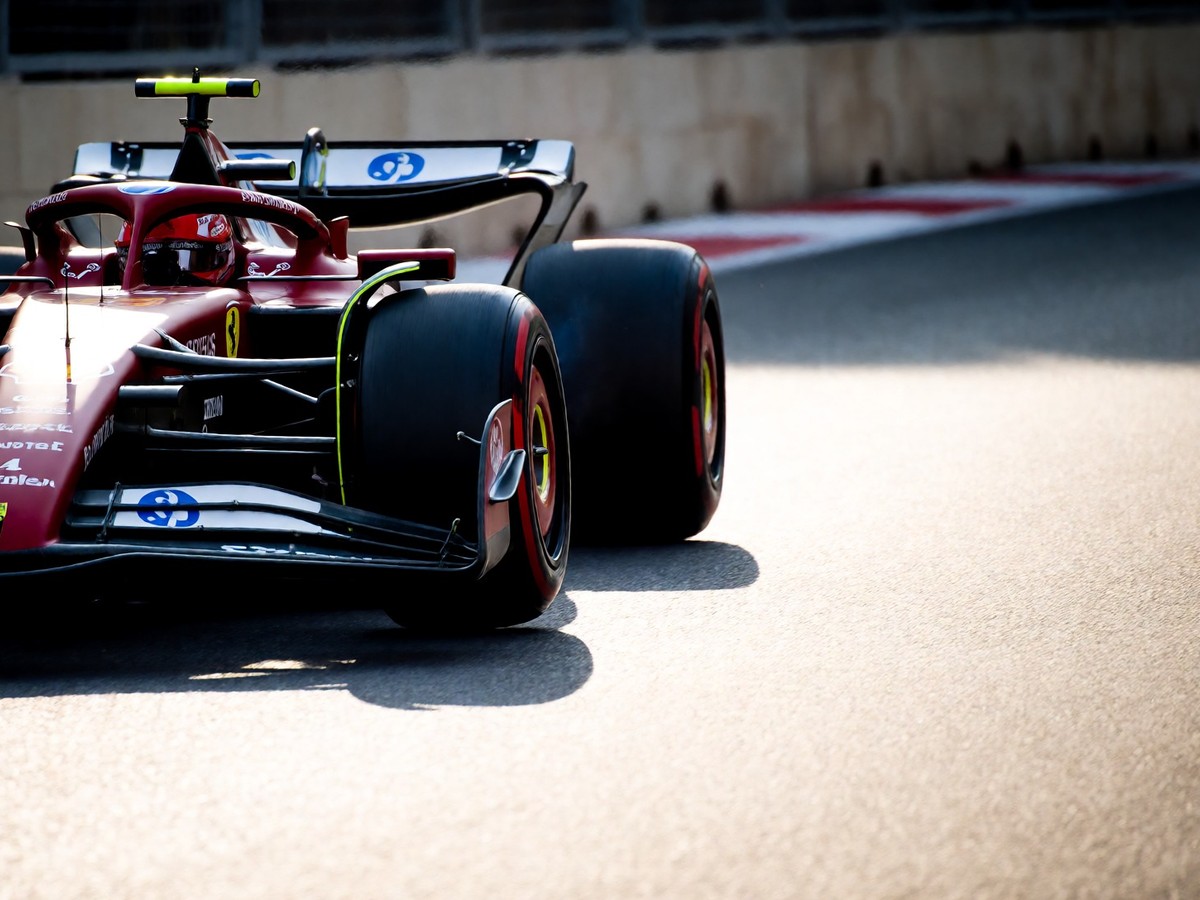
Lewis Hamilton said that switching the tires on was his problem all weekend during the Azerbaijan Grand Prix in Baku. The Ferrari driver found that the chassis refused to fire up the Pirelli rubber. This thermal issue plagued the SF-26 throughout the session. Charles Leclerc also faced similar difficulties. He said it was impossible to switch the mediums on during qualifying in Baku. He also experienced a lack of pace on the medium compound. His teammate struggled with the same uncooperative tires. The team’s ability to generate tire temperature remains a primary concern for the Maranello squad.
The struggle to reach the operating window creates a massive disadvantage when compared to rivals. In Baku, Hamilton finished in 12th place during Q2. Leclerc ended up in 10th on the grid after a crash at the Turn 15 right-hander. These results show that the Ferrari drivers cannot find the limit of the car when the rubber remains cold. Ferrari’s current development cannot overcome the fundamental thermal flaws in the SF-26.
Thermal management issues in Zandvoort
The problems in Baku mirror the difficulties seen during the Dutch Grand Prix at Zandvoort. Hamilton and Leclerc both needed two warm-up laps to reach the correct temperature window. They struggled to fifth and sixth place in Q3. This result equaled their worst performance of the summer. They remained three to four tenths behind the pole-setter, Lando Norris. Hamilton told reporters that the tires were the biggest culprit during that session.
The driver explained that the tires did not work in the first sector. They became better as he completed the lap. Hamilton said he could not do an out-lap and then go straight into a flying lap. The tires were cold, so he had to take a second preparation lap. He said he lacked the confidence to attack Turn 1 because of this. Other teams managed the tires better on both Friday and Saturday.
Leclerc had a different experience during the Sprint at Zandvoort. He opted to start on the soft C4 compound while most of the grid chose the C3 medium. This gamble paid off when he climbed to second place. He fought Lando Norris for the position on Lap 18. Leclerc thought the choice was correct because his team did the work in FP1. He did not expect to gain positions at the end of the race with those soft tires.
The physics of tire temperature
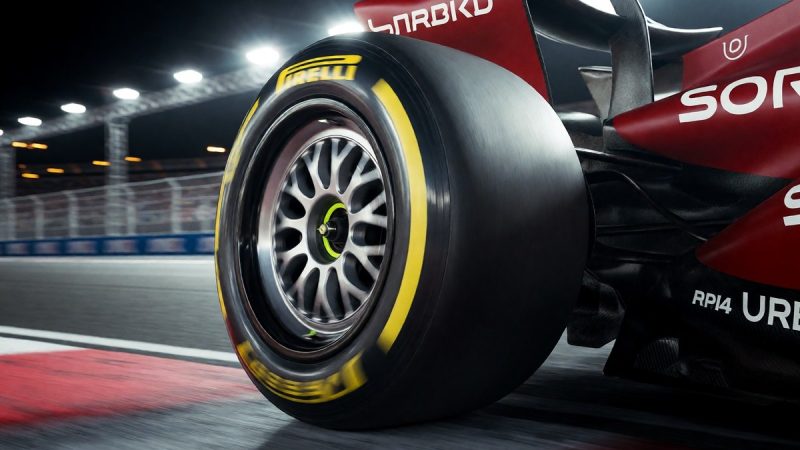
A tire must run within a specific temperature window to provide grip. This window stays between 100 and 140 degrees Celsius depending on the compound. The tire consists of a core carcass, a sidewall, and a tread. The elasticity of the tire provides the grip. As the car loads the tire, the rubber bends and pulls back into shape. This movement creates the opposing force that generates grip. This process depends on the tire structure and how the tread bonds with the track.
The tire blankets used in the garage initiate heating through the sidewalls and tread. However, these blankets cannot penetrate deeply enough into the tire core. The car must complete the heating process by putting the tire under load on the track. The core and tread temperatures must match. If the core remains too cool and inflexible, the tread will overheat. This causes the tread to lose grip and leads to a vicious cycle.
If the rubber overheats, it will blister. Blisters can be internal in the core or on the surface of the tread. Surface blisters often start in the core. Red Bull showed better tire treatment in Brazil compared to Mercedes or Ferrari. Max Verstappen passed four cars to take control of the race because his tires did not blister. He was able to run at a much harder pace than the other drivers.
Pirelli 2026 tire overhaul details
The 2026 season brings significant changes to the tires. Pirelli is introducing smaller tires to help reduce the total weight of the cars. The front tires will be 25mm narrower than current sizes. The rear tires will be 30mm narrower. This change reduces the total weight of the tires by approximately 1.6kg.
| Component | 2026 Specification Change |
|---|---|
| Front Tire Width | 25mm narrower |
| Rear Tire Width | 30mm narrower |
| Total Tire Weight Reduction | ~1.6kg |
| Power Unit Split | 50% ICE / 50% Electrical |
| Active Aero Modes | X-mode and Z-mode |
The decision to use 18-inch rims instead of 16-inch rims remains. Pirelli chief Mario Isola expressed concerns about using 16-inch wheels. A smaller diameter increases the risk of overheating. Smaller wheels disperse heat differently. The 18-inch rim is better for performance. The discussion involves a smaller diameter and a lower profile.
Rival advantages and regulatory loopholes
McLaren found a way to manage tire temperatures that left other teams behind. The FIA tightened the regulations for 2026 to address this. In 2024, there were suggestions that McLaren used water to cool tires. The FIA inspected the cars and found nothing wrong. McLaren instead used a clever design for the brakes and wheel hubs. They control how air goes through the wheel hub as the car moves.
The FIA now prohibits devices that target the cooling of the complete wheels. This closes the loophole McLaren used to stay competitive. In Baku, Leclerc noted that McLaren and Red Bull made a step forward with their upgrades. He said the Ferrari team must react because losing pace makes it difficult to regain.
Driver struggle in Qatar and Austria
Leclerc also faced issues in Qatar during qualifying. He said the car struggled with the rear tires on the opening flying laps. This issue forced him to downshift while he was at full throttle in a high-speed corner. He only had one lap in the correct window during Q3 because of the rear tire problems. He finished in fifth place.
The problems in Qatar follow a difficult weekend in Austria. Leclerc warned that the car had balance issues at the Red Bull Ring. He said the car needed to change direction cleanly and ride kerbs without making the rear nervous. If the driver lacks confidence in the braking zones, the qualifying session moves away before the best lap arrives.
Hamilton described his experience in Baku as a struggle to find the sweet spot. He said he was much happier with the car in qualifying after losing confidence in Free Practice. He also experienced a lock-up in Q1 due to tire temperature. He said he struggled with locking the front right tire after the initial incident.
Engine and aerodynamic factors
The 2026 regulations change the power delivery. New power units deliver power from the Internal Combustion Engine and an electrical component on a 50/50 basis. The cars also use active aerodynamics. Drivers can switch between X-mode for low drag on straights and Z-mode for high downforce in corners.
Some engineers argue the engine regulations are problematic. There are discussions about lowering the electrical output to 200kw. Others suggest adding 50kw back to the ICE with more fuel flow. The current 50/50 split is a major part of the new formula. This balance changes how drivers manage energy throughout the lap.
Can Ferrari resolve the thermal management issues of the SF-26 before the season reaches its conclusion? You probably know that tire management dictates the results in modern Formula 1. Leclerc and Hamilton continue to look for answers in the garage.
Strategic errors in Baku
Ferrari used different strategies for its drivers in Baku. In Q2, the team fitted soft tires to Hamilton and medium tires to Leclerc. Ferrari thought the medium was quicker. Hamilton said the medium was indeed much quicker and they should have used it in Q2. However, Hamilton only had two medium sets, while Leclerc had three.
Leclerc had a difficult time with the mediums in Baku. He said it was impossible to switch them on. He also felt he had an advantage going into qualifying with the mediums, but he regretted it because the conditions were tricky. He said he was seven or eight tenths off before he made a mistake. His mistake led to him being 10th on the grid.
Hamilton thought he could have taken pole position if the execution had been better. He finished 12th because he was on the back foot with limited tire sets. The team wants to implement lessons from this session to improve future qualifying runs. Ferrari must find a way to make the tires work immediately to remain competitive.