The 2026 Formula 1 technical shift and the Monza speed paradox
The 2026 Formula 1 technical regulations cause significant top speed drops at Monza, where peak race speeds fell to 351 km/h. New power unit rules mandate a 50/50 split between combustion and electrical energy, creating unpredictable closing speeds between drivers.

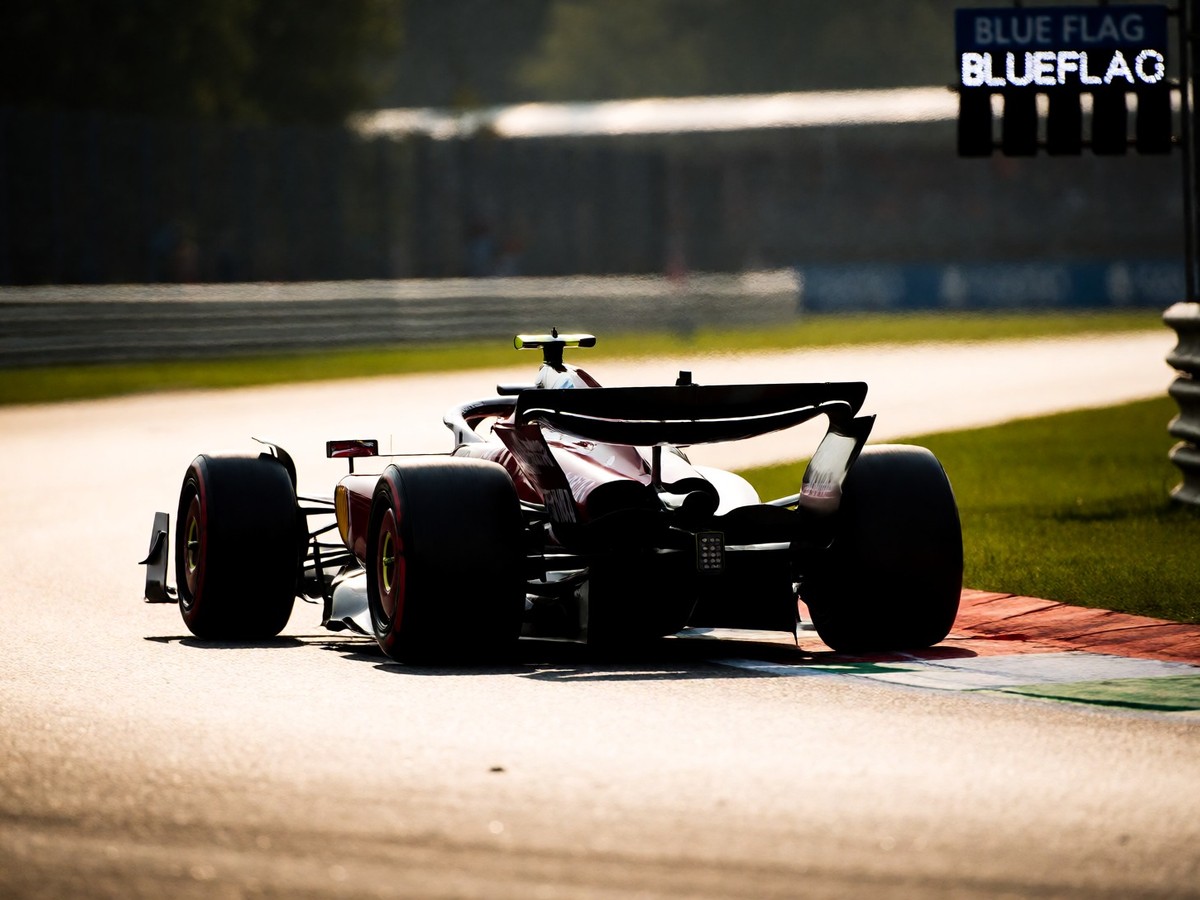
Monza no longer holds the highest top speeds
Monza no longer holds the record for the highest top speeds in Formula 1. The 2026 technical regulations changed how cars behave on long straights. In 2025, the highest race speed at Monza reached 365 km/h. This year, the peak race speed fell to 351 km/h. George Russell recorded a qualifying top speed of 341 km/h. This compares to the 354.7 km/h benchmark set by Nico Hulkenberg last year. The drop in speed at the exit of the Parabolica is particularly high. The longer a circuit’s straights, the lower the top speed becomes because drivers must spend more time harvesting energy. The ERS system uses the long straights for energy recovery, which limits peak velocity. At the Hungaroring, the peak race speed increased by 26 km/h, moving from 331 km/h in 2025 to 357 km/h this year. This phenomenon creates a paradox where the fastest tracks see the largest speed drops. The data shows that longer straights allow the ERS system more time to harvest, which effectively caps the maximum velocity. Barcelona currently leads the chart for top speed at 360 km/h.
The power unit and energy management
The 1.6-litre turbocharged V6 engine produces a 50/50 split between internal combustion and electrical energy. The MGU-H no longer exists in these power units. The MGU-K provides more power and acceleration while increasing energy regeneration. The battery element provides 350kW of power, which is a massive increase from the 120kW seen in previous years. Because the 2026 regulations mandate a 50/50 split between internal combustion and electrical energy, manufacturers must focus heavily on battery optimisation and thermal management to ensure they remain competitive on the grid. The cars also use advanced sustainable fuels made from carbon capture and municipal waste. These fuels reduce fuel consumption to about 70kg per race, which is 30kg less than the fuel used in 2025. The amount of energy that can be recuperated during the braking phase is 8.5 MJ per lap. The hybrid power has dropped from 550-560kw to 400kw. This shifts the burden toward electrical efficiency.
Safety concerns and the 50 km/h problem
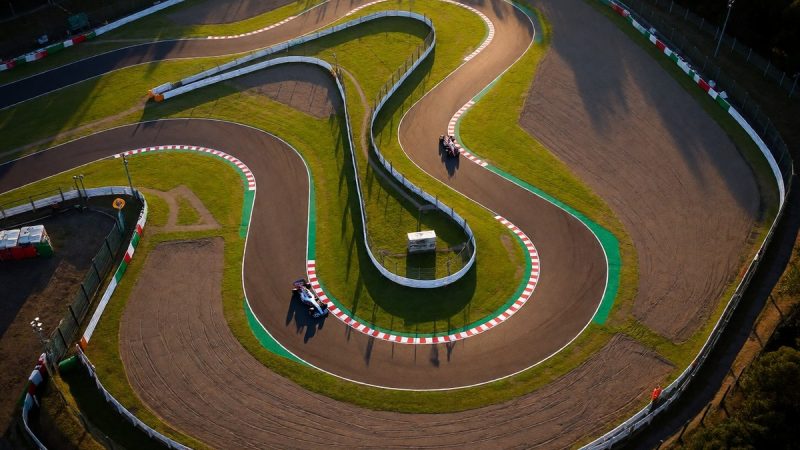
The unpredictable speed differences between cars create dangerous scenarios on track. Ollie Bearman crashed in Japan after encountering a car with depleted battery power. Franco Colapinto accelerated out of the hairpin without any battery pack left. This left Bearman 50 km/h slower than he expected. Bearman hit the barriers with a force of 50G. Patrick Friesacher said the incident could have been much worse. He said the sudden loss of 470 hp from the electric motor makes a car feel as if it were standing still when approaching a much slower vehicle. Carlos Sainz and Fernando Alonso also warned that these unpredictable closing speeds could lead to accidents. The FIA must act quickly to address these concerns. The FIA has a five week window to respond to the drivers. The decision to implement a 50/50 power split was a political decision made to attract manufacturers like Audi and Mercedes.
Active aerodynamics and mode switching
Active aerodynamics replace the old DRS. Drivers use a button on the steering wheel to toggle between X-mode and Z-mode. X-mode opens the front and rear wings to reduce drag on straights. Z-mode closes the wings to increase downforce in corners. Because the new active aerodynamics system can be activated by the driver to reduce drag on straights, the FIA has worked to ensure the system remains reliable and does not cause safety issues when drivers enter high-speed corners at great velocity. Jan Monchaux noted that the system will undergo the same rigorous approach used for the DRS in 2011. This system aims to reduce dirty air and make overtaking easier. This change follows the 2025 crash involving Jack Doohan at Suzuka. Drivers must manage these wing positions manually while navigating complex cornering sequences.
Three tactical modes on the steering wheel
Overtake mode provides 0.5MJ of extra electrical deployment when a driver stays within one second of the car ahead. This replaces the DRS mechanism. Boost mode allows drivers to draw extra electrical power for an entire lap. Recharge mode works in braking zones and twisty sections to replenish the energy. Drivers manage these three tactical tools while racing wheel-to-wheel. The leading car reduces energy expenditure above 290km/h, while the pursuers access full 350kW power until 337km/h. Managing these modes requires intense driver concentration. The system provides tactical options that did not exist during the DRS era.
Chassis dimensions and weight reductions
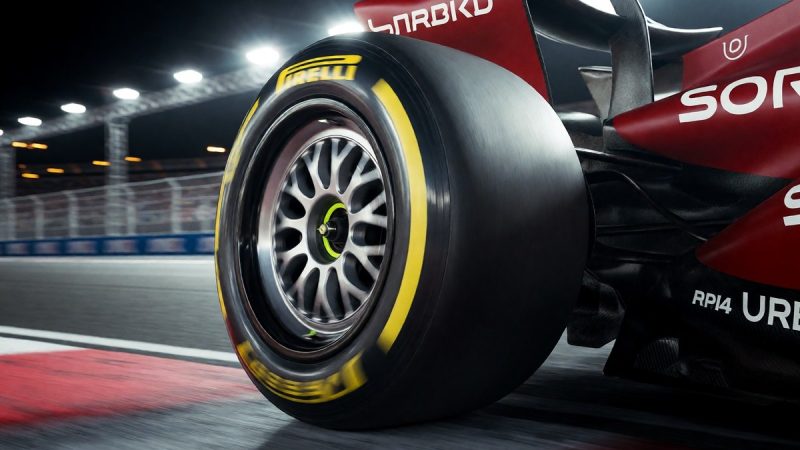
The cars are smaller and lighter. The minimum weight is 770kg. The wheelbase is 3400mm. The width is 1900mm. Tyres are narrower, with the rear at 375mm and the front at 280mm. The 18-inch wheels remain. The floor is flatter, which reduces downforce and helps prevent porpoising. The 2026 cars produce about 40 percent less drag and between 15 and 30 percent less downforce than previous cars. The overall weight is 30kg less than the 2022 cars. The wheelbase has been reduced by 200mm. The width has been cut by 100mm. These changes aim to make the cars more agile and capable of closer racing.
The 11 team grid and manufacturer landscape
Eleven teams compete in the championship. Cadillac uses Ferrari power units. Audi has taken over Sauber. Cadillac’s team leader is Graeme Lowdon. The grid includes Mercedes, Ferrari, and Red Bull-Ford. Honda supplies Aston Martin. The teams include McLaren, Ferrari, Mercedes, and Alpine. Cadillac is a General Motors-backed entry. Audi uses a team led by Mattia Binotto, James Key, and Jonathan Wheatley. The Cadillac driver lineup includes Valtteri Bottas and Sergio Perez. Audi retains the driver pairing of Nico Hulkenberg and Gabriel Bortoleto.
Driver management in the new era
Racing now depends on battery management. Fernando Alonso says overtaking happens without even wanting to. Drivers manage batteries instead of racing instinctively. Christian Horner called the cars "Frankenstein cars" because of the 50% electrical split. I find the new regulations to be a mistake. The drivers have lost control of the racing dynamics. Liam Lawson said the car is very, very different. He said he is still trying to learn how to optimise the car. Will the FIA change the power split before the season ends?