Tuesday, 27 October 2026 Next race: Mexico Grand Prix
FormulaKite

Author

FormulaKite

The FormulaKite editorial desk covers Formula 1 news, race weekends and technical analysis. Every story is checked against primary sources before publication.

Profile

The future of FIA's 2026 hydrogen refueling prototype trials
Tech

The future of FIA’s 2026 hydrogen refueling prototype trials

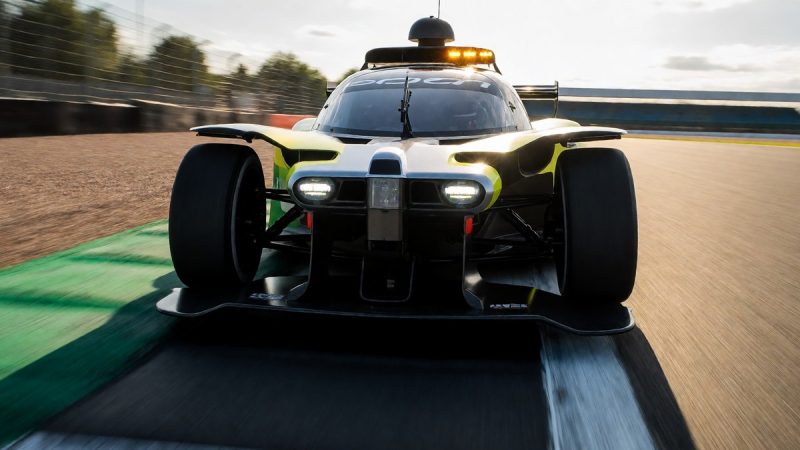
Extreme H testing in Saudi Arabia proved hydrogen fuel cell reliability in harsh conditions, with nine Pioneer 25 vehicles covering 550km without powertrain failure. These trials provide critical safety and performance data for the FIA to develop future hydrogen integration in series like the WEC.

6 min

How to read FIA 2026 real-time tyre temperature dashboards
Race

How to read FIA 2026 real-time tyre temperature dashboards

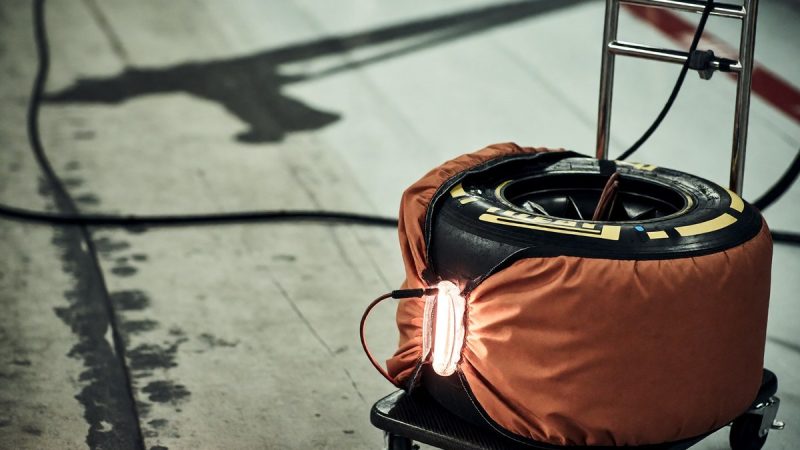
Strategists must manage Pirelli tires operating between 85°C and 110°C to prevent performance loss. This analysis covers 2026 telemetry shifts, MGU-K energy deployment, and how thermal or mechanical degradation impacts race strategy in Las Vegas.

6 min

FIA 2026 porpoising detection sensor calibration thresholds
Tech

FIA 2026 porpoising detection sensor calibration thresholds

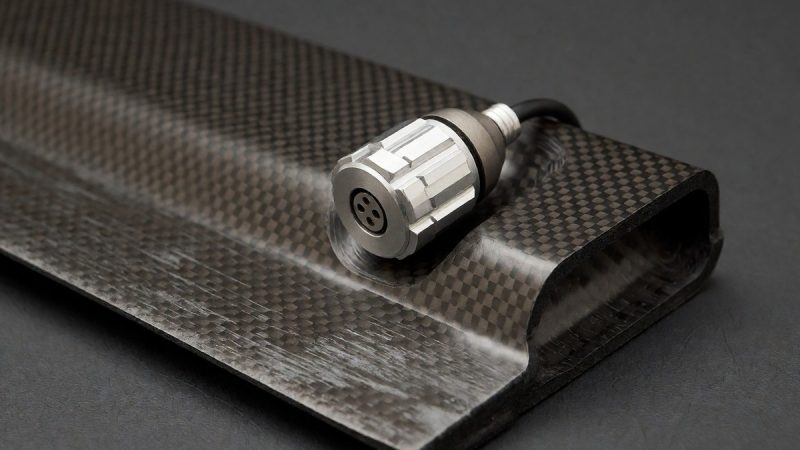
The Aerodynamic Oscillation Metric monitors vertical G-forces to ensure driver safety from violent bouncing. FIA regulations mandate that car floors must not flex more than two millimetres to prevent teams from bypassing oscillation limits.

6 min

The FIA mandates the 2026 driver cooling system
Interviews

The FIA mandates the 2026 driver cooling system

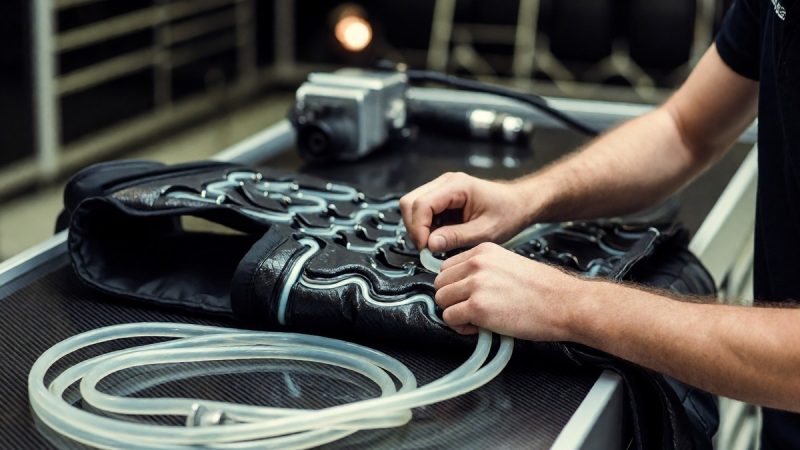
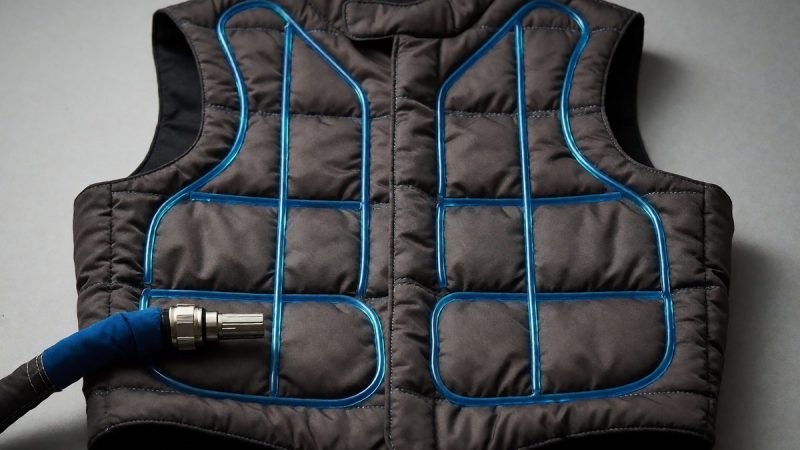
The FIA mandates a Driver Cooling System for 2026 to protect athletes from extreme heat, triggered when ambient temperatures reach 31C. This regulation includes specific weight ballast requirements and cost cap exemptions to ensure driver safety and competitive fairness.

5 min

Analyzing 2026 cockpit cooling duct airflow for driver performance
Analysis

Analyzing 2026 cockpit cooling duct airflow for driver performance

Engineers must optimize 2026 cockpit cooling to prevent physiological collapse in extreme heat. Research shows that suit blowers with cold air are the most effective method, helping participants maintain a core temperature of 34.85 degrees Celsius during intense exercise.

7 min

Hamilton shows strong race pace recovery at Spa with Ferrari
Analysis

Hamilton shows strong race pace recovery at Spa with Ferrari

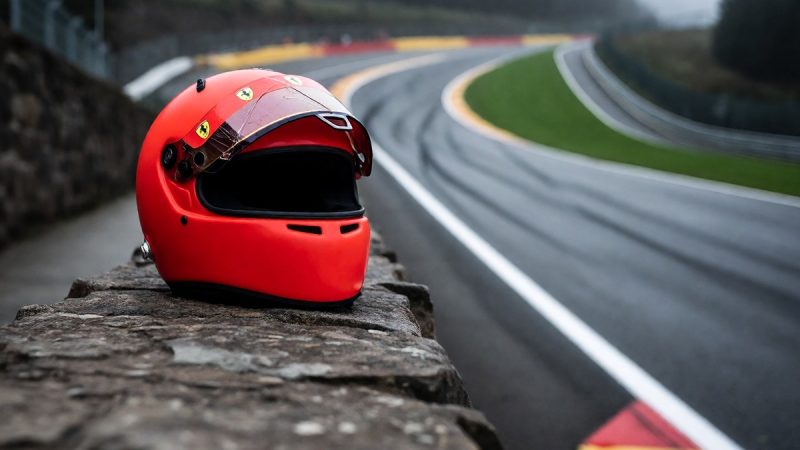
Lewis Hamilton demonstrated significant pace during the 2026 Belgian Grand Prix practice sessions, recording the fastest average long-run pace in FP1. Despite a five-second penalty for contact with George Russell, Hamilton finished the race in fourth place.

7 min

How Red Bull's 2026 Ford power unit MGU-K harvesting works
Tech

How Red Bull’s 2026 Ford power unit MGU-K harvesting works

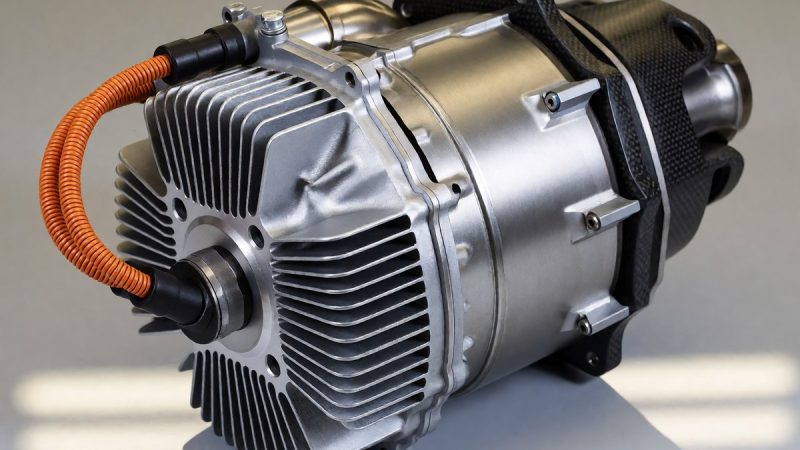
The 2026 Formula 1 power unit shifts to a 50/50 power split between the internal combustion engine and the MGU-K. This new electrical component delivers 350kW of power, nearly tripling the output of previous hybrid generations to manage energy recovery and deployment.

7 min

Fernando Alonso debunks Aston Martin 2026 Honda ERS myths
Analysis

Fernando Alonso debunks Aston Martin 2026 Honda ERS myths

Fernando Alonso attributes Aston Martin's AMR26 handling issues to Honda power unit driveability rather than Adrian Newey's aerodynamic design. The team faces significant challenges including a 4 to 4.5 second performance gap and combustion instability in the new spec 2 engine.

5 min

Why Alpine is switching to Mercedes power for 2026
Interviews

Why Alpine is switching to Mercedes power for 2026

Alpine Racing will abandon its Renault engine project for a Mercedes power unit in 2026 due to a massive gap between the 135 million dollar spending cap and actual development costs. Bruno Famin explains the decision stems from an unfavorable economic model for manufacturers.

5 min

The error of replacing human readiness with raw telemetry
News

The error of replacing human readiness with raw telemetry

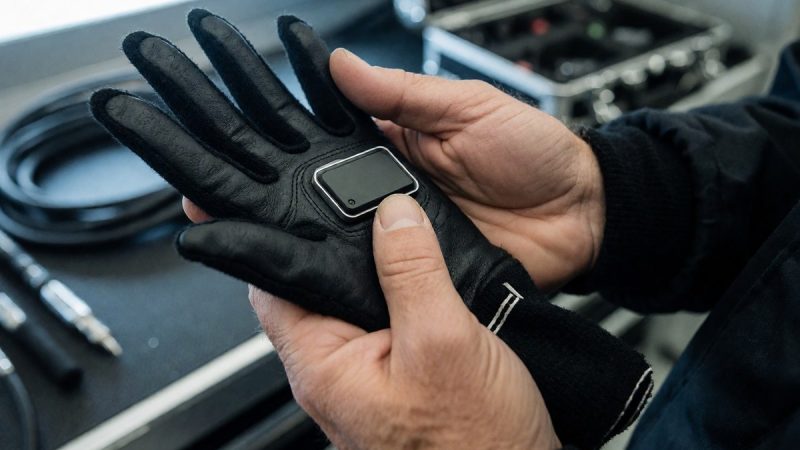
FIA biometric gloves transmit vital signs like pulse oximetry to medical teams, but relying on single physiological spikes can lead to incorrect fatigue assessments. Effective safety requires contextual interpretation rather than replacing professional judgment with automated scores.

6 min

Back to top