Vowles proposes spending reforms to address infrastructure disparity
Vowles proposes dynamic expenditure catch-up mechanisms for 2027 to balance competition between teams with legacy infrastructure and those without. While Alpine and Aston Martin support the sliding-scale proposal, Haas and Racing Bulls oppose expanding capital spending allowances.

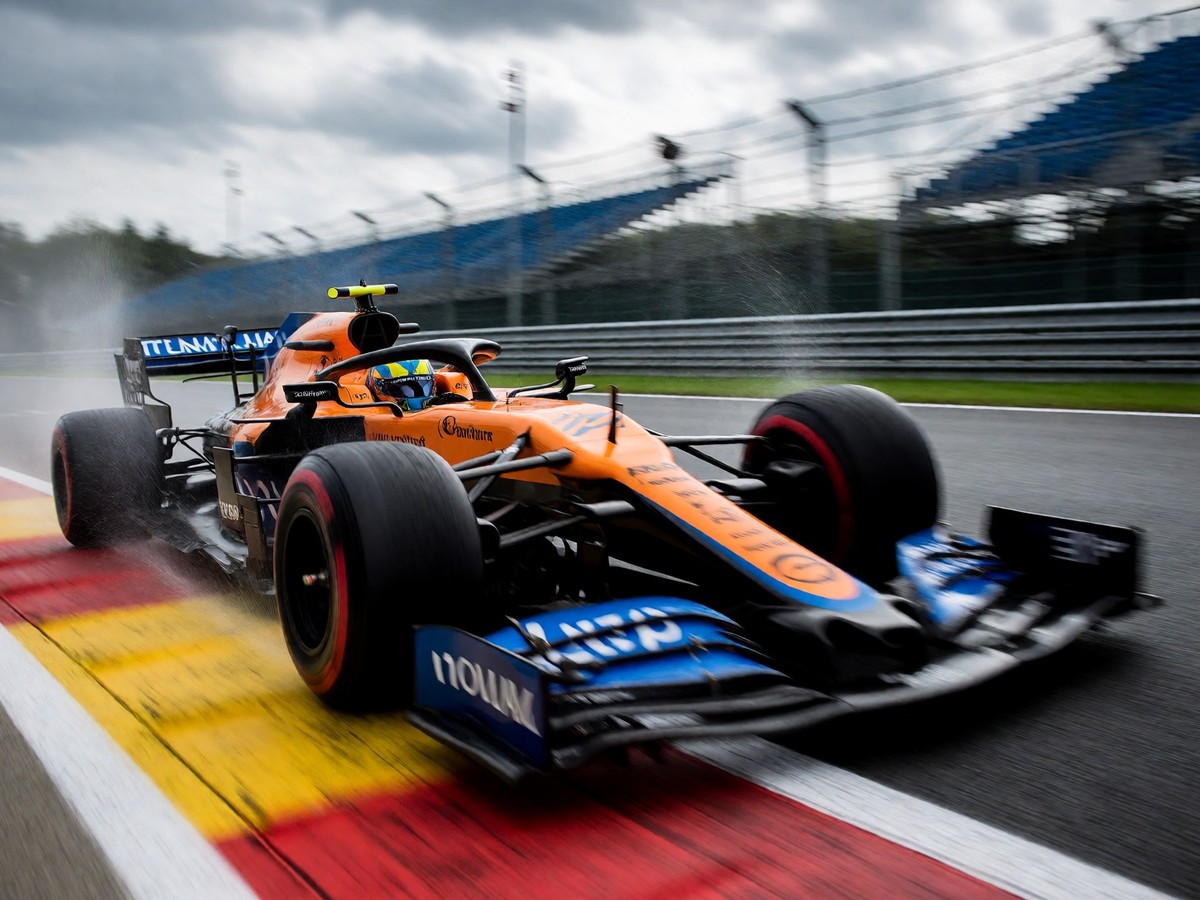
Vowles pushes for spending reforms
The debate over cost cap reform is clearly driven by the disparity in team infrastructure. Vowles proposes dynamic capital or operational expenditure catch-up mechanisms that tie spending to a team’s championship position; he argues that current regulations favor teams with legacy infrastructure built before the 2021 cap was introduced. Teams such as Alpine, Aston Martin, Audi, and Cadillac support this idea. However, Haas and Racing Bulls oppose any expansion of capital spending allowances. Front-running teams argue that maintaining current limits protects against a renewed spending war and preserves the championship’s long-term financial sustainability. This push for reform creates a split between teams wanting to adjust spending based on performance and those defending the current limits.
| Item | Detail |
|---|---|
| Reform target year | 2027 |
| Original cost cap | 2021 |
| Reform supporters | Alpine, Aston Martin, Audi, Cadillac |
| Reform opponents | Haas, Racing Bulls |
Brown considers regulatory changes
McLaren CEO Zak Brown is open to conversation regarding these complicated financial regulations. Brown notes that McLaren won back-to-back constructors’ titles despite not having the largest infrastructure in Formula 1 and relying on a customer engine. "Sport is very complex," Brown said. He also observed that the grid shows high levels of competition because a fifth-place driver took a pole position this year, whereas most of the time in the past, only one or two teams won races. Brown believes the sport does a good job of reviewing financial, sporting, and technical regulations through a collaborative process. He added that the team has made a step forward in combining CapEx and OpEx, which forces a decision on where to invest, just like a team makes a decision on which drivers to bring on board. "I am always open-minded," Brown said. Any changes to the financial regulations must pass through the FIA Cost Cap Administration and Financial Advisory Committee before reaching a formal vote at the F1 Commission. This regulatory process can take anywhere from several months to multiple seasons. Whether Vowles can gather enough support from rival teams to pass his sliding-scale proposal remains to be seen.