The 2026 canopy visibility standard and wet weather at Interlagos
The FIA is developing a polycarbonate Shield to ensure driver visibility during wet races. This new head protection aims to prevent the sightline issues experienced with the Halo while managing the heavy spray produced by 2026 ground effect cars.

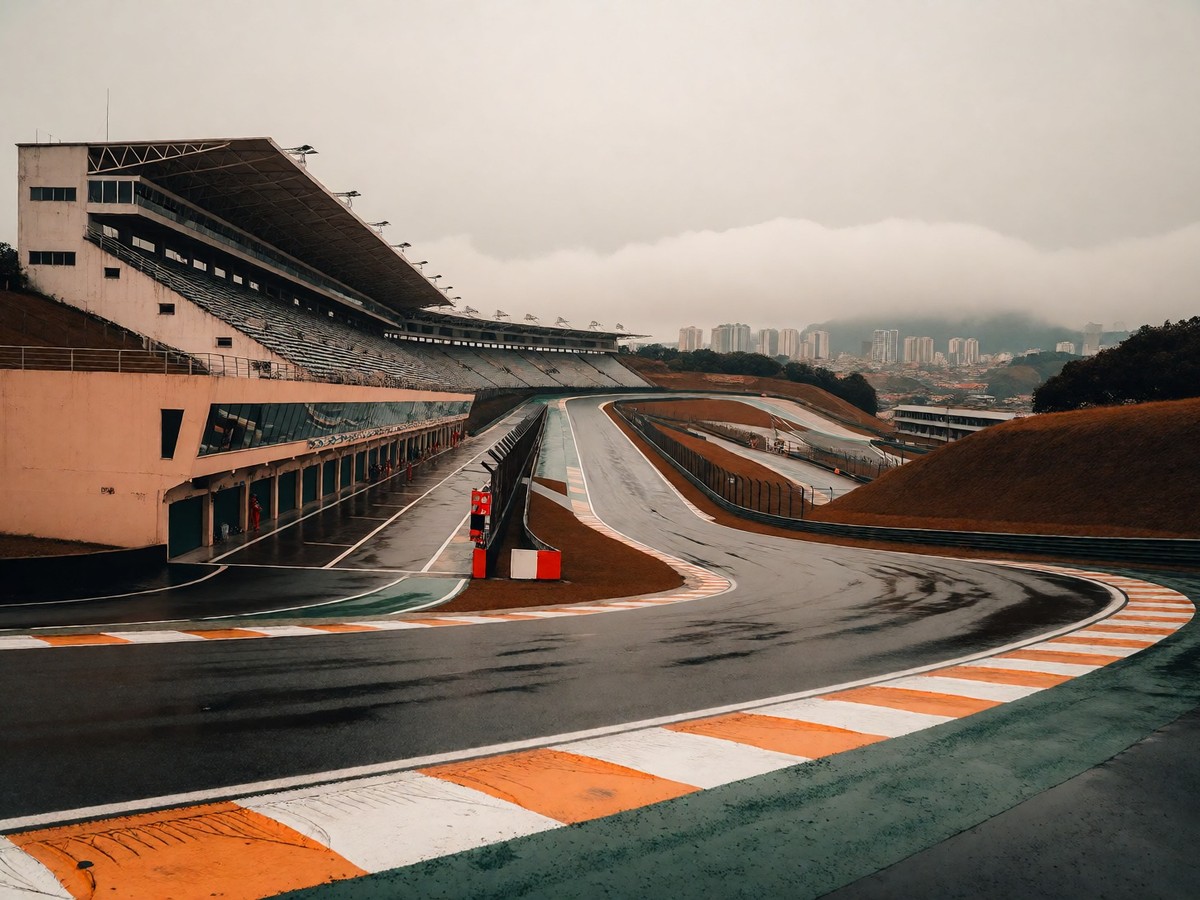
The 2026 Brazilian Grand Prix at the Autodromo Jose Carlos Pace approaches this November. The weather forecast for the upcoming weekend suggests the usual chaos. I see a 20% chance of light rain for the Sunday race. The 2025 forecast for the Saturday sprint showed an 80% chance of showers. You already know how much the rain at Interlagos can change a championship battle. In 2024, Max Verstappen used heavy rain to move from P17 to a victory. He has a 40% win rate in wet races since 2021.
The polycarbonate Shield and driver vision
The FIA introduces a transparent open canopy system called the Shield. This system uses polycarbonate to provide protection from debris. The Shield aims to provide significant protection while ensuring the driver has unrestricted forward vision. Ferrari tests the Shield, and the FIA works with teams to define the geometry of the design. This focus on sight is necessary because drivers previously complained about the Halo’s impact on vision. The FIA aims to provide head protection that addresses the concerns of the drivers.
The FIA works with teams to define the geometry of the transparent polycarbonate shield, which aims to provide significant protection from debris while ensuring the driver maintains unrestricted forward vision during the race. This solution follows many years of discussion regarding how to protect the driver’s head from large objects like tyres and small debris. Some proposals included a visor-type system that remains open above the head. Other ideas involved three long steel bars that curve over the driver’s head. The FIA also tested a design with additional frontal protection, which used curved fins to deflect objects from the front.
Spray management and ground effect aero
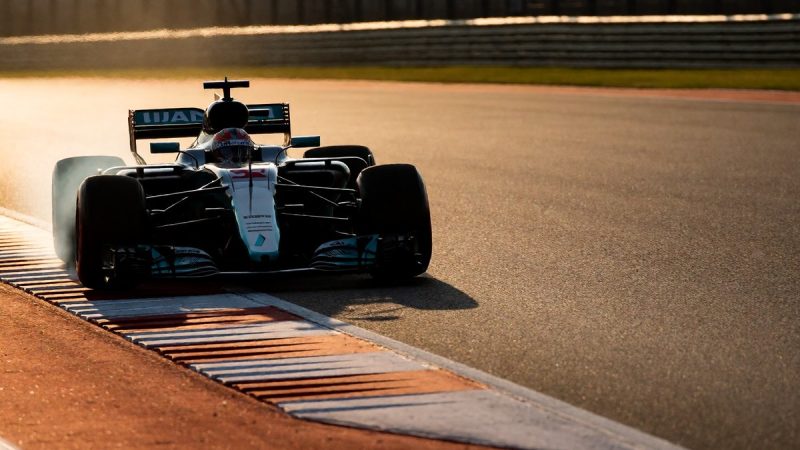
The 2026 cars use ground effect aerodynamics. The design includes a partially flat floor and a lower-powered diffuser. This setup reduces the reliance on ultra-stiff setups. However, the diffuser and underfloor tunnels still throw water into the air. The FIA studies a standard bodywork kit to suppress tyre spray. This kit uses minimal bodywork over the wheels. The FIA also investigates special spray-mitigating devices that drivers can fit during wet running.
The 2026 cars reduce downforce by 30% and drag by 55%. The front wing is 100mm narrower and has a two-element active flap. In-washing wheel wake control boards sit on the side pods to help control the wake. The 2026 cars also have a wheelbase of 3400mm, which is less than the 3600mm maximum of previous cars. The width of the car is 1900mm. The front tyres are 25mm narrower and the rear tyres are 30mm narrower than before. These changes to the dimensions help the car follow more easily, but the spray remains a problem.
Technical specifications for the 2026 regulations
The following table lists the technical specifications for the 2026 Formula One cars.
| Component | 2026 Technical Specification |
|---|---|
| Minimum Car Weight | 768kg |
| Car and Driver Mass | 722kg |
| Estimated Tyre Mass | 46kg |
| Maximum Wheelbase | 3400mm |
| Maximum Width | 1900mm |
| ICE Power Output | 400kw |
| Electrical Power Output | 350kw |
| Roll Hoop Load | 20G |
| Roll Hoop Test Load | 167kN |
The 2026 cars have a minimum weight of 768kg. This weight includes 722kg for the car and driver and 46kg for the tyres. The power unit features a more even split between the internal combustion element and electrical power. The electrical component provides 350kw of power, which is an increase from 120kw. The internal combustion engine provides 400kw of power. The total recuperable energy during braking is 8.5 MJ per lap.
Head protection history and testing results
Drivers called for closed cockpits after the deaths of Jules Bianchi and Justin Wilson. The FIA tested many devices over five years. The Halo was the preferred option because it provided the best safety performance. The FIA tested the strength of the Halo using an air cannon to fire a tyre at 225 km/h. The Halo performed well regardless of the angle or height of the impact. The roll hoop loads were increased from 16G to 20G to match other single-seater formulas.
The testing of the polycarbonate screen by Sebastian Vettel was a failure because the driver experienced dizziness after only two laps. This test took place during practice at Silverstone. Other drivers, such as Kimi Raikkonen, found the Halo annoying for visibility. Lewis Hamilton also commented that the Halo was ugly. The FIA’s current research into the Shield seeks to avoid the visibility issues seen with previous attempts at head protection.
Driver feedback on wet weather visibility
Valtteri Bottas argued that the FIA waited too long to stop racing in the rain at Spa. At the Japanese Grand Prix, the race was red-flagged because of spray. Max Verstappen said that waiting for the weather to improve at Spa made no sense. George Russell said that racing in the rain with no visibility is just stupidity. Drivers have complained that modern cars make it difficult to go racing in the wet.
The 2026 regulations attempt to address these complaints. The FIA studied how surface water travels through the underfloor tunnels. The study aims to define a package of parts to suppress the spray. Drivers have suggested that reduced visibility in extremely wet conditions is a reason to suspend sessions. This visibility is a determining factor for starting or stopping a race. I think the drivers are right to demand better sightlines when the spray is thick.
Power unit evolution and safety modes
The 2026 power unit uses 100% sustainable fuel. This fuel is a drop-in solution for many internal combustion engines. The 2026 regulations move toward a 50% electrical and 50% thermal power distribution. For 2027, the FIA will move to a 58/42 split. By 2028, the split will be 60/40. The FIA also reinstated a restricted Boost Mode for wet conditions for the remainder of the 2026 season.
This Boost Mode prevents power reduction on straights without increasing output. The mode helps to reduce closing speeds when visibility is low. This change follows driver feedback that a large increase in torque was a safety risk. The 2026 power units also include a Manual Override system. This system provides an on-demand burst of battery power when a driver is close to the car ahead. The leading car’s deployment tapers off after 290kph and reaches zero at 355kph. The following car receives 350kw up to 337kph.
The importance of the canopy at Interlagos
The canopy visibility standard is the most important factor for safety at Interlagos. The Shield must work to keep the driver’s vision clear when the heavy rain hits the track. If the polycarbonate does not clear the water, the 2026 cars will still face the same visibility issues seen in Japan. The 2026 cars reduce the reliance on ultra-stiff setups, but the spray from the floor remains a challenge. Will the polycarbonate shield stay clear enough when the spray from the ground effect cars hits it at high speed? I believe the transparency of the Shield is the most important factor for safety during the upcoming race.