Risks in FIA 2026 active suspension and SECU logic control
The shift to SECU logic control for 2026 active aerodynamics creates significant safety risks, such as sudden aerodynamic balance shifts at 320kph. Sensor errors could trigger a False Positive Safety Lockout, forcing cars into high-drag modes and impacting team development budgets.

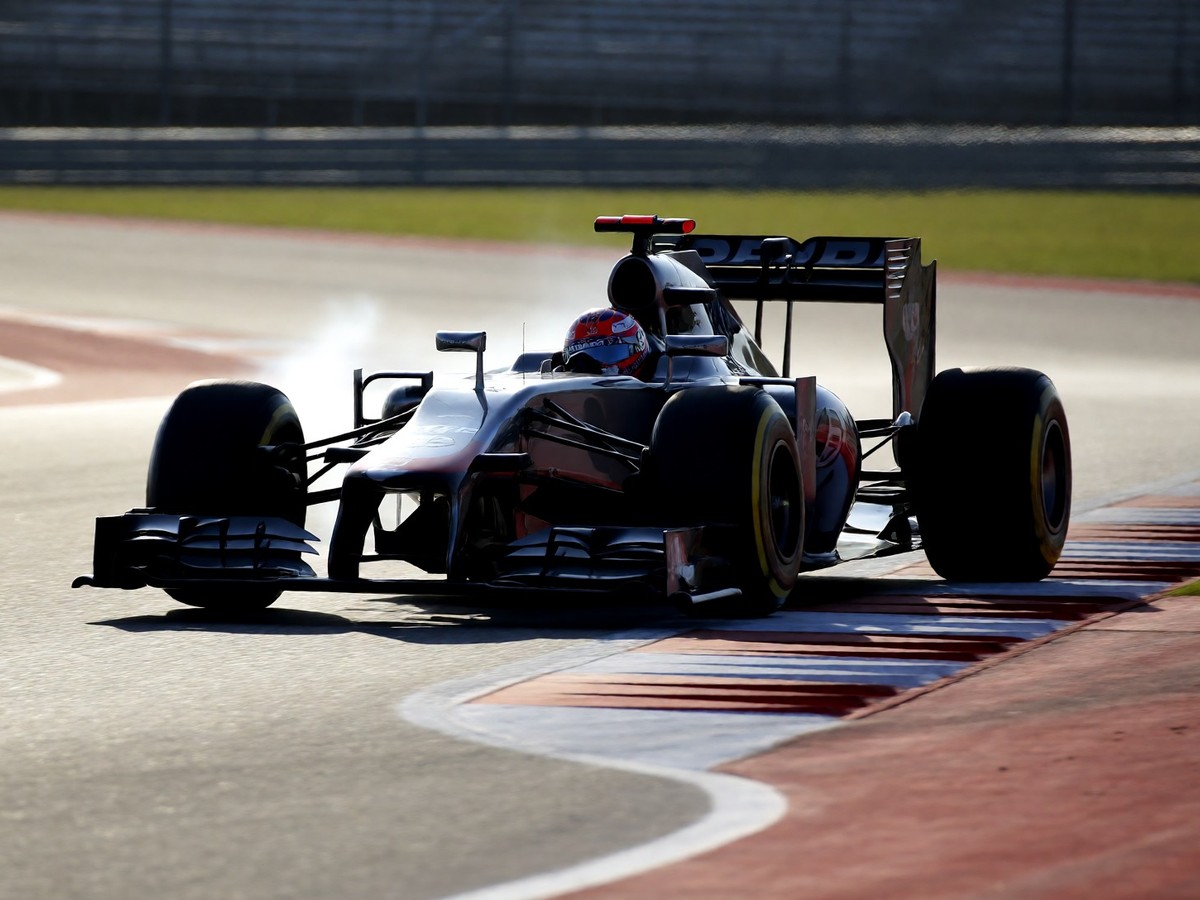
The Standard Electronic Control Unit (SECU) controls the 2026 aerodynamic configurations. I find the shift from human intent to logic control a significant risk for teams. This shift transforms the Formula 1 car from a mechanical machine into a logic-driven robot. Teams like McLaren lack direct access to the source code inside the Black Box. They can only feed the unit data. This creates the Blind Customer gap. A sensor error could cause a False Positive Safety Lockout. This occurs if the SECU misinterprets high-frequency vertical oscillation between 4 and 10Hz as a sensor failure. The car then enters High-Drag (Corner Mode) on a straight.
The sudden shift in aerodynamic balance presents a safety hazard. If the SECU engages Corner Mode at 320kph due to bad data, the center of pressure moves forward. This movement causes the car to snap into an uncontrollable spin. The cost of such a crash is a financial liability for teams. Under the Financial Regulations, teams deduct the cost of a new front wing, suspension, and floor directly from the development budget. A single $50 sensor glitch could burn $200,000 of the cap space.
The SECU logic trap
The 2026 regulations replace traditional DRS with active aerodynamics. The car switches between a high-downforce configuration for corners and a low-drag configuration for straights. This system is not a manual driver choice. The SECU manages the transition between these states. Teams like McLaren act as customers of the hardware that controls the vehicle. Engineers build the chassis, but they do not write the code for the SECU. This separation creates a strategic vulnerability.
The SECU must interpret sensor data to decide when to deploy active aero. If the system detects aerodynamic instability or porpoising, it may prioritize safety over performance. I see a massive risk when the computer misinterprets track surface noise as a loss of control. A driver might press the Overtake button, but the computer refuses to deploy the extra power. The car stays in a high-drag state. This results in a lost position and a ruined race strategy.
The technical complexity of this logic is high. The 2026 cars must balance the 350kW output of the MGU-K with the changing aerodynamic profile. The FIA has designated specific zones for these modes. These zones function similarly to the current DRS areas. The cars will use the low-drag configuration to achieve higher top speeds on straights. I find the reliance on automated logic rather than driver input to be a regression in the sport.
Aerodynamic instability and control
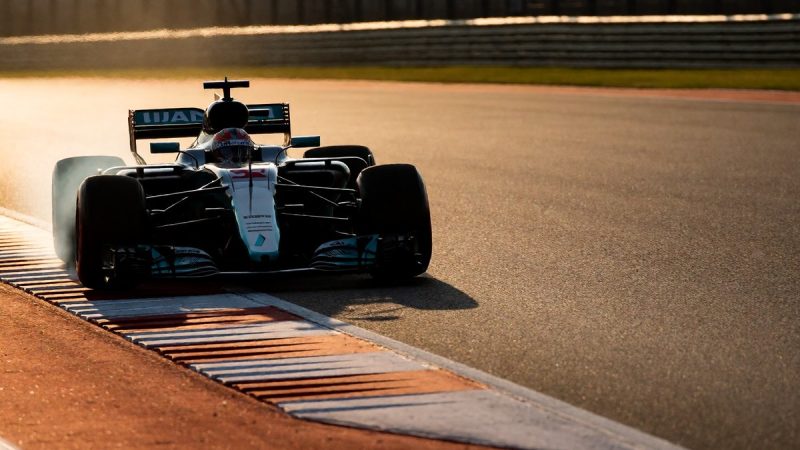
The movement of the front and rear wings changes the car’s handling characteristics. In low-drag mode, the uppermost front wing elements drop down. The rear wing top element also moves. This transition reduces drag to improve efficiency. However, the loss of downforce at the front and rear creates a balance shift. The center of pressure moves, which makes the cars nervous at high speeds.
The 2026 cars will have a 3400mm wheelbase. This is 200mm shorter than the 3600mm wheelbase used in 2025. The cars are also 100mm narrower. These smaller dimensions mean the cars are more agile. But they also mean the aerodynamic platform is more sensitive. The FIA has reduced downforce by 30% and drag by 55%. This reduction aims to improve racing, but it increases the risk of unpredictable behavior.
A sudden change in aero load can cause a car to lose grip instantly. If the active aero does not react correctly to a driver’s movement, the car may behave erratically. This is why the FIA introduced the concept of Straight Mode and Corner Mode. The goal is to provide a predictable platform. Yet, the transition between these modes remains a technical challenge. The FIA uses a nose-mounted camera to monitor the deformation of the wings. This camera helps the FIA observe how the bodywork reacts to aerodynamic loads.
The death of driver skill
Fernando Alonso claims that driver skill is no longer necessary in the 2026 era. He said in the media pen at Suzuka that 50% of the team could drive the car. High-speed corners like Degna or R130 act as charging stations for the battery. Drivers must drive at 98% throttle to ensure the hybrid motor deploys energy correctly. If a driver lifts slightly through a corner, they suffer a significant performance loss.
The 50/50 power split between the internal combustion engine and electrical power creates unpredictable closing speeds. Drivers do not choose when to attack anymore. The system dictates the deployment based on algorithms and battery levels. This makes overtaking an unintentional by-product of energy imbalances. I find this shift away from driver instinct to be one of the biggest flaws in the regulations.
The unpredictable nature of energy deployment is a safety concern. Carlos Sainz warned that the regulations could lead to a huge accident. The cars gain or lose power based on the state of the battery. This creates dangerous closing speeds that drivers cannot anticipate. This was seen during the Japanese Grand Prix at Suzuka. Drivers had to manage energy deployment carefully to remain competitive. The once fearsome high-speed corners now require careful management of the hybrid motor.
Flexi-wing scrutiny and investigations
Red Bull filed complaints against Ferrari and McLaren regarding rear wing compliance. They claim the components show excessive flexibility. This flexibility provides an illegal aerodynamic advantage. The FIA is investigating the Ferrari factory in Maranello and the McLaren factory in Woking. The goal is to verify that the wings comply with technical regulations.
The FIA uses a camera to monitor wing deformation during races. They want to ensure the components do not bend more than the rules allow. Technical directive TD018 aims to reduce permitted flexibility from 15mm to 10mm. The FIA has been monitoring front wing deformation for several seasons. They use a sideways view from a nose camera to gather data.
The investigation into bodywork flexibility is ongoing. Teams like Mercedes and McLaren have faced scrutiny for their wing designs. The FIA wants to ensure a level playing field for all competitors. However, some teams argue that these investigations are attempts to target specific car designs. Red Bull continues to discuss these issues with the FIA. They want to ensure that no team gains an unfair advantage through aeroelasticity.
Dimensions and weight trade-offs
The 2026 cars are designed to be lighter and more nimble. The minimum weight is 768kg. This is a 32kg reduction from the 800kg limit in 2025. The FIA achieved this by reducing the size of the car and the weight of the power unit components. However, the power unit itself is heavier. The MGU-K weight increased from 7kg to 20kg. The battery weight increased from a range of 20-25kg to a minimum of 35kg.
The chassis must compensate for this increased engine weight. The FIA planned to remove 40kg to 50kg from the chassis. This should keep the total car weight lower than previous generations. The wheelbase is 3400mm. The width is 1900mm. The front tyres are 25mm narrower than last year. The rear tyres are 30mm narrower. These changes affect the contact patch and grip levels.
| Specification | 2025 Value | 2026 Value |
|---|---|---|
| Minimum Car Weight | 800kg | 768kg |
| Maximum Wheelbase | 3600mm | 3400mm |
| Maximum Width | 2100mm | 1900mm |
| MGU-K Power Output | 120kW | 350kW |
| Battery Energy Cap | 4MJ | 8.5MJ |
| Front Tyre Width | Base | -25mm |
| Rear Tyre Width | Base | -30mm |
The narrower tyres and shorter wheelbase create a different handling profile. Drivers feel the difference in weight behind the wheel. They report improved handling despite the lower downforce. But the smaller contact patch of the tyres can impact grip. This makes the cars more sensitive to track conditions.
Cost cap and reliability concerns
Mercedes and Ferrari are using Additional Development and Upgrade Opportunities (ADUO) to manage performance. Toto Wolff said Mercedes may take a grid penalty at Monza to introduce an upgraded power unit. Mercedes is working on an upgrade for the combustion chamber, turbocharger, and Petronas fuel. Reliability remains a major issue for the top teams.
The 2026 cost cap is $215 million. The power unit cost cap is $190 million. These limits include research, development, and production. The increase in the cap accounts for the complexity of the new hybrid units. The new engines are more expensive to develop because of the 50/50 power split.
A sensor failure or a crash has a direct impact on the budget. If a sensor glitch causes a crash, the cost of the new parts comes from the development budget. This puts teams in a difficult position. They must balance performance upgrades with the risk of financial penalties. I find the link between technical reliability and the cost cap to be a growing pressure point for teams.
The overtaking dilemma
The Overtake Mode is the primary tool for passing in 2026. This mode allows drivers to bypass the electric power reduction curve. The 350kW from the hybrid stays available up to 290km/h. It reduces to 105kW at 339km/h. The Overtake Mode allows 350kW of power up to 337km/h. This provides an additional 200kW of energy when the car reaches 345km/h.
Drivers can only use this mode if they are within one second of the car ahead. They must reach the detection point within that distance. The mode is available on the following lap. This is intended to help the car behind gain ground even when DRS is less effective.
The FIA is managing how much MGU-K power can be deployed. They do not want cars to reach 400km/h on straights. The power tapers off at 340km/h to prevent dramatic deceleration. The goal is to keep racing close and exciting. However, the reliance on a specific power profile makes the cars sensitive to battery management.
Does the SECU’s control of the wings and power deployment negate the skill of the driver?
The 2026 regulations represent a massive shift in Formula 1 technology. The combination of active aerodynamics, increased electrical power, and new cost caps creates a volatile environment for teams. The FIA continues to monitor the legality of wing flexibility and the stability of the aero platforms. The transition to the new era is far from settled.