Mercedes vs Ferrari: The battle for downforce efficiency at COTA
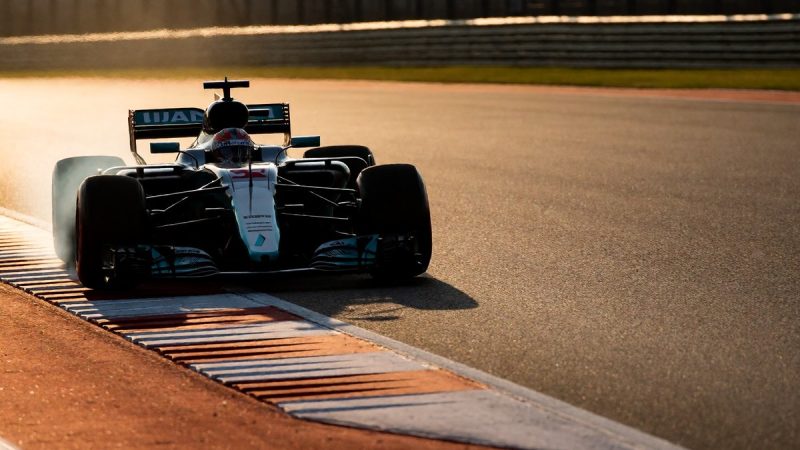
Ferrari's high-rake philosophy and flexible suspension provide superior floor stability on bumpy tracks like COTA. While Mercedes focuses on sidepod airflow conditioning, Ferrari utilizes a high-temperature engine to reduce cooling mass and improve aerodynamic efficiency.

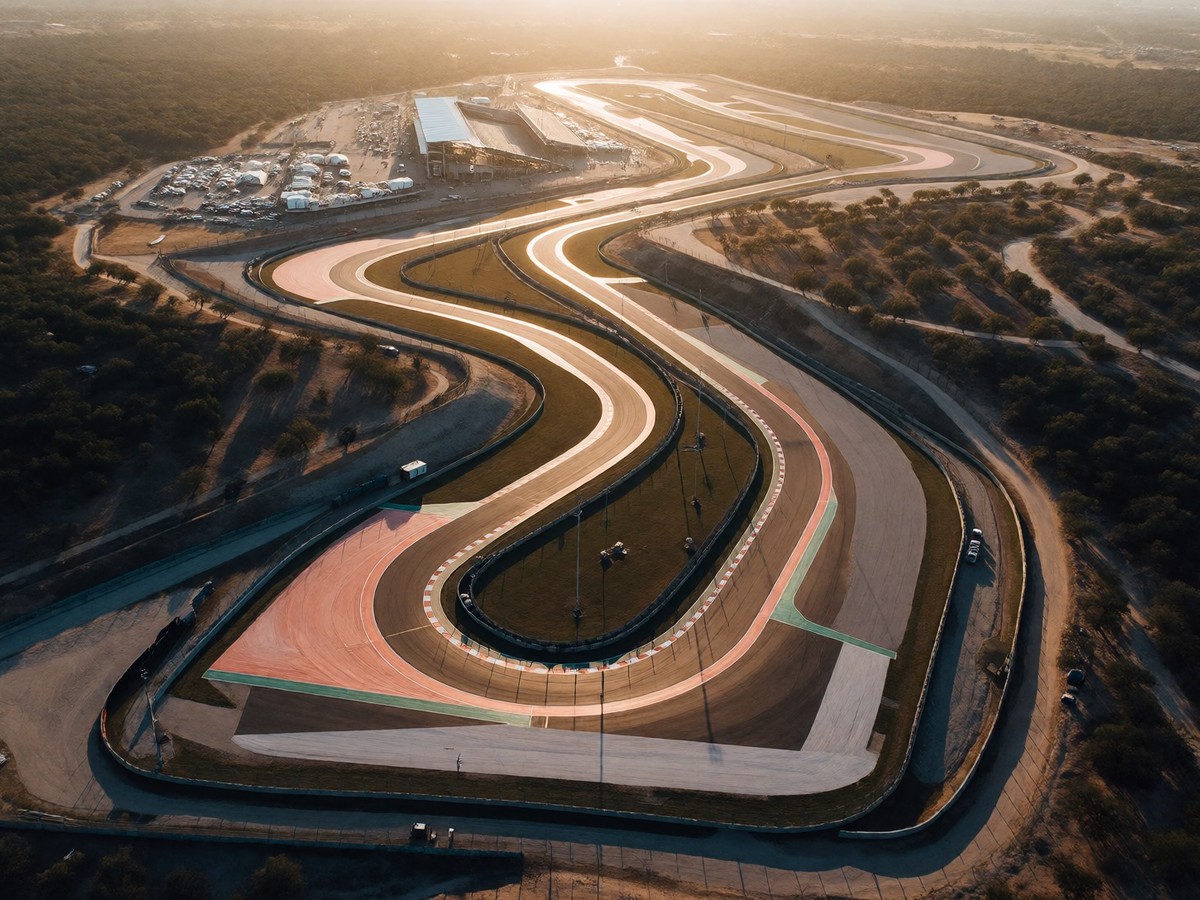
The extreme bumps at the Circuit of the Americas between turns 2 to 10 and 12 to 16 dictate how teams manage downforce. COTA recently completed a large-scale resurfacing to address these issues using ground penetration radar and laser mapping. Because the track surface remains uneven, the interaction between a car’s floor and the surface becomes the primary performance factor. Mercedes and Ferrari approach this through divergent aerodynamic and cooling philosophies. Mercedes focuses on airflow conditioning via sidepod design, while Ferrari prioritizes a high-temperature engine and flexible suspension to stabilize the floor. You know the difficulty of managing a car on a bumpy surface like Austin.
The Mercedes approach to airflow conditioning
Mercedes trackside engineering director Andrew Shovlin notes that sidepod design interacts heavily with the floor. The floor generates most of the downforce. Mercedes uses sidepod shapes to condition the airflow before it reaches the underfloor. This approach requires careful resource management due to the cost cap and limited wind tunnel time. The team must decide where to search for performance to ensure development remains fruitful. The Mercedes development path involves managing how the air moves around the car to target specific efficiency levels. This strategy relies on the relationship between the sidepod contours and the floor’s performance.
Mercedes previously utilized a zero sidepod concept that prioritized extreme aerodynamic profiles. This concept differed from the downwash sidepod styles used by Red Bull. The team recognizes that the sidepod’s appearance influences the air conditioning for the underfloor. During the 2026 season, Mercedes continues to evaluate how these aerodynamic structures impact the overall downforce stability. The goal remains to maximize the efficiency of the air that hits the ground-effect tunnels.
Ferrari’s thermal and aerodynamic trade-off
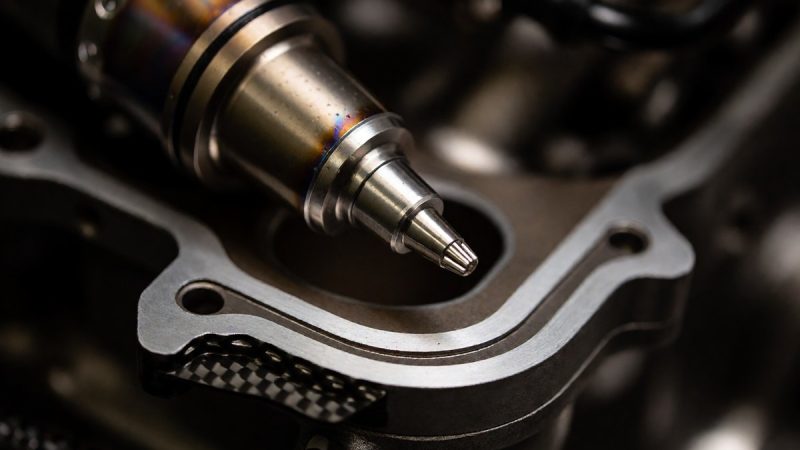
The Ferrari 067/6 engine operates at temperatures above 100 degrees Celsius. This is higher than the 70 to 80 degrees Celsius common for other power units. Ferrari sacrifices 10 to 12 horsepower to reach these temperatures. This thermal strategy allows for reduced cooling masses in the sidepods. Smaller cooling masses permit more extreme bodywork contours. Because Ferrari designs its car as a fully integrated package under one roof, the team optimizes the relationship between engine architecture and aerodynamic packaging, allowing engineers to refine bodywork shapes and gain aerodynamic advantages through cleaner airflow management.
This high-temperature operation allows the SF-26 to maintain cleaner airflow around the rear of the car. The reduced need for massive cooling inlets means the bodywork can stay tighter to the chassis. Ferrari also uses a turbocharger that is 10 mm smaller than the Mercedes equivalent. This smaller turbo improves responsiveness at low engine speeds. However, the smaller turbo decreases effectiveness when the car requires maximum top speed. The Ferrari team uses these technical compromises to gain an edge in aerodynamic efficiency.
The Flick Tail Mode and rear load
The Flick Tail Mode (FTM) generates extremely high rear-end load. This provides a 0.5 second performance advantage. The FTM system integrates deeply with the car’s diffuser configuration and the gearbox architecture. This integration makes the concept difficult for rival teams to copy. Ferrari uses this system to compensate for the power deficit in the internal combustion engine. The FTM works to increase stability at the rear of the car.
The FTM remains a controversial topic in the paddock due to its potential impact on the 2027 regulations. If the FIA decides to outlaw the FTM concept, Ferrari’s technical direction faces a setback. The device provides a way to manage the car’s aero balance through different speed regimes. Will the FIA outlaw the FTM concept to prevent future paddock disputes? Currently, the Scuderia relies on this rear-end load to maintain competitiveness.
Flexible suspension and floor stability
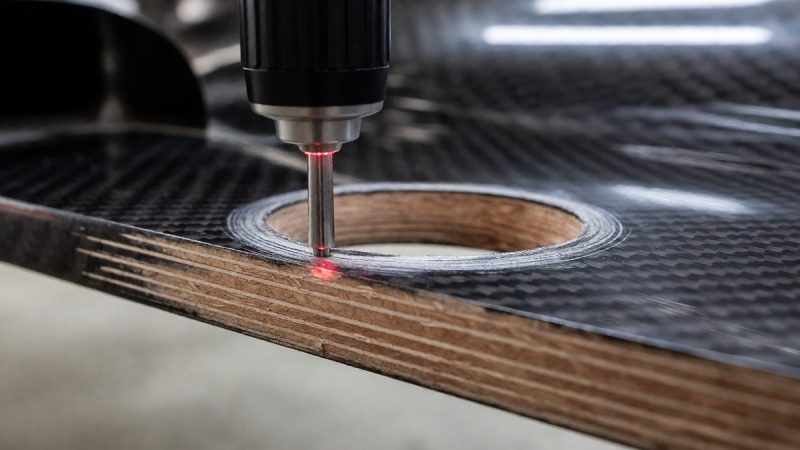
Technical director Loic Serra designed the 2026 suspension with flexible carbon fiber layers. These layers allow the suspension arms to deform at speed. The flexibility helps the car absorb bumps and improves mechanical grip. This setup maintains stability and reduces tyre degradation. The FIA conducts static tests on the upper front suspension wishbones. Ferrari’s design passes these tests while the arms deform under load. This helps prevent the ride height problems that plagued the 2025 season.
Ferrari’s 2025 season was a failure. The team struggled with ride height and floor plank wear, which led to the disqualification of Lewis Hamilton at the Chinese Grand Prix. To correct this, the team returns to push-rod suspension for 2026. The move away from the pull-rod setup used in 2025 aims to provide better control over the car’s platform. This flexibility in the suspension works to mitigate the impact of the bumps at COTA.
The 2026 aerodynamic and weight regulations
The 2026 regulations change the car dimensions and weight. The minimum weight drops to 768kg from the previous 798kg. The wheelbase shrinks to 3400mm. The width decreases to 1900mm, and the floor width drops by 150mm. These changes create more agile cars. The 2026 cars also use active aerodynamics. This includes movable front and rear wings. The cars use Z-mode for racing and X-mode for straights to reduce drag.
The 55% decrease in drag helps to compensate for the reduction in internal combustion engine power. The power split in 2026 is roughly 50-50 between the internal combustion engine and the battery. The internal combustion engine power drops to 400 kW. The electric component increases to 350 kW. The removal of the MGU-H also changes how teams manage energy. These regulations force every team to rethink their aerodynamic philosophy.
| Specification | 2026 Regulation Value |
|---|---|
| Minimum Weight | 768 kg |
| Wheelbase | 3400 mm |
| Car Width | 1900 mm |
| Floor Width Reduction | 150 mm |
| Downforce Reduction | 30% |
| Drag Reduction | 55% |
| ICE Power | 400 kW |
| Electric Power | 350 kW |
Engine performance and the ADUO system
The FIA measures engine performance every six races. This measurement determines if a manufacturer needs an upgrade. If a manufacturer is 4% or more behind the leading unit, they receive two upgrades in each period. Ferrari currently sits within 0.5% of the Mercedes engine in qualifying. This close margin means Ferrari is not as far behind as the power deficit suggests.
The 2026 regulations also involve a change in compression ratios. The FIA reduced the maximum compression rate from 18.0:1 to 16.0:1. Mercedes allegedly found a loophole in Article C5.4.3 that gives them a 0.2 second advantage. This advantage comes from how the FIA measures the new ratio. Ferrari aims to use the ADUO system to close the engine gap. The ADUO provides an opportunity for the Scuderia to recover horsepower.
Ferrari’s high-rake philosophy wins at COTA
The comparison of downforce efficiency at COTA depends on how well the car handles the surface. Mercedes focuses on the airflow conditioning through the sidepods. This strategy works well in clean air and on smooth surfaces. However, the bumps at COTA demand a car that can maintain floor stability. Ferrari’s philosophy addresses this through the combination of high-temperature engine cooling and flexible suspension.
The Ferrari approach allows for smaller cooling masses, which creates cleaner airflow. The flexible suspension arms absorb the bumps that hit the floor. The FTM system provides the necessary rear-end load to keep the car planted. Ferrari’s high-rake philosophy wins the efficiency battle at COTA.