FIA implements 2026 technical regulation refinements
The FIA updated 2026 technical regulations to address safety and performance issues following feedback from drivers like George Russell. Key changes include reducing maximum battery recharge from 8MJ to 7MJ and increasing peak superclip power to 350kW to improve car handling.

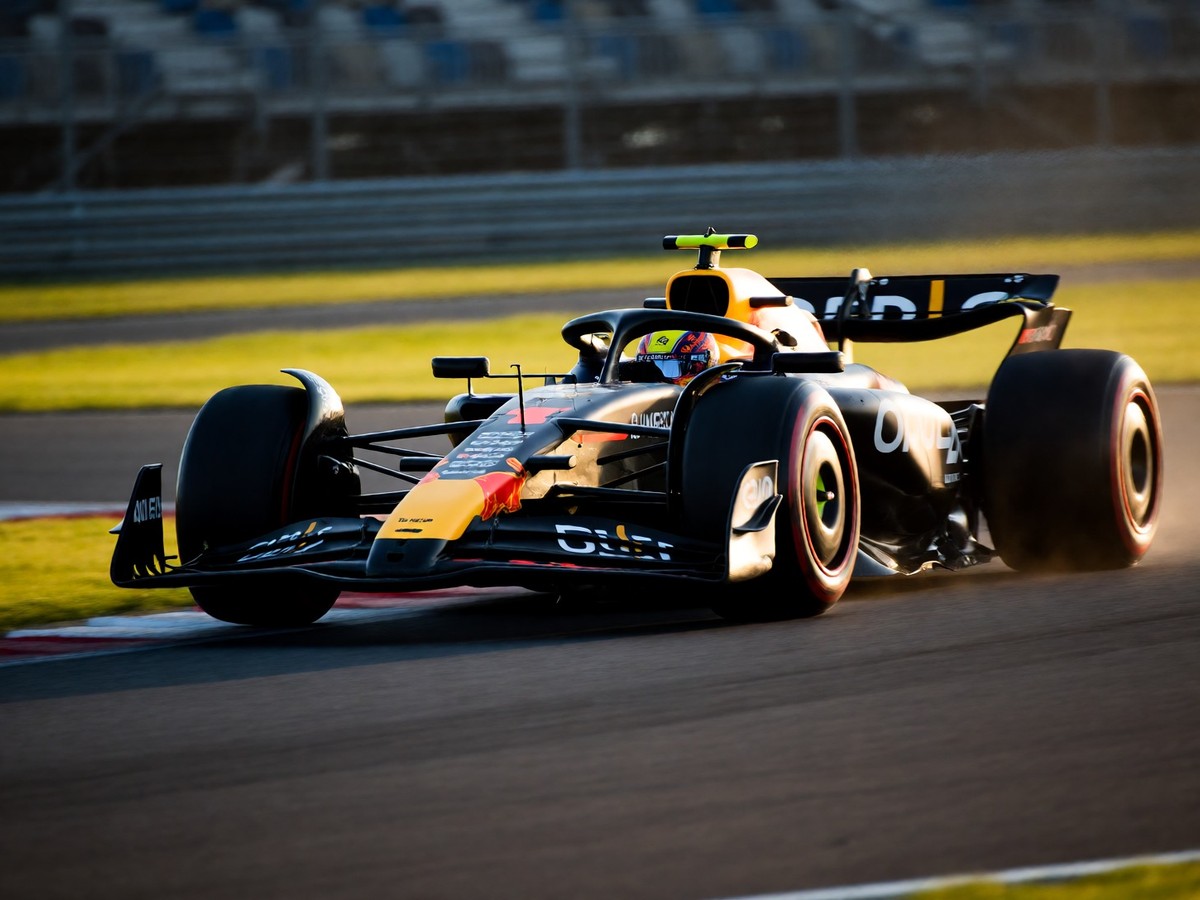
The FIA implemented mid-season refinements to the 2026 technical regulations to address performance discrepancies found during the first three events in Australia, China, and Japan. These updates follow a high-level meeting involving the FIA, Team Principals, CEOs of Power Unit Manufacturers, and Formula One Management. The adjustments target improved qualifying spectacles, reduced closing speeds between cars, decreased start-line collision risks, and improved car behavior in wet weather. These changes follow a period of discussion where drivers and team principals expressed concerns regarding the 2026 car configuration. Some drivers, including George Russell, specifically noted safety risks regarding increased top speeds caused by a 55% reduction in drag and a 30% reduction in aerodynamic downforce.
Energy harvesting and superclip adjustments
The FIA adjusted energy management parameters to prevent excessive harvesting during qualifying. The maximum permitted battery recharge per lap dropped from 8MJ to 7MJ. This change encourages drivers to maintain more consistent flat-out driving. The adjustment targets a maximum superclip duration of approximately 2 to 4 seconds per lap. Previously, superclipping involved using the MGU-K in reverse to charge the battery while the driver remained at full throttle. The FIA increased the peak superclip power from 250kW to 350kW. This increase reduces the amount of time drivers spend recharging and limits the awkward handling characteristics associated with prolonged harvesting.
The reduction in permitted energy recharge also influences how drivers manage the battery. Since the usable capacity of a battery in an F1 car reaches 4MJ, drivers previously attempted to charge the battery multiple times per lap to maintain power on straights. With the new 7MJ limit, drivers aim to charge the battery approximately one and three-quarter times per lap. This modification aims to reduce the frequency of high-speed corners where the car previously slowed significantly during the harvesting process. The FIA also expanded the number of races where alternative, lower energy limits may apply from 8 to 12. This allows the governing body to adapt to circuit characteristics at half of the calendar events.
MGU-K deployment and boost limitations
The FIA modified MGU-K deployment to manage speed differentials across the track. Drivers still utilize 350kW of deployment in key acceleration zones, which include corner exits and overtaking zones. However, the regulations now limit deployment to 250kW in other parts of the lap. This change prevents massive speed differentials in non-passing zones where overtaking remains less likely. The maximum power available through the Boost feature during race conditions now carries a cap of +150kW. This limit applies if the car’s current power level at activation is higher than 150kW.
The regulation prevents sudden, unpredictable spikes in speed that could catch following drivers off guard. Previously, the Boost allowed drivers to access the full 350kW of the MGU-K. This capability meant cars could shift from minimal electric power to full electric power instantaneously. The current cap ensures overtaking remains viable while reducing the danger of excessive closing speeds. You already know that managing the complex balance between electrical energy and aerodynamic drag dictates the race strategy. These new limits force drivers to work more with the electrical energy profiles provided by their teams.
The low power start detection system
The FIA developed a low power start detection system to mitigate start-related risks. This sensor-based technology identifies cars with abnormally low acceleration shortly after the clutch is released. When the system detects this condition, it triggers an automatic MGU-K deployment to ensure a minimum level of acceleration. This mechanism prevents a driver from becoming a sitting duck for following cars. The deployment does not provide a sporting advantage as it only addresses the lack of acceleration.
The system also introduces a visual warning component for safety. Flashing lights on the rear and lateral sides of the affected car activate to alert following drivers. This allows those drivers to take necessary evasive action. This failsafe addresses the volatility of getting 2026 cars off the line due to complex energy management. A stall or bog-down on the grid poses significant dangers in this era of high-torque delivery. The energy counter also received a reset at the start of the formation lap to correct a system inconsistency. This ensures all drivers start the race with the same energy parameters regardless of their position relative to the timing line.
Wet weather management and visibility
The FIA addressed driver feedback regarding poor performance in wet conditions. Drivers reported difficulty generating temperature and grip due to the high-torque delivery of the new power units. To combat this, the FIA increased the tyre blanket temperatures for intermediate tyres. This change improves initial grip when drivers exit the pits on a wet track. The FIA also reduced maximum ERS deployment in wet conditions to limit torque. Reducing the raw electrical torque reaching the rear wheels improves traction and car control in low-grip scenarios.
The rear light systems underwent simplification to improve visibility. The new lights provide clearer and more consistent visual cues for drivers following in heavy spray. These lights also communicate the energy deployment status of the car ahead. This helps prevent drivers from being caught by surprise if a car in front stops deploying electrical energy and slows down. The modifications aim to reduce reaction times during poor weather conditions.
| Specification | Value/Limit |
|---|---|
| Minimum Car Weight | 768kg |
| Maximum Wheelbase | 3400mm |
| Maximum Width | 1900mm |
| Front Tyre Width Reduction | 25mm |
| Rear Tyre Width Reduction | 30mm |
| Roll Hoop Load | 20G |
| Test Load | 167kN |
| ICE Power Output | 400kW |
| ERS Power Output | 350kW |
| Peak Superclip Power | 350kW |
| Maximum Boost (Race) | +150kW |
Aerodynamic and weight constraints
The 2026 regulations follow a philosophy of a nimble car. This concept aims to reduce the trend of larger, heavier machines to improve racing quality. The minimum weight limit for the 2026 cars settled at 768kg. This represents a 30kg reduction compared to the previous generation. The wheelbase decreased by 200mm to a maximum of 3400mm. The overall width of the car also dropped by 100mm to 1900mm. These changes aim to make the cars more responsive for drivers and reduce dirty air.
The aerodynamic profile utilizes active aerodynamics to manage drag and downforce. The front and rear wings change configuration between two modes. X-Mode provides a low-drag configuration for straights, while Z-Mode provides a high-downforce setting for corners. The rear wing contains three movable elements. The beam wing was removed, and the end plates were simplified. The front wing is 100mm narrower and uses a two-element movable flap. The reduction in aerodynamic load reached 30%, while aerodynamic resistance decreased by 55%. These adjustments facilitate the goal of allowing following cars to retain roughly 90% of their downforce.
Driver communication and sensor mitigation
The FIA issued fresh guidelines regarding radio communication limits to prevent teams from gaining performance advantages. If a team warns a driver about a car problem, the message must include an irreversible instruction to enter the pits or retire the car. This rule prevents teams from using potential safety issues to manipulate race strategy. The FIA also made it the responsibility of teams to prove that instructions to fix critical problems do not enhance performance.
Teams may instruct drivers to select driver defaults to mitigate the loss of function of a sensor, actuator, or controller. This is only permitted if the onboard software failed to detect or handle the degradation. The team must satisfy the FIA technical delegate that the new setting does not enhance performance beyond the prior state. Rules regarding information about car damage also became stricter. Teams can only tell drivers about broken bodywork rather than other specific components. The FIA radio restrictions now only apply when the car is out of the pitlane. This allows drivers to receive instructions to fix issues while descending the pitlane without needing to enter the garage.
Will these adjustments successfully balance the need for high-speed excitement with the safety requirements of the next generation of cars?