FIA 2026 wheel nut torque telemetry for pit stop failure prediction
Predictive failure models for the Qatar race integrate torque and position sensor data to prevent cross-threading. The FIA TD22A regulation mandates a 0.15 second minimum reaction time for mechanics to ensure electronic verification of wheel nut tightness.

The FIA technical directive TD22A mandates that mechanics must not react to a wheel nut tightening in less than 0.15 seconds. This rule exists to prevent the team from speculating on the completion of a stage before the sensor confirms the action. You already know that a sub-two-second stop requires absolute precision, but the 2026 regulations add a layer of electronic verification to prevent the mechanical failures that have plagued teams in the past. To implement a predictive failure model for the upcoming race in Qatar, a team must integrate two specific data streams from the pneumatic wheel gun: the torque sensor reading and the position sensor reading.
Integrating dual sensor telemetry
The first step in predicting a pit stop failure involves the synchronization of the torque sensor and the position sensor. A torque sensor measures the rotational force to confirm the nut reaches the required tightness. The position sensor monitors the movement of the nut to ensure it traveled the correct distance on the thread. Using only a torque sensor presents a risk because a gun can reach the target torque if the nut is cross-threaded. This specific failure occurred for Haas in Australia when they experienced two instances of cross-threading despite the torque readings appearing correct.
The team must feed both the torque value and the nut position displacement into a real-time processing unit. If the torque reaches the target but the position sensor does not report the expected travel, the system identifies a cross-thread risk immediately. This data allows the chief mechanic to abort the release before the car enters the pit lane. The system compares these two values against the historical profiles of a successful nut engagement. If the deviation between the expected position and the actual position exceeds a set threshold, the software flags a potential failure.
The technician monitors the torque sensor to confirm the nut reaches the correct tightness while simultaneously checking the position sensor to ensure the nut traveled the full distance required to prevent a cross-threaded failure.
Managing the electronic handshake and timing delays
Once the sensors confirm the nut is secure, the system follows a strict automated sequence. The electronic handshake begins when the gunner’s sensor signal verifies the tightness at all four corners. This signal triggers the automated jacks to drop the car. However, the 2026 regulations introduce a mandatory 0.2-second delay between the moment the final signal is given and the all-clear for the driver to leave the pit box. This delay prevents the crew from bypassing the safety checks through pure physical speed.
To use this telemetry for prediction, the pit wall must monitor the latency between the sensor trigger and the jack drop. If the delay is too short, the software identifies a breach of the TD22A regulation. The team must calibrate their software to account for this 0.2-second buffer to ensure the driver does not receive a green light prematurely. Any deviation in this timing suggests a failure in the automated logic or a mechanic attempting to bypass the sensor-driven safety protocol.
The chief mechanic monitors the electronic handshake where the gunner’s sensor signal confirms the nut is secure, allowing the automated jacks to drop and the overhead gantry light to flash green for the driver.
Analyzing crew performance through sensor data
A standard pit stop requires roughly 20 to 22 people to swarm the car. This group includes 12 wheel crew members, with three dedicated to each corner. The crew also contains two primary jack operators for the front and rear, as well as two steadiers to brace the chassis. Two additional mechanics handle front wing adjustments if the driver reports aero issues. Finally, the chief mechanic supervises the entire operation and triggers the release light.
The telemetry from the wheel guns provides a way to analyze the individual efficiency of the gunners. By measuring the exact millisecond each gun engages the nut, engineers can identify inconsistencies in the application of force. If one corner consistently shows a slower engagement time, it may indicate a degrading pneumatic line or a mechanical issue with the gun’s internal shuttle. This data allows the team to replace equipment before it fails during a live race.
Teams also monitor the physical positioning of every mechanic through high-frame-rate video that they sync with the wheel gun telemetry. If the time between the gunner’s button press and the jack drop fluctuates, the team identifies a breakdown in the choreographed sequence. This data helps refine the training of the 12 mechanics responsible for the wheels.
Technical specifications for pit stop automation
The hardware used in the pit box must meet strict technical requirements to ensure the telemetry data remains reliable. The following table lists the specific parameters and components involved in the 2026 pit stop process.
| Equipment Component | Technical Specification / Requirement |
|---|---|
| Wheel Nut Material | Aerospace-grade titanium |
| Tire Blanket Temperature | Approximately 158°F |
| Removed Tire Weight | Roughly 22 lb |
| Minimum Mechanic Reaction Time | 0.15 seconds |
| Automated Release Delay | 0.2 seconds |
| Mirror Light Activation Speed | Below 12.4 mph (20 kph) |
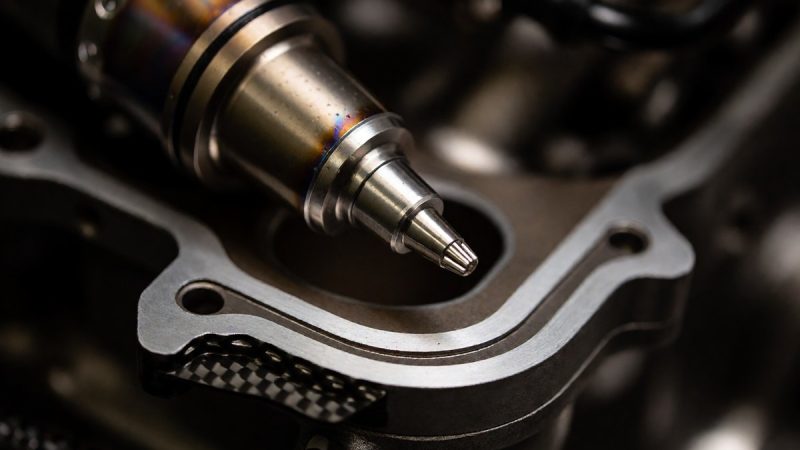
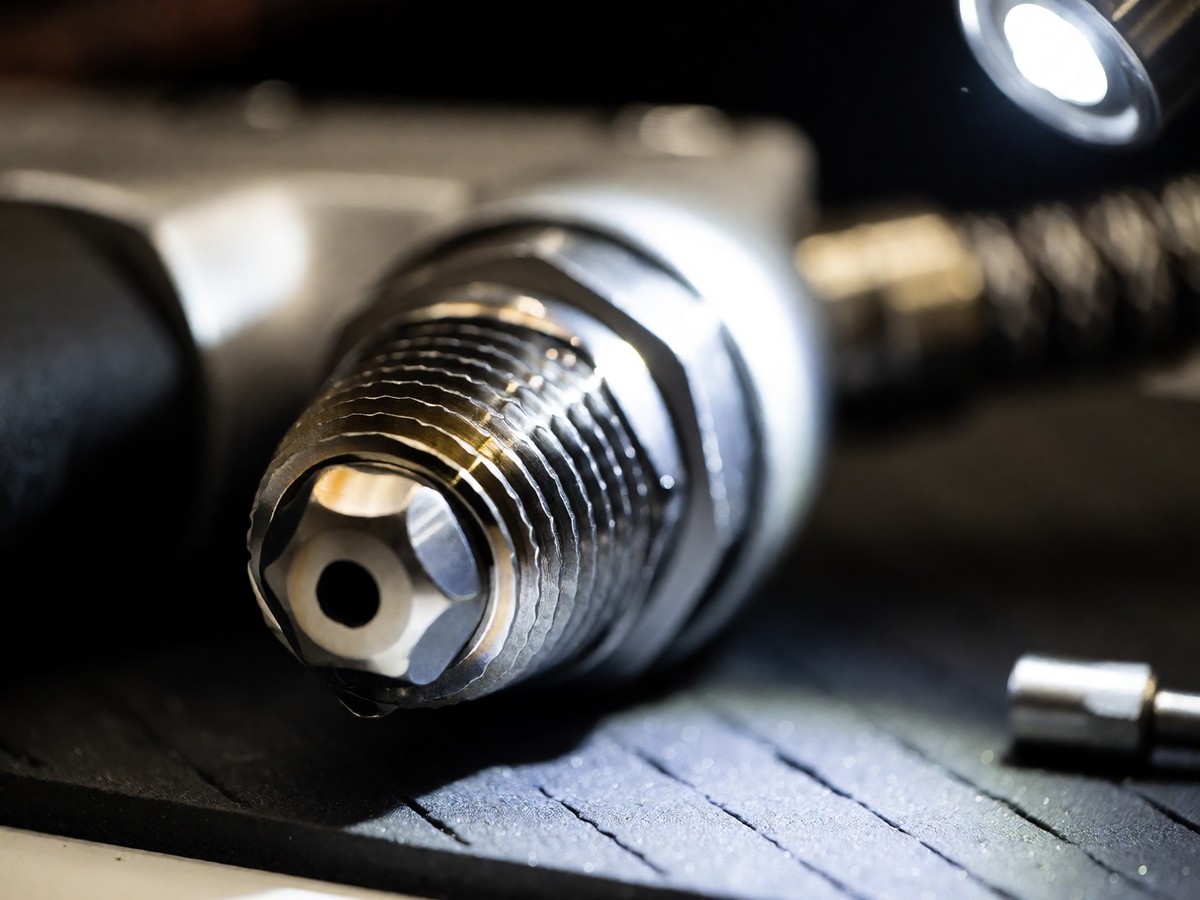
The titanium wheel nuts feature an aggressive thread profile so the gun socket connects without slipping. Because the nuts are captive to the wheel hub, the team does not worry about losing components on the tarmac. The pneumatic guns must deliver massive torque in a single burst to secure the nut.
Utilizing car-mounted lights for status verification
Predicting a failure also involves interpreting the status lights on the car. In 2026, cars use amber lateral safety lights on the wing mirrors that switch on when the vehicle drops below 12.4 mph (20 kph). These lights provide a visual confirmation of the car’s state to the crew. If the mirror lights stay on while the driver attempts to accelerate, the team knows the car is still in neutral or has a sensor fault.
The rear wing endplate lights copy the pattern of the Rear Impact Structure (RIS) light to provide a redundant signal. This redundancy helps the crew verify that the car is stationary and the ERS is in the correct state. The RIS light links to race control and can show Safety Car status. If the telemetry from the wheel gun suggests a successful stop but the car-mounted lights show a different electrical state, the chief mechanic must hold the driver.
The team uses the sensor data to ensure the driver does not receive a green light if the car-mounted lights indicate an active electrical risk.
Processing real-time sensor arrays
Modern F1 teams use a cloud-based AI system to process the data from over 300 sensors inside the car. This includes sensors that monitor tire wear and engine pressure. The pit wall uses this information to call the stop on the perfect lap. When the wheel gun sensors send their data, the system integrates this with the live tire temperature readings.
If the telemetry shows the tire blankets have not brought the rubber to the required 158°F, the team may delay the release to prevent loss of traction. The predictive model combines the torque sensor data with the tire pressure sensors. This combination helps the team understand if a wheel nut is being seated against a tire that is expanding or contracting due to temperature changes.
The AI analyzes the relationship between the pneumatic pressure in the gun and the torque achieved on the nut. If the pressure drops, the system predicts a failure to reach the required torque before the nut is even fully seated.
Managing visual signals in the pit lane
The pit lane signaling panels provide a digital interface for the release instructions. These panels aim to reduce mixed signals between the pit wall and the crew. In the 2026 season, digital release displays help avoid unsafe releases into traffic. If the digital panel shows a hold instruction while the gunner is pressing the button, the chief mechanic must resolve the conflict immediately.
The effectiveness of these panels depends on the timing data provided by the FIA. During the 2026 Monaco Grand Prix, pit-lane timing failures caused issues with the digital signaling infrastructure. A team preparing for Qatar must ensure its local digital display is perfectly synced with the FIA timing to avoid a mismatch between the sensor data and the release signal.
The team must prepare for the specific data formats that the FIA dictates for the upcoming race in Qatar. How will teams adjust their software when the FIA introduces even more stringent automated constraints next season?