Dirty air: how following another car costs lap time
Turbulent wake reduces downforce for the chasing car. Here is how much and why the rules tried to fix it.

Turbulent wake reduces downforce for the chasing car. Here is how much and why the rules tried to fix it. Data never tells the full story on its own, but it does rule out a lot of narratives. Good analysis starts with what the numbers cannot support.
What the wake does
We use publicly available timing data and explain our method, so readers can check the reasoning rather than take it on trust.
Lap times are averages of many small effects. To understand pace, we split laps into corners, straights and traction zones.
Fuel load costs roughly a few hundredths per lap per kilogram, so stint comparisons need correcting before drawing conclusions.
FormulaKite editorial note
The ground effect era
Tyre degradation is rarely linear. A compound can hold for twenty laps and then fall away within three when the thermal window closes.
- Aerodynamics is the key factor in this section.
- Overtaking explains most of the remaining differences.
- Context from previous seasons helps judge how unusual it is.
Fuel load costs roughly a few hundredths per lap per kilogram, so stint comparisons need correcting before drawing conclusions.
Why overtaking is still hard
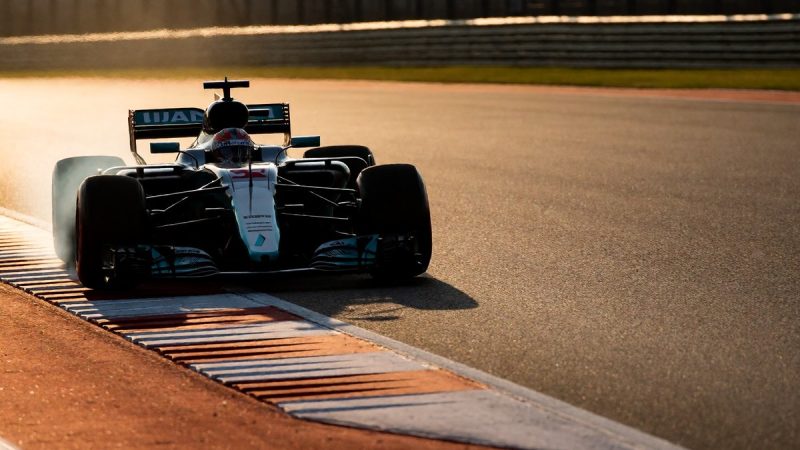
Traffic distorts everything. A driver stuck in dirty air loses downforce, overheats tyres and posts lap times that hide true pace.
Data never tells the full story on its own, but it does rule out a lot of narratives. Good analysis starts with what the numbers cannot support.
This is demo content created to preview the FormulaKite theme. It will be removed before launch.