Analyzing 2026 cockpit cooling duct airflow for driver performance
Engineers must optimize 2026 cockpit cooling to prevent physiological collapse in extreme heat. Research shows that suit blowers with cold air are the most effective method, helping participants maintain a core temperature of 34.85 degrees Celsius during intense exercise.

Establishing the Thermal Environment
The cockpit temperature in Qatar can exceed 50 degrees Celsius. This heat creates extreme conditions for drivers. In the 2023 Qatar Grand Prix, George Russell reported cockpit temperatures at this level. During that race, Lance Stroll felt dizzy and passed out behind the wheel. Esteban Ocon vomited in his helmet. Medical officials evaluated Alexander Albon for acute heat exposure, and Logan Sargeant retired because of intense dehydration. The FIA stated that elite athletes should not compete under conditions that jeopardize their health or safety. The engine sits behind the cockpit and generates massive heat. Brakes produce temperatures up to 1,000 degrees Celsius. The aerodynamic design of the car also directs heat into the cockpit. A lack of airflow inside the cockpit increases the thermal load.
The 2026 technical regulations address the thermal challenges of modern racing. The cars are 30kg lighter, with a maximum wheelbase of 3400mm and a width of 1900mm. The power units use a 50/50 split between thermal and electrical power. The battery element provides 350kW of power. This is a significant increase compared to previous configurations. The minimum weight for these cars is 768kg. The aerodynamic design remains a primary driver of cockpit temperature. Because the aerodynamic design of the 2026 car directs heat into the cockpit and the engine generates massive thermal energy behind the driver, engineers must prioritize the efficiency of refrigerated air delivery to prevent physiological collapse.
Assessing Cooling Intervention Efficiency
I would start the analysis by measuring the delta between different cooling methods. You already know the Qatar heat makes the cockpit feel like a sauna, but the technical reality goes much deeper than simple discomfort. Engineers must compare the Suit Blower with cold air against the Cool Shirt. Research evaluating five cooling interventions shows the Suit Blower with cold air is the most effective method. Participants using this method maintained a core temperature of 34.85+/-0.11 degrees Celsius after 60 minutes of exercise. This strategy lowers skin temperature and reduces heart rates compared to the control group. The Cool Shirt provides some relief, but it does not match the performance of cold-air suit blowers.
Data from studies like the one by Davis AR et al. provides a clear hierarchy for active cooling technology. Relying on ambient air is not a viable strategy in extreme heat. The suitability of a cooling system depends on the ability to deliver refrigerated air directly into the driver’s suit. Engineers must analyze how the ducting interacts with the driver’s fire-protective gear. The heavy gear increases the thermal stress experienced by professional drivers. Effective cooling must mitigate this strain to prevent life-threatening heat exhaustion and heatstroke.
Measuring the Risks of Ambient Air Circulation
Relying on ambient air in extreme conditions is dangerous. Ambient air blowers circulate hot cockpit air over the driver. This circulation can accelerate heat storage in the body. High temperatures increase the risk of heat injury. Researchers had to discontinue trials using ambient air blowers because the cockpit air was too hot.
The risk of using ambient air is high when the cockpit temperature reaches the 50-degree mark. Engineers must avoid any cooling configuration that increases the temperature of the air reaching the driver. In a high-heat environment, circulating ambient air can accelerate heat storage instead of cooling the body. This increases the risk of heat illness. Performance analysis must prove that any new ducting designs do not inadvertently pull hot engine or brake air into the driver’s breathing zone.
Evaluating Driver Cooling System Hardware
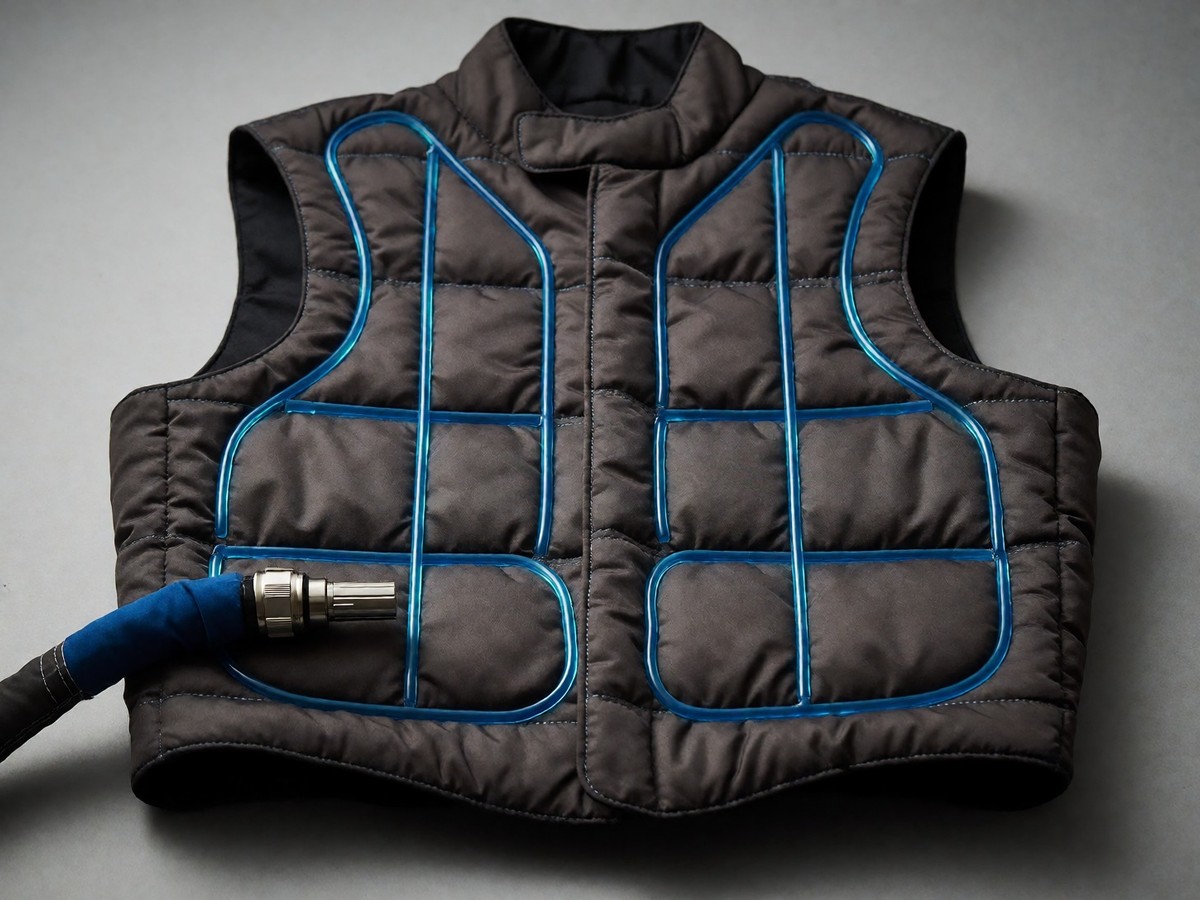
The FIA requires a Driver Cooling System when a Heat Hazard declaration is issued. A Heat Hazard occurs if the Heat Index is greater than 31.0 degrees Celsius. Engineers must account for the weight of the system components. If a driver chooses not to wear the cooling vest, the team must add 0.5kg of ballast to the cockpit. The system consists of several components that work together to manage thermal load.
| DCS Component | Technical Function |
|---|---|
| Pump | Circulates the cooling medium |
| Plumbing | Delivers fluid through the vest |
| Thermal store | Provides the refrigerated medium |
| Fireproof vest | Distributes cold fluid to the driver |
The system uses a pump to move fluid through plumbing to a thermal store. This cold fluid is then delivered to the driver via a fireproof vest that includes various tubes. Analysis of the cooling duct airflow must consider how these components occupy space within the tight packaging of the 2026 chassis.
Modeling Aerodynamic Heat Ingress
The 2026 chassis design changes the thermal profile of the car. The cars use active aerodynamics, including moveable front and rear wings. The car switches between X-mode for low drag and Z-mode for high downforce. Simulator testing of the base-spec car, nicknamed the Fangio, shows that the low-drag configuration causes instability. When the rear wing is in its most low-drag configuration and the engine is at full power, the car is difficult to drive. Drivers experience spinning on straights under acceleration. The shift in aero balance is three times larger than the current DRS effect.
The airflow patterns required for X-mode and Z-mode affect how heat enters the cockpit. The aerodynamic design directs air over the car, but it also pulls heat from the engine and brakes into the driver’s area. Engineers must model how the active wing movements change the pressure zones around the cockpit cooling ducts. A change in wing angle can alter the volume of air entering the cooling inlets. This makes the cooling performance dependent on the aerodynamic state of the car.
The power unit also contributes to the thermal load. The energy recovered during braking is 8.5MJ per lap. This energy management process involves high electrical loads. The MGU-K deployment is 350kW in acceleration zones and 250kW in other parts of the lap. These electrical components produce heat that must be managed alongside the engine’s thermal output.
Monitoring Physiological Strain Indicators
Performance optimization requires monitoring the Physiological Strain Index (PSI). High PSI levels correlate with muscle cramping and cognitive decline. In high-humidity environments like Singapore, drivers lose 3 to 4 kilograms of body weight. This loss equals about four liters of sweat. Pre-cooling strategies, such as cold-water immersion, can supplement the in-car systems. Hydration is necessary, but it cannot replace active thermal management. After a race, rapid cooling is the standard for treating heat exhaustion.
Engineers should use PSI data to validate the effectiveness of the cooling duct airflow. If the airflow is sufficient, the driver’s core temperature should remain stable. If the driver shows signs of cramping, the cooling strategy has failed. Data from the 2023 Qatar Grand Prix shows that heat is not just a discomfort but a safety risk that affects driver concentration and physical ability. Thermal management is a performance metric because a driver with a lower core temperature can maintain higher levels of focus and physical output.
Integrating Regulatory Compliance and Safety
The FIA allows the installation of a cooling scoop under extreme heat conditions. This modification responds to concerns about driver safety in high temperatures. The 2026 regulations also include strict rules for the power unit. The compression ratio is limited to 16:1. This is measured in cold conditions. From June 1, 2026, the FIA will measure it in both hot and cold conditions. The measurement in operating conditions involves a temperature of 130 degrees Celsius.
The management of the power unit affects the heat load in the cockpit. The MGU-K deployment is 350kW in key acceleration zones and 250kW in other parts of the lap. Engineers must ensure that the cooling systems do not interfere with these energy management parameters. The FIA has also addressed the compression ratio to prevent performance advantages from temperature-based measurement loopholes. The 2026 regulations represent significant changes, and the FIA continues to evaluate energy management matters.
Coordinating Data Across Performance Domains
Effective analysis requires combining meteorological data with aerodynamic and physiological metrics. Teams use satellites and on-site radar to monitor the weather. In Qatar, the heat is a constant factor in strategy. The thermal limitations of the 2026 cars depend on how the active aero manages airflow. Engineers must balance the need for low drag in X-mode with the thermal requirements of the driver. I would suggest that the integration of cold-air suit blowers remains the primary technical priority.
The complexity of the 2026 car means that cooling is no longer a separate issue from aerodynamics. The way the wings move changes the airflow into the cooling ducts. The way the engine runs changes the heat load. The way the driver reacts to heat changes the race strategy. Engineers must build a model that connects these three areas. How can teams maintain aerodynamic stability in X-mode while maximizing the cooling airflow required for driver safety?