Alonso secures Aston Martin’s first finish at Suzuka
Fernando Alonso achieved 18th place at the Suzuka Grand Prix, marking the first classified finish for Aston Martin this season. Honda engineers are simultaneously working to address severe power unit vibrations that impact driver comfort.

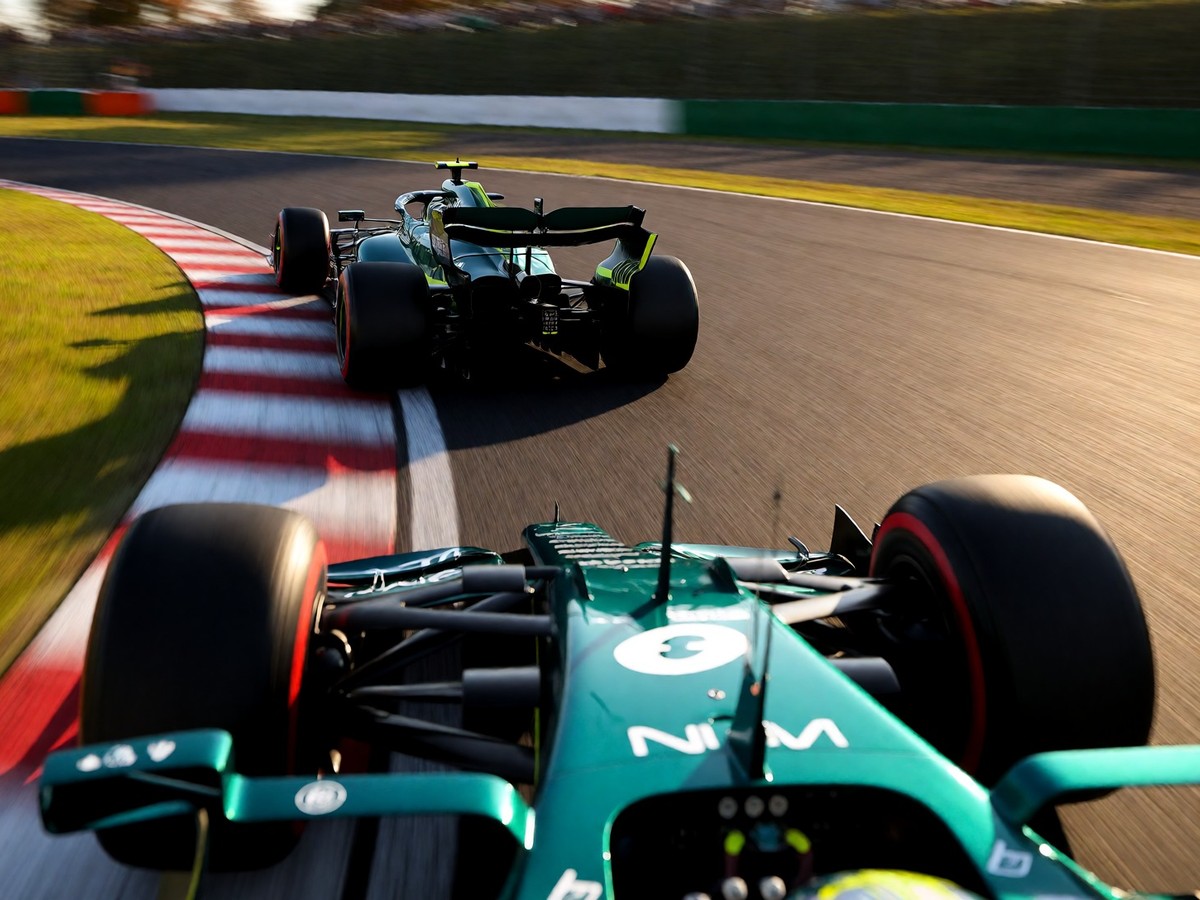
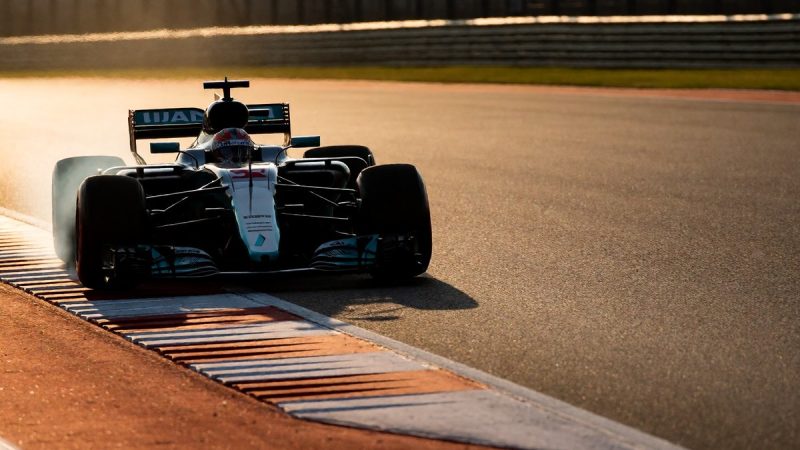
Fernando Alonso finished in 18th place at the Suzuka Grand Prix. He started the race in 21st position. He moved up the order by overtaking Valtteri Bottas at Turn 1 and Turn 2. Lance Stroll also gained a position on the first lap at Turn 6. He lost that position at Spoon Curve. He lost it again on the main straight. Stroll retired on Lap 30 because his internal combustion engine had a water pressure issue. Alonso experienced battery depletion on the main straight on Lap 8. He also had an excursion at the final chicane on Lap 50. This result is the first classified finish for the team this season. It is a positive moment for the partnership with Honda.
The race was interrupted by a safety car on Lap 22. This happened after Oliver Bearman crashed. Both Alonso and Stroll pitted at the end of that lap. They switched from medium to hard tyres to fulfill the mandatory compound change. Alonso later returned to medium tyres. He finished the race despite the difficulty of the circuit. The team achieved its target to complete the race distance.
Honda engineers address power unit vibrations
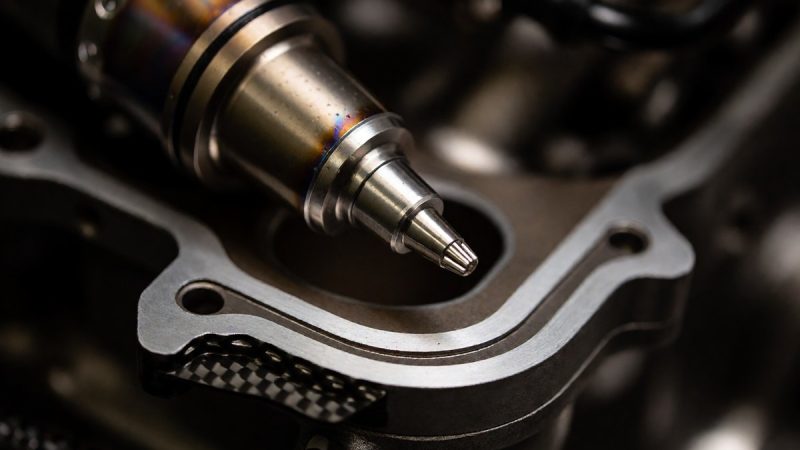
The Honda power unit produces severe vibrations that impact driver comfort. These vibrations are a major problem for the Aston Martin team. Alonso lost feeling in his hands and feet during the Chinese Grand Prix. Newey warned that these vibrations could cause permanent nerve damage to the drivers. Honda engineers at the Sakura facility used a chassis on the dyno to study the issue. They used more sensors to monitor the engine and the chassis together. This testing helps Honda understand how the vibrations transfer from the power unit to the driver.
Shintaro Orihara, the Honda trackside general manager and chief engineer, said they made progress on vibrations and the battery. The team is working on hardware changes to address the cause. They used countermeasures to mitigate the vibrations in previous races. The team is also working on the battery side of the power unit. Honda has only one team to use its engines, so data collection is slower than for Mercedes or Ferrari. The team is working hard to fix these issues before the next race.
| Specification | Value |
|---|---|
| Total Power Output | ~1,000 hp |
| MGU-K Power | 350 kW |
| ICE Power | ~400 kW |
| Fuel Target | 70 kg |
| Max Lap Energy Recovery | 8.5 MJ |
| Max Qualifying Energy Recovery | 8.0 MJ |
High speed corners act as charging stations
The 2026 energy management rules change how drivers use the throttle. High-speed corners are now charging stations for the power units. Alonso said that drivers go slow in corners to charge the battery. This allows for full power on the straights. The battery cannot sustain maximum electric output for a full lap. This is true even in qualifying. The FIA reduced the maximum qualifying recharge limit from 9.0 MJ to 8.0 MJ. This change aims to reduce super-clipping and lift-and-coast.
The relationship between driver input and vehicle output is no longer direct. Drivers must manage the energy deployment through the whole lap. Charles Leclerc said he lost time on the straights because he went faster in the corners. Carlos Sainz said he went quicker in every corner but was 0.1 seconds slower overall. I find that the current rules make the driver a manager of the hybrid system. You already know that F1 is technical, but this makes it a game of energy balancing. Drivers must decide when to expend energy and when to hold back.
Bearman’s accident and energy deployment gaps
The massive closing speed differential that existed between the two cars during the harvesting phase directly caused Bearman to lose control and strike the barrier with a force of 50G after he moved to avoid the Alpine. This happened at Spoon Curve on Lap 22. Colapinto’s Alpine was in energy harvesting mode. Bearman was at full throttle. The speed difference between the two cars was 50kph. The FIA scheduled meetings in April to assess energy management regulations.
Oscar Piastri said there is no easy way to avoid these power unit characteristics. The energy deployment software uses machine learning algorithms. These algorithms update based on previous-lap data. A single unplanned event can change how the power unit deploys energy. Lewis Hamilton lost 2.5 tenths on a back straight because a snap of oversteer changed the deployment algorithm. The driver and team have no real-time visibility into these state changes. The car changes its behavior based on corrupted input data from the driver’s movements.
The MGU-K acts as a braking device
The MGU-K is now a significant braking tool for the drivers. It delivers 350kW of power. It helps decelerate the car and aids rotation during transitions. This behavior is similar to one-pedal driving in road cars. Drivers barely touch the brake pedal in the Esses. This is because the hybrid system decelerates the car through transitions. The MGU-K recovers energy while it helps the car turn.
Teams with high downforce like Red Bull and McLaren rely less on the brake pedal. Teams with less downforce like Ferrari and Mercedes must use both pedals. They use the brakes to compensate for reduced front-end grip. In the Esses, the MGU-K performs most of the braking work. The driver is on the throttle, but the MGU-K does not deploy power. It remains in harvesting mode to save energy. This allows cars to exit Turn 6 with more energy than they had at Turn 3.
Aston Martin recovery and engine updates
Aston Martin is working on a development timeline to fix its performance. Honda will introduce a new engine at the Dutch Grand Prix. The team has Additional Development and Upgrade Opportunities for this purpose. The team is also targeting the Hungarian Grand Prix for a major chassis update. This update includes aero upgrades and weight reduction. Honda is working on hardware changes for reliability.
The team is currently in a difficult position. They are battling Cadillac at the back of the grid. They have only one point from the Monaco Grand Prix. The team is also working on the chassis because it is underdeveloped. Newey joined the team in March. He requested changes to the car. The team is also working to reduce the weight of the AMR26. The target weight for 2026 cars is 768kg. How will Honda reconcile the need for engine power with the physical limits of driver comfort?
The 2026 regulatory landscape
The 2026 regulations are a major change for Formula 1. The cars are shorter and narrower. The wheelbase is now 3400mm. The width is 1900mm. The cars have active aerodynamics. This includes moveable elements on the front and rear wings. The cars use two modes. They use straight mode for low drag and corner mode for high downforce. The new mode replaces the DRS. It is called Overtake Mode.
The engine rules are also different. The MGU-H is gone. The MGU-K is more powerful. The total power is roughly 1,000 hp. The ICE produces around 400kW. The fuel is 100% sustainable. This fuel comes from non-food sources or municipal waste. The FIA also changed the fuel flow limits. The limits are now based on energy. The cars use less fuel than previous generations. The target is 70kg per Grand Prix. This helps the sport meet net zero carbon goals.