The T1 electronic flag panel replaces human flag wavers
The T1 electronic flag panel uses high performance LEDs to replace traditional human flag wavers at the Marina Bay Street Circuit. This digital signaling system improves marshal safety by allowing personnel to remain at a distance from the track during racing activities.

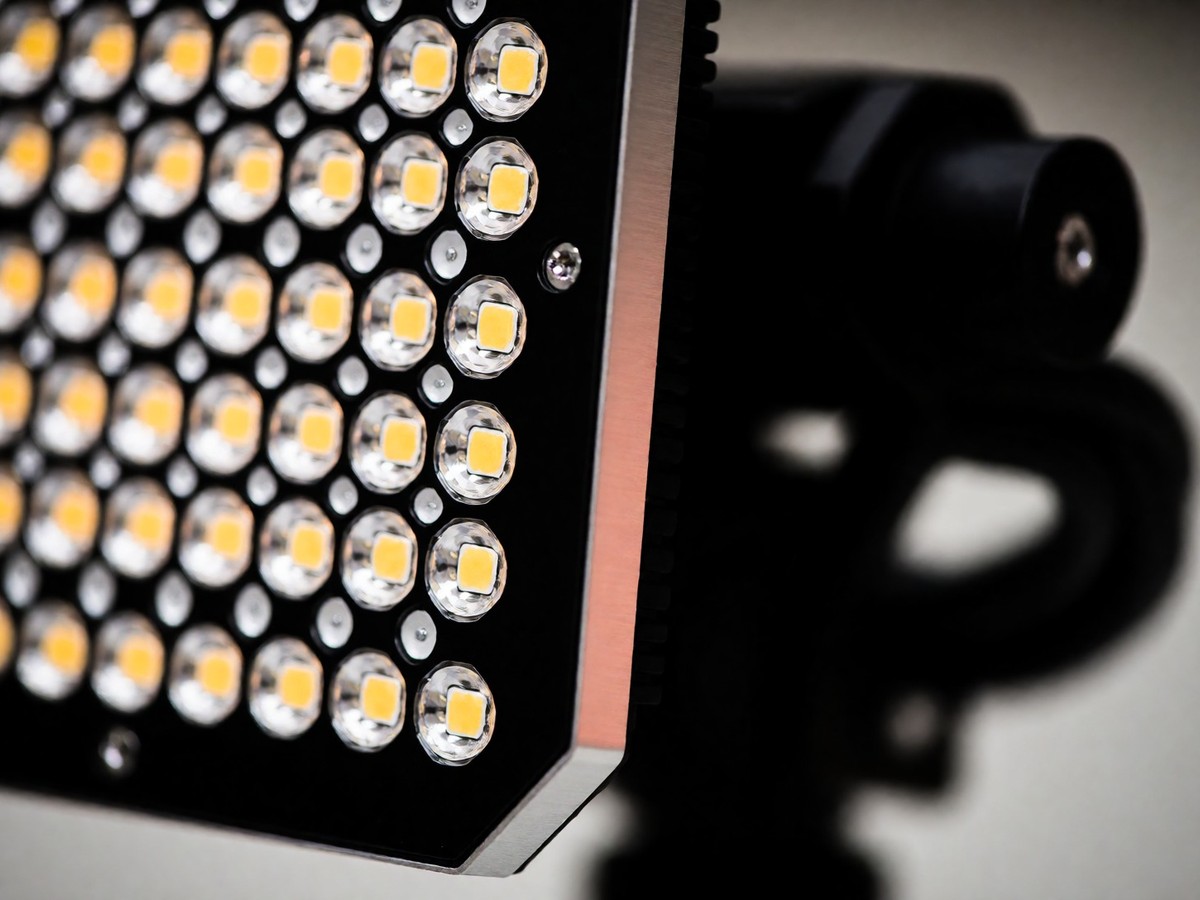
The T1 electronic flag panel provides the most effective solution for increasing safety at the Marina Bay Street Circuit. This technology replaces the traditional practice of using human flag wavers with high performance LED light panels. These panels replicate the traditional marshal circuit flags to provide clear visual signals to drivers. The T1 system also allows race control to manage all flag information from a central location. This capability allows trackside marshals to focus on first intervention or other essential activities instead of waving flags.
The T1 electronic flag panel provides visual security for drivers during all race activities. These panels use high performance LEDs to ensure that all flags are clearly visible even in the brightest daylight. The installation of these panels at different positions around the circuit ensures that information reaches drivers without delay. This technology prevents the common driver complaint that they did not see a flag or that a marshal failed to wave it. The system also logs all flag activity in the EFS Race Control Manager Software for later review.
| Feature | Specification |
|---|---|
| Display Type | High performance LED |
| Software Integration | EFS Race Control Manager |
| Primary Function | Digital flag signalling |
| Primary Benefit | Marshal safety and visibility |
Digital signaling and marshal safety
The T1 electronic flag panel places marshals in a safer position away from the track. This separation reduces the risk of personnel being hit by debris during an accident. The ability to display flags via software means the race control operator can control the whole circuit from a single location. This digital integration improves the response time for all signaling requirements.
Drivers previously reported high levels of physical stress due to the track surface. Bumps on Raffles Boulevard between turns 5 and 7 created an unforgiving environment. Felipe Massa described the kerbs at the turn 10 chicane as little tortoises that could wreck a car if a driver made a mistake. Sebastian Bourdais and Fernando Alonso expressed concerns about the high and harsh kerbs. These bumps caused worries regarding suspension damage or damage to a car tub. The FIA responded to these concerns by lowering the kerbs at the turn 10 chicane before qualifying and the race.
Safety at the Marina Bay corners
The layout of the Marina Bay Street Circuit requires precise signaling because of the tight corners and high speeds. Drivers approach turn 1 at 308 km/h before braking to 146 km/h for the first left-hand turn. The sequence of turns 1, 2, and 3 forms an S-shape that leads into the 180-degree turn 3 hairpin. Turn 7 provides the primary overtaking opportunity as drivers approach it from medium speeds.
The entrance to the pit lane remains a point of concern for many drivers. This area is located at the penultimate corner of the 23-turn layout. Drivers consider the pit entry difficult and incredibly dangerous because of the speed differential between those entering the pits and those continuing on a lap. Race organizers modified the pit entry line to extend it away from the pits. This change compels drivers to commit to the entry earlier to provide more warning to following vehicles.
The corner profile at Turn 10 also changed to manage safety. The original Singapore Sling chicane was removed for the 2013 Grand Prix and replaced with a single-apex left-hand bend. This modification increased the corner entry speed by approximately 40 km/h. To compensate for these higher speeds, the FIA added an extra layer of TecPro barriers at the end of the Turn 10 run-off.
Environmental conditions and floodlighting
You already know the extreme heat makes the race difficult, but the digital replacement of marshals changes the safety dynamic entirely. The Marina Bay Street Circuit uses approximately 1,600 custom-made floodlights to facilitate the night race. These lights provide four times more brightness than a regular sports stadium. The lights use over three million watts of power to illuminate the 5.067 km track. They are designed to minimize glare and surface reflection to meet F1 television broadcasting standards.
The climate in Singapore adds to the physical demands on the drivers. Night temperatures often sit around 30 degrees Celsius. Humidity levels rarely drop below 70 percent and often exceed 80 percent. These conditions can cause drivers to lose up to 3 kg during a race. The race duration regularly approaches the two-hour time limit.
Historical safety and the Thomson Road legacy
Singapore has a long history of motor racing that includes periods of high danger. The first race occurred in 1961 at the Thomson Road circuit. This 4.865 km clockwise track included dangerous sections like Devil’s Bend and Murder Mile. The 1966 race saw the first fatality when a driver crashed into a chicane near the Sembawang hairpin. Seven racers lost their lives on the Thomson Road circuit before safety concerns ended racing there in 1974.
The return to Formula 1 in 2008 at the Marina Bay Street Circuit brought new safety requirements. The inaugural race saw Fernando Alonso win after a controversial crash involving Nelson Piquet Jr. This event, known as Crashgate, led to a suspended ban for the Renault team. The circuit was designed by Hermann Tilke and refined by KBR Inc. to manage the challenges of a street circuit.
Electronic control systems and McLaren Applied
The FIA relies on advanced electronics to manage Formula 1 racing. McLaren Applied, now known as Motion Applied, supplies the Standard Electronic Control Units (SECUs) to all teams. The FIA extended its contract with Motion Applied to ensure the supply of these units through 2030. The SECU is a fundamental part of the electronic system in a Formula 1 car. It prevents teams from using banned driver aids or spending excessive amounts on car electronics.
Motion Applied has supplied these electronic control units since 2008. The current SECU has completed over 1.5 million race kilometers without a reported in-race failure. The company also provides the ATLAS software used on the pit wall at every Formula 1 race. This software supports the electronic systems that manage race data and communications.
| Organization | Role in Electronics |
|---|---|
| FIA | Governing body and contract holder |
| Motion Applied | SECU and software supplier |
| McLaren Group | Former owner of Motion Applied |
| Greybull Capital | Owner of Motion Applied |
Evolution of the Marina Bay layout
The Marina Bay Street Circuit has undergone several re-profiling efforts to improve racing. The original 2008 layout measured 5.073 km and had 23 corners. In 2013, the removal of the Singapore Sling chicane reduced the length to 5.061 km. The 2015 modifications changed the profile of Turn 12 and widened the Turn 13 hairpin by one meter to increase overtaking opportunities.
Significant changes occurred again before the 2023 Grand Prix. The removal of the technical Float section, which included turns 16 through 19, created a long straight on Raffles Avenue. This change reduced the number of corners from 23 to 19 and decreased the circuit length to 4.927 km. The 2025 circuit length is 4.927 km.
| Circuit Version | Length (km) | Number of Turns |
|---|---|---|
| Original (2008 – 2012) | 5.073 | 23 |
| Post-Sling Removal (2013 – 2014) | 5.061 | 23 |
| Post-Turn 11-13 Mod (2015 – 2017) | 5.065 | 23 |
| Post-Turn 16-17 Mod (2018 – 2022) | 5.063 | 23 |
| Current Layout (2023 – Present) | 4.927 | 19 |
Driver performance and lap records
The modern Marina Bay layout allows for faster lap times than previous iterations. Lewis Hamilton holds the current Formula 1 lap record with a time of 1:33.808 set in 2025. Daniel Ricciardo set a lap record of 1:34.486 in 2024. The track requires high mechanical grip and excellent tyre management due to the tight, low-speed nature of the 19 corners.
Different categories of racing also use the Marina Bay circuit. In 2025, Doriane Pin set a Formula 4 lap time of 2:03.587. Dylan Pereira recorded a time of 2:03.623 in the Porsche Carrera Cup Asia round. These times reflect the varying speeds and technical requirements of different racing classes.
Will the FIA eventually remove all human marshals from the circuit once these automated systems reach full maturity? The T1 electronic flag panel remains the primary method for providing digital safety signals to drivers. The system ensures that the information reaches the cockpit while keeping the personnel in a safe position. This technology provides a reliable way to manage the intense environment of the Singapore Grand Prix.