The 2026 fire safety push and Jeddah extraction realities
FIA technical regulations for 2026 introduce significant chassis and weight changes alongside updated fire suppression protocols. These safety advancements aim to improve driver extraction during high-speed impacts like those experienced by Mick Schumacher at the Jeddah Corniche Circuit.

The 2026 Formula 1 technical regulations involve massive changes to the chassis and weight distribution. FIA officials Nikolas Tombazis and Jan Monchaux lead the discussion regarding these upcoming rules. They want to produce more nimble cars by reducing dimensions and overall weight. This represents a major shift because it is the first significant reduction in car weight since the 1980s. The FIA also addressed concerns about driver weight. While some suggested a limit of 80 kilograms, the final decision settled on 82 kilograms to avoid penalizing heavier drivers. These regulations are not yet approved by the World Motor Sport Council. The Council intends to vote on the regulations towards the end of the month. Teams cannot begin aerodynamic development until 2025. The FIA works in full consultation with teams and FOM to refine the details. Tombazis noted that they set the bar reasonably low to allow for performance increases through collaboration with the teams.
The 2026 power unit features an increased electrical component and uses fully sustainable fuel. This change aims to attract new manufacturers to the sport. The aerodynamic rules include active aerodynamics and a new Manual Override Mode to replace DRS. This system targets more exciting racing. The FIA maintains control over top speeds through several methods. They can restrict low-drag configurations by forbidding or reducing the opening of the rear and front wings on certain straights. They can also adjust the deployment of electrical energy to manage speed. This prevents cars from reaching excessive speeds on long straights. Monchaux stated that the FIA intends to keep top speeds comparable to current levels. This prevents the cars from reaching levels that create safety concerns. The FIA provides Pirelli with extra testing time throughout 2024 and 2025 to develop suitable tires for the new formula.
| Category | 2026 Technical/Safety Detail |
|---|---|
| Driver Weight Limit | 82 kilograms |
| Aerodynamics | Active aero and Manual Override Mode |
| Power Unit | Increased electrical component and sustainable fuel |
| ASD Standards | Revision of BS 5839-1 (April 2025) |
| Track Limits | Blue lines at pit entry, pit exit, and specific apexes |
The FIA launched a Sustainability Special Interest Group to support fire safety professionals. This group brings together manufacturers, service providers, and sustainability specialists. They address environmental and social aspects like embodied carbon and life cycle assessments. The group also handles social sustainability, including diversity, inclusion, wellbeing, and community impact. They aim to move beyond compliance towards best practice. The first meeting for this group occurs on February 20, 2026. In a separate development, the Fire Industry Association announced the 2026 Code of Practice for Aspirating Smoke Detection. This is the first full revision of the document since 2012. The code aligns with the BS 5839-1 revision from April 2025. It includes guidance on fire detection in high airflow environments and the use of multi-sensors. The update also covers in-cabinet detection and the flammability of sampling pipework. It provides new tools like a risk assessment spreadsheet for warehouses with high-rack storage. Site testing methods, such as the extended paper bin test for Class A and B testing, also received attention.
The Jeddah Corniche Circuit presents unique challenges for driver safety. High-speed impacts at this track require efficient medical extraction. In 2024, Lance Stroll hit the wall at Turn 22 in his Aston Martin AMR24. He climbed out of the car after the accident, but the impact was significant. In 2022, Nicholas Latifi crashed his Williams at Turn 27 after jumping on the power too early. He locked all four corners of the car before hitting the barrier. This accident in the early laps caused a delay in qualifying for one hour. Mick Schumacher also experienced a violent crash at Turn 10 and 11. He hit the wall at approximately 270kph. His Haas driver required the medical team to extract him from the cockpit. Schumacher felt alright after the impact, but the team withdrew him from the weekend due to component management. You likely understand how a single mistake at a high-speed track like Jeddah can lead to an immediate medical emergency.
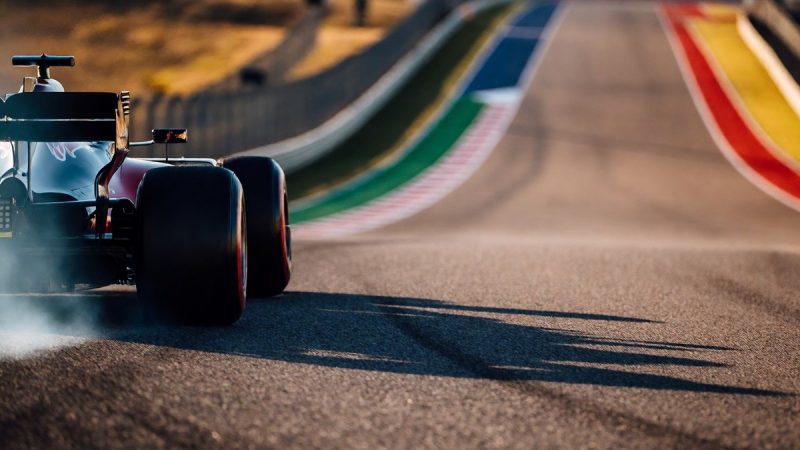
Chassis design influences how cars interact with the Jeddah kerbs. Mick Schumacher noted that 2022 and 2024 cars have low rear sections. This makes them susceptible to losing control when hitting high kerbs. When the rear tyre loses contact with the surface, the car experiences a snap. This behavior differs from the high rake seen in older cars. This instability increases the risk of accidents during high-speed cornering. The FIA remains aware of these performance and safety dynamics. They intend to refine the regulations to manage these issues. The interaction between the chassis, the tyres, and the track surface remains a focus for engineers.
The FIA released a Guidance Note for an Introduction to Vehicle Fire Suppression. This document focuses on industrial vehicle and equipment firefighting systems. It covers vehicles used in mining, quarrying, forestry, waste management, distribution, logistics, construction, and agriculture. It also covers static equipment covering the same duties. The note provides a summary of applicable standards, terms, and technologies. It serves as a guide for those who purchase, design, install, test, inspect, approve, operate, or maintain firefighting systems. The guidance includes details on legislative requirements and terminology. This documentation helps ensure that fire suppression systems meet the necessary safety and performance standards.
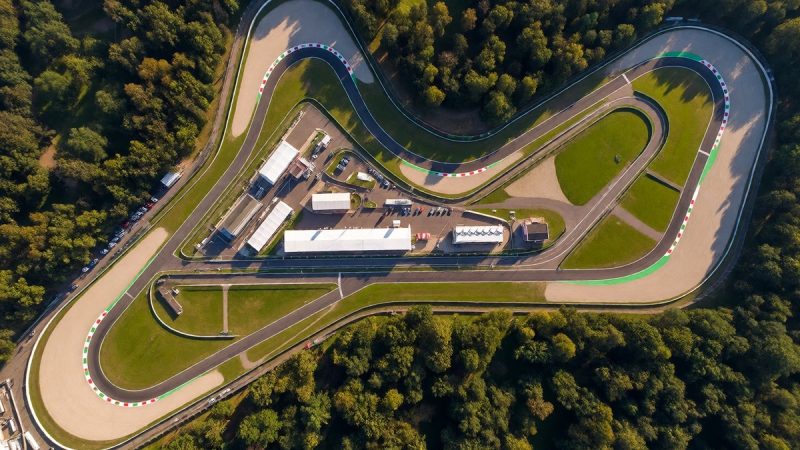
The Jeddah track layout includes specific blue lines for better detection of track limits. These lines mark the pit entry, pit exit, and safety car areas. Blue lines also appear at the apex of several turns, including turns 2, 5, 8, 9, 14, 17, 19, and 23. The DRS zones rely on detection and activation points at turns 17, 19, 22, 25, and 27. The circuit is a purpose-built construction. In 2022, the weekend faced security concerns. A missile attack hit the North Jeddah Bulk Plant, which sits 10km from the circuit. The Houthi movement claimed responsibility for the attack. Large clouds of oil smoke were visible from the facility. This occurred just before the first practice session. The FIA confirmed the event was a strike by the Yemeni rebel group.
The 2026 technical regulations will change the weight and aerodynamics of Formula 1 cars. The FIA also advances fire safety technology through new codes and sustainability initiatives. These developments intersect at high-speed circuits like Jeddah, where extraction and suppression are vital. The combination of new chassis behavior and advanced fire safety protocols remains a priority for the FIA. Will the 2026 chassis refinements prevent the snap-oversteer issues seen in recent years at the Jeddah Corniche Circuit?