Pirelli sets record front tyre pressures for Qatar Grand Prix
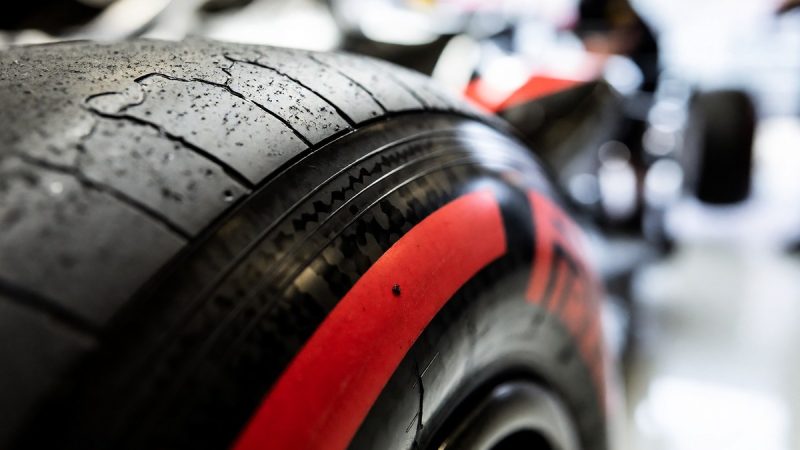
Pirelli has established a 29psi front minimum tyre pressure for the Qatar Grand Prix, marking the highest front pressure of the 2026 season. The decision aims to mitigate tyre failure risks caused by extreme lateral energy and aggressive kerbs at the Lusail circuit.

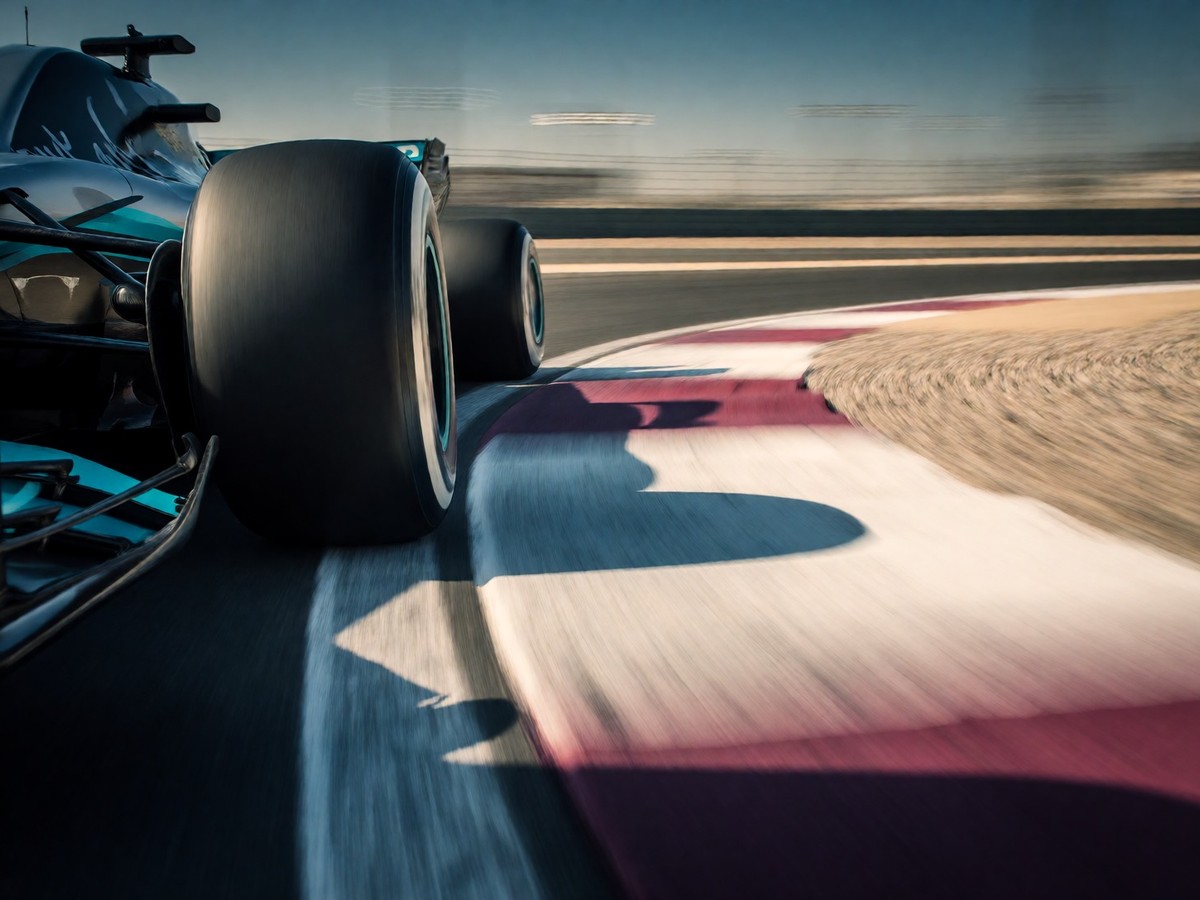
Record pressures at Lusail
Pirelli set the front minimum tyre pressure at 29psi for the Qatar Grand Prix, which is the highest front pressure of the 2026 season. Previous 2026 benchmarks at Suzuka, Silverstone, and Spa reached 28psi. For the rears, the 27.5psi setting is 4psi higher than the 23.5psi baseline used at the 2025 Qatar Grand Prix, although Spa and Las Vegas reached 28.0psi. In 2025, Pirelli increased the front pressure from 28psi to 29psi after discovering rubber cuts following Friday running. The company believed those cuts resulted from cars running over gravel on the track.
| Tyre Position | Minimum Pressure (psi) |
|---|---|
| Front | 29.0 |
| Rear | 27.5 |
The Lusail circuit places extreme lateral energy on the tyres because of fast right-handers and aggressive pyramid-style kerbs, meaning the front left tyre faces heavy punishment. Pirelli uses hard compounds, increased minimum pressures, and maximum stint lengths to minimize the risk of tyre failures in Qatar. To counter risks from straight mode failures, which put large forces through the tyres on the straights, Pirelli increased these pressures. The 2026 cars also use active aero. This remains a concern for drivers and teams, who have already complained about how high pressures have generally ended up this season.
Managing tyre wear and strategy
The nature of the track and the tyre limits make things far from straightforward for teams, according to Williams chief trackside engineer Paul Williams, who expects a hard out-lap for warm-up and a double cool-down lap to reset the rear temperatures. He says the soft is not a clear first-timed-lap tyre because the front-right struggles to warm up while the front-left and rear-left overheat. Williams expects the front-left to be the limit through overheating and wear. He notes the soft carries a front-left graining risk and the medium is expected to see high wear. Pirelli limits the maximum stint length to 27 laps, which is two more than last year.
Because the medium and hard tyres are the preferred race options, teams face a strategy challenge to avoid a third stop. The minimum two-stop race means the main strategic challenge is to ensure that final stops do not come too early to create a costly extra change. Adrian Goodwin says the fixed stint lengths make the event simpler for tyres. He says the main strategic point is not stopping so early that a team is forced into a "three-stop race."