Lando Norris warns of scary tyre conditions in Las Vegas
Lando Norris and Max Verstappen warn that low temperatures below 10C in Las Vegas could make intermediate tyres behave like rocks. Drivers fear the lack of lateral load on the street circuit will make maintaining tyre temperature difficult if rain occurs during the Grand Prix.

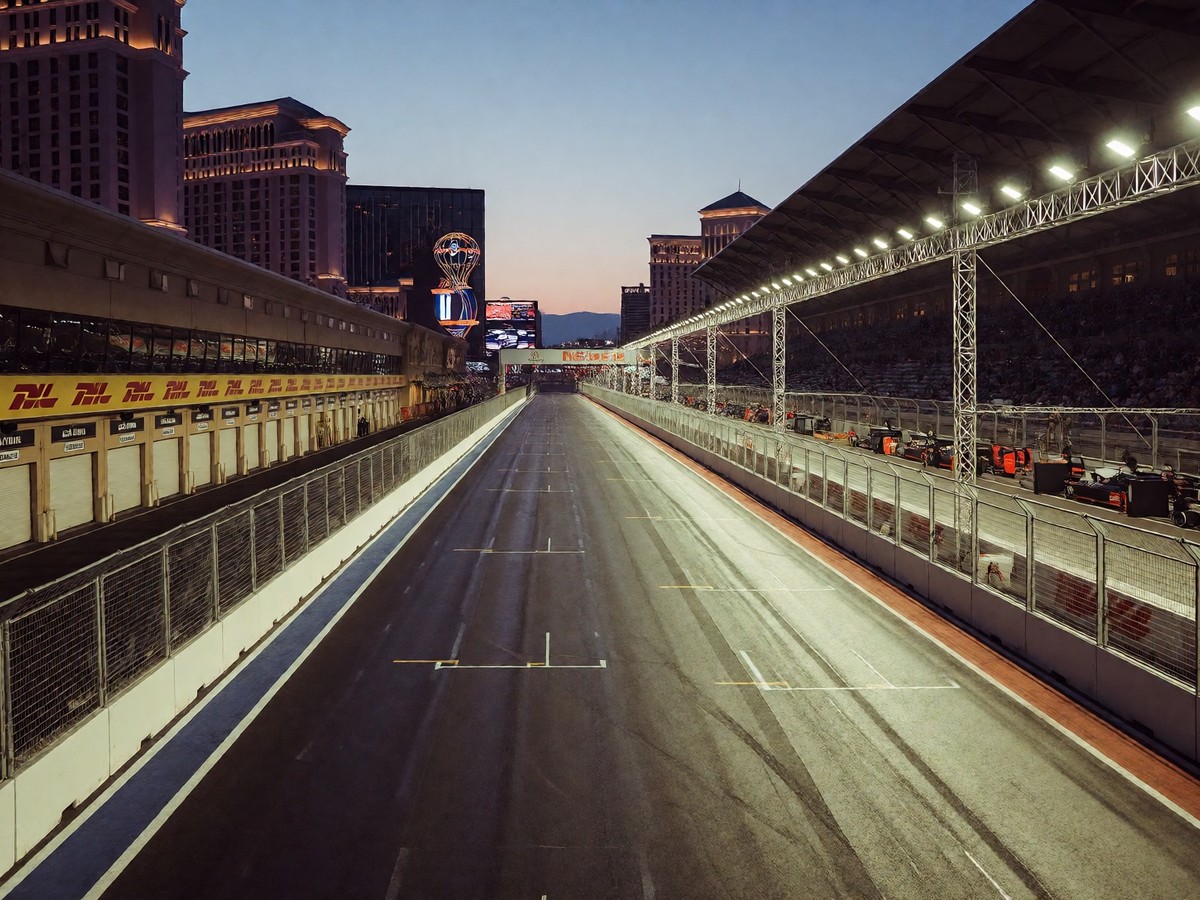
Low temperatures in Las Vegas
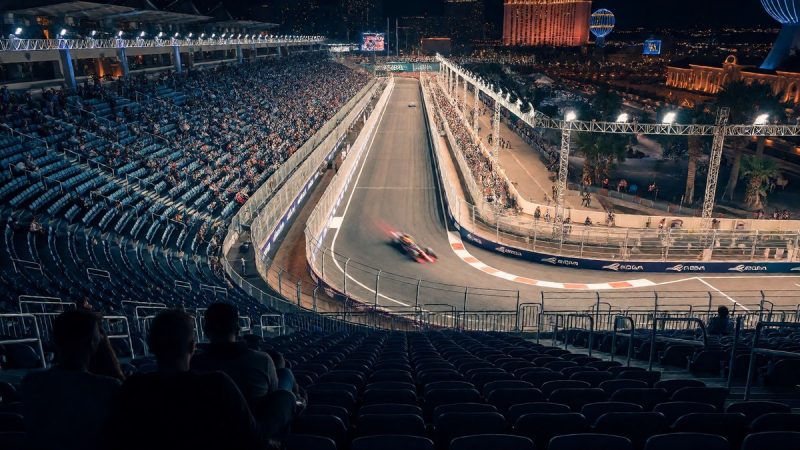
Lando Norris says a wet Las Vegas Grand Prix would be "scary" because the current intermediate tyres fail when temperatures drop well below 10C. The upcoming Las Vegas street circuit lacks high-speed corners to put lateral load into the tyres. Norris noted that during the Brazilian Grand Prix, the tyres "felt horrible" on laps to the grid when they got very cold. Max Verstappen said the working range is too small, adding that when the tyres are cold, they are "really like a rock." Forecasts suggest a 50% chance of rain for the Thursday evening Free Practice 1 session. If drivers cannot get tyre temperature in the desert, the conditions will be "horrible," according to Norris. The 2026 cars went through their first proper wet qualifying and grand prix in Brazil after partially rain-affected weekends in Malaysia and Singapore. Standing water in several corners forced officials to halt the Sao Paulo qualifying session for over an hour. The race started and finished on intermediates with a dry middle spell, though drivers ran full-wet tyres in Q1 before switching to intermediates. Drivers in Brazil struggled to keep cars on the track because the stiffer intermediates require a specific temperature range. Because Interlagos is one of the easiest circuits to get tyres into the working range, drivers worry that the upcoming Las Vegas street circuit will be much more difficult. The current Pirelli range was designed for 2026 cars with different performance characteristics.
Tire performance and car development
Carlos Sainz says the inter is still a "very weak" tyre at the rear and the front is gone by the time it warms up. During qualifying in Sao Paulo, he noted the extreme wet tyres produced significant aquaplaning and a lack of rear grip. The 2026 cars utilize high-torque power units and active aerodynamics that put massive forces through the rubber, so Pirelli must constantly chase how much downforce the teams can generate as in-season development continues through the year. The FIA implemented a partial Straight Mode in the wet that only activates the front wing, and the governing body reduced electric output in April. These measures helped the 2026 cars race in the wet, but they arrived after Pirelli defined its tyre range. Pirelli cannot use Brazil’s data for 2027 because the manufacturer already finalized its homologations for next season. Sainz also noted that development on both the extreme wet and intermediate tyres is still missing because the current range lacks sufficient grip. The FIA responded to safety concerns by reducing electric output in wet conditions.
| Feature | Detail |
|---|---|
| Vegas Rain Forecast | Over 50% for FP1 |
| Vegas Temperature | Below 10C |
| FIA Wet Mode | Front wing only |
Pirelli’s upcoming 2027 solutions
Pirelli conducted wet-weather testing at Magny-Cours last month to trial various solutions for the 2027 season. Mercedes reserve driver Frederik Vesti conducted two days of testing at the French circuit, including one day in the wet, to trial new intermediate tyres with different compounds and constructions. Simone Berra, Pirelli’s trackside engineering chief, said the team worked on compounds, tread thickness, and different structures to improve the wet-weather product. The company is currently analyzing data to homologate new wet-weather compound specifications. Dario Marrafuschi, Pirelli’s head of motorsport, said the company addressed driver scepticism and made steps for 2027. He noted that development for next year was based on information from the beginning of the season and testing done in Suzuka. Marrafuschi added that the company will disclose the outcome of the Magny-Cours test soon. Berra said the team wants to combine the best solutions. The engineering team is working on the data to ensure the new compounds meet the needs of the drivers.