How to read FIA 2026 real-time tyre temperature dashboards
Strategists must manage Pirelli tires operating between 85°C and 110°C to prevent performance loss. This analysis covers 2026 telemetry shifts, MGU-K energy deployment, and how thermal or mechanical degradation impacts race strategy in Las Vegas.

The 2026 telemetry shift
The 2026 Formula 1 technical regulations change how telemetry data appears on a strategy dashboard. The FIA modified the recharge cap from 8MJ to 7MJ per lap in April 2026 to reduce extreme harvesting strategies. This change forces teams to manage energy with higher precision. The 2026 power units use a 50/50 power distribution between the 1.6 litre V6 internal combustion engine and the electrical system. Because the MGU-K harvests three times as much energy as its predecessor, the energy management data is more volatile. The FIA also removed the MGU-H, which previously recovered energy from exhaust gases. This removal makes the power unit simpler and more cost-effective. Engineers must focus on the reinforced MGU-K to balance the loss of thermal energy recovery. The 2026 cars also use 100% sustainable fuels, which may have lower calorific values than traditional petroleum. This difference affects how efficiently the engine combusts fuel. Mercedes and Red Bull have faced scrutiny regarding their engine compression ratios. While the rules stipulate a limit of 16:1, rumors suggest some teams aim for 18:1. This would provide an advantage of approximately 15bhp or three-tenths of a second around Melbourne.
Thermal windows and the Las Vegas environment
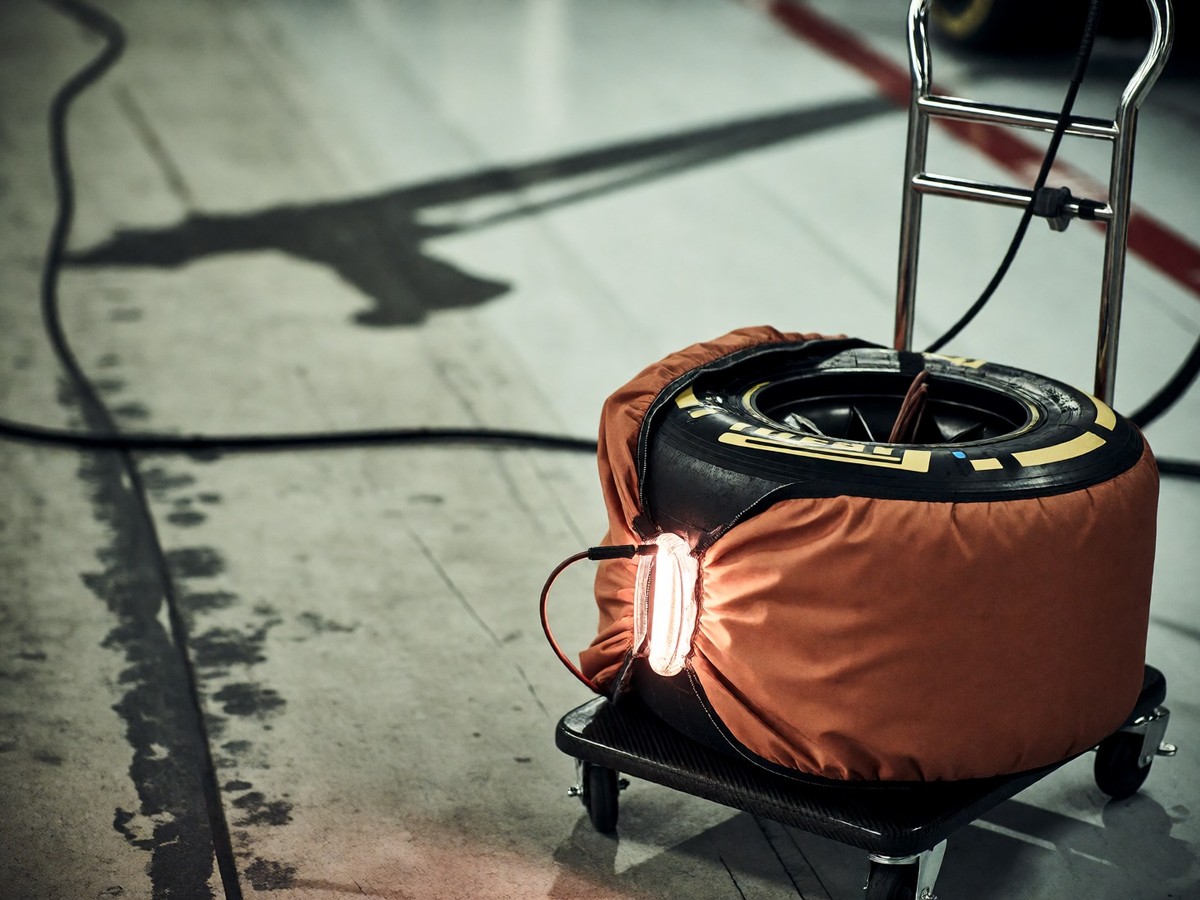
Strategists monitor tire temperatures to prevent performance drops. Pirelli tires operate between 85°C and 110°C for the surface. The core temperature stays between 90°C and 130°C. If temperatures fall below these levels, the tires lack grip. In Las Vegas, night temperatures reach 47°F. The Las Vegas layout has few high-speed corners and three long straights. These straights cause the tires to lose the heat they built up in corners. Drivers must work the tires harder through high-speed corners to maintain temperature. Low grip levels make the cars more susceptible to sliding and graining. Graining happens when the tire surface overheats and the rubber tears. This creates a rough texture that reduces the contact patch. This problem occurs when a driver pushes too hard before the tire reaches the optimal temperature. Graining is often the result of a slippery track surface or excessive sliding. Pirelli testing in Paul Ricard showed that extreme cold can hinder tire performance. During one session, track surfaces reached -2°C. This cold environment makes it difficult to keep the tires in the optimal window.
Decoding mechanical degradation
Engineers distinguish between thermal degradation and mechanical degradation on the dashboard. Thermal degradation is caused by excessive heat, which breaks down the rubber compound. Mechanical degradation is caused by physical wear, which reduces the tread depth and the contact patch. Both types of degradation affect performance, but they have different causes. Graining is a form of mechanical degradation that occurs when the surface tears. Blistering is a form of thermal degradation that occurs when the internal temperature rises too high. This causes the rubber to separate from the carcass. Blistering creates raised areas on the tire surface. Blistering reduces the contact patch and can lead to sudden failure. Once the internal structure sustains damage, the driver cannot reverse the blistering by slowing down. Drivers like Lewis Hamilton use micro-adjustments to manage this. They brake slightly earlier, carry less speed into the apex, and apply throttle more gradually. This approach keeps the tire temperatures in the optimal window.
Energy management and deployment
The MGU-K deployment affects traction and tire temperature. The FIA increased Superclip power from 250kW to 350kW in April 2026. This power is available during harvesting on straights. The Race boost is capped at +150kW above the current power level. MGU-K deployment stays at 350kW in key acceleration areas like corner exits. In other areas, the deployment is limited to 250kW. The new low-power start detection system identifies cars with abnormally low acceleration just after clutch release, automatically deploys the MGU-K to guarantee a minimum launch, and activates flashing rear and lateral lights to warn following drivers. This system addresses concerns that some cars will struggle to get off the line in Melbourne. Some teams have developed engines that work better off the line, which may lead to sporting disadvantages for rivals.
| Technical Variable | 2026 Regulation/Spec |
|---|---|
| Front Tire Width | 25mm reduction |
| Rear Tire Width | 30mm reduction |
| Minimum Weight | 768 kg |
| Max Recharge | 7 MJ |
| Superclip Power | 350 kW |
| Race Boost Limit | +150 kW |
| Max Wheelbase | 3400 mm |
| Max Width | 1900 mm |
| Floor Width | 150mm reduction |
Aerodynamic interaction and driver inputs
Drivers manage tire temperature through their driving style. Smooth inputs keep the temperature stable. Aggressive inputs cause temperature spikes. Drivers can use the car’s setup to influence how the tire heats up. Changing the camber or toe settings can reduce tire wear and overheating. Drivers also adjust tire pressures to prevent the surface temperature from getting too high. If temperatures reach 100 degrees, the pressures need to be lowered. The 2026 cars use active aerodynamics to manage energy. Z-Mode keeps wing elements closed to maximize downforce in corners. X-Mode flattens the wing flaps on straights to reduce drag by up to 55%. This reduction in drag helps maintain top speeds despite lower peak power. This system replaces the traditional Drag Reduction System. Drivers must also account for fuel load when planning temperature management. A heavier car puts more pressure on the tires, which increases heat.
Telemetry security and data validation
Maintaining telemetry integrity requires updated software dependencies. Telemetry gateways often use the Python requests library to send events into data lakes like Splunk. The requests library had a vulnerability in 2026. CVE-2026-25645 involves insecure temporary files in extract_zipped_paths(). This issue affects applications that use predictable filenames when extracting ZIP archives. To prevent this, engineers use version 2.33.0 or later. Other issues include CVE-2023-32681 regarding proxy-authorization header leaks and CVE-2024-35195 regarding certificate-verification bypass. A stable telemetry gateway uses version 2.34.2. Engineers must ensure their validation tools are not using outdated libraries that could undermine data integrity. Analysts monitor telemetry fields such as ers_recharge_mj, ers_deploy_kj, boost_state, and mguk_mode. If a car superclips at 340kW, a validator using old 250kW thresholds will flag it as an error.
Real-time strategy in Las Vegas
The strategy at Las Vegas depends on temperature maintenance. A driver who can maintain competitive pace on older tires has more options. One-stop strategies are faster in total race time. A driver who cannot manage tires must use a two-stop strategy. In Las Vegas, a safety car can change the pit window. Lower speeds reduce tire temperatures. If the temperature drops, the risk of graining increases. The narrower tires reduce aerodynamic drag and weight. This reduction in width might affect mechanical grip. You should watch the driver’s radio to see if they request more power or report loss of grip. Teams monitor the tires visually during pit stops. The pit crew sees the condition of the tire surface. They report graining, blistering, or uneven wear to the strategy team. The tire blankets also provide data on the thermal condition before the tire is fitted to the car. This combination of data and driver feedback allows teams to make real-time decisions. Does the reduction in contact patch make the tires more susceptible to graining in the Nevada cold?