How Red Bull’s 2026 ride-height sensor trick works in plain terms
F1 engineers exploit technical loopholes to bypass FIA regulations using dynamic mechanical changes. This analysis examines how teams like Red Bull Racing manipulate ride height and compression ratios to maximize performance while passing static inspections.

The engineering logic of the loophole
F1 engineers treat the rulebook as a suggestion rather than a set of boundaries. Every new set of technical regulations creates a gap between the intended spirit of the law and the physical reality of the car on track. These gaps exist because the FIA must set static limits that engineers then manipulate through dynamic changes. You already know that the pursuit of performance often involves finding ways to pass a measurement in the pit lane while maintaining a different profile at racing speeds.
This tension defines the history of the sport. When the FIA introduces a new rule to ensure safety or parity, teams search for ways to interpret the wording to their advantage. This process involves a constant battle between the governing body’s sensors and the teams’ aerodynamicist designs. The goal remains constant: find a way to satisfy the static test while maximizing the car’s performance during a race.
The RB22 sidepod and airflow management
Red Bull Racing has pushed the limits of internal packaging with the RB22. The car utilizes a dramatically reduced sidepod volume, particularly towards the rear. This design follows the classic coke bottle concept but takes it to an extreme by narrowing the bodywork. This reduction maximizes airflow toward the diffuser and the rear floor.
The aggressive aerodynamic profile relies on a bold internal packaging solution. Engineers rearranged the radiators and heat exchangers to create more freedom for the aerodynamicists. This rearrangement allows the car to direct air more effectively to the rear of the vehicle. While the air intake above the driver’s head remains smaller than the Racing Bulls version, the Red Bull Powertrains-Ford power unit provides the necessary cooling. This radical cooling layout differs from other teams that use more traditional, larger intakes.
The design draws comparisons to the Mercedes size-zero concept from 2022, but Red Bull avoids the instability that plagued the Silver Arrows. The team designed the chassis around ground-effect behavior from the beginning. This approach aims to prevent the unpredictable car behavior that occurred when rivals attempted similar slim sidepod designs in previous seasons.
The history of ride-height compliance
The concept of bypassing sensors through mechanical movement has deep roots in the sport. In the era of ground effect, the FIA attempted to regulate how close a car could run to the track. This led to the implementation of minimum ride height rules. Teams found ways to circumvent these rules by manipulating how the car sat during inspection versus how it sat during a race.
Brabham famously exploited this through a dual-sprung suspension system. The car would sit at a rules-compliant ride height with zero downforce during stationary checks in the pit lane. However, the downforce generated during racing would overcome a weaker set of springs. This allowed the chassis to settle down onto much stiffer springs at a very low ride height.
This setup allowed the driver to pass scrutiny while maintaining the aerodynamic advantage of a low-running floor. The driver could essentially use a lever or switch to get the car into compliance mode for officials. This method ensured the car met the vertical oscillation limits during testing but provided maximum downforce on the circuit.
The 2026 compression ratio dispute
The 2026 power unit regulations introduced a new area for technical maneuvering regarding the internal combustion engine. The FIA set a maximum compression ratio of 16:1 to reduce mechanical stress and maintain efficiency. This represents a decrease from the 18:1 ratio used in 2025. However, manufacturers like Ferrari, Honda, and Audi have raised concerns about how teams might bypass this limit.
Engineers seek to increase the effective compression ratio under racing conditions. They focus on controlled thermal expansion of the piston or the connecting rod. This technique reduces the clearance volume when the engine reaches racing temperatures. A tiny change in clearance volume creates a significant impact on the compression ratio. Advanced material selection also helps engines withstand high combustion loads while maintaining a higher effective compression.
These methods allow a power unit to appear compliant during cold, static measurements in the pit lane. At racing temperatures, the physical properties of the components change the compression ratio in the cylinder. This discrepancy between ambient temperature testing and hot operating conditions creates a regulatory grey area. Will the FIA implement more stringent sensors to prevent such deviations before the season concludes?
The active aerodynamics of X and Z modes
The 2026 regulations introduce full-time active aerodynamics to the sport. This change allows the cars to dynamically adjust the angle of both the front and rear wings. The wings utilize two distinct settings: X mode for straights and Z mode for corners. This system aims to counteract the loss of lap time expected from the new chassis and engine designs.
In X mode, the flaps move to an open position to engage a low-drag configuration. The wings flatten to reduce drag and increase top speed. On straights, single-seaters in X mode could reach speeds of up to 400 km/h. This exceeds the current F1 speed record of 378 km/h. In Z mode, the flaps remain in a closed position to maintain downforce and grip in the corners.
The switch between these modes requires a precise trigger point to prevent sudden changes in car behavior. The transition from X mode to Z mode must happen at a predetermined point on the track. Such sudden aerodynamic shifts change the car’s balance instantly. Drivers must adapt to the complex controls and the shifting aerodynamic load. The system replaces the Drag Reduction System (DRS) as the primary tool for managing aero drag.
Technical specifications of the 2026 chassis
The 2026 single-seaters feature significant changes in dimensions and weight. The cars are more compact than the 2025 models. The wheelbase decreased from 3.6m to 3.4m, and the width dropped from 2m to 1.9m. These changes, combined with narrower tires, reduce the overall footprint of the car.
| Specification | 2026 Measurement/Limit |
|---|---|
| Minimum Weight | 768 kg |
| Maximum Wheelbase | 3.4 m |
| Maximum Width | 1.9 m |
| Maximum Compression Ratio | 16:1 |
| Front Tyre Width Reduction | 25 mm |
| Rear Tyre Width Reduction | 30 mm |
| Maximum Floor Width Reduction | 150 mm |
The minimum weight for the new cars sits at 768 kg. This includes the driver and tires but excludes the 46 kg tire weight. The aerodynamic downforce will drop by approximately 30%, while aerodynamic drag will fall by 55%. The front absorption structure now uses a two-stage design to provide better protection during a double impact. The roll-hoop testing also increased from 16g to 20g.
Power unit energy management and the Override system
The 2026 power unit relies on a 50/50 split between the internal combustion engine and electrical power. The MGU-K system, which recovers energy during braking, now provides three times more power than previous versions. This system recovers 8.5 MJ of energy per revolution. Because the MGU-H system is gone, drivers must manage their energy reserves carefully.
Drivers use a Boost button to take manual control of energy deployment. This button triggers a change in power unit settings, returning the car to maximum power or a pre-configured profile. The Override system provides an additional tool for overtaking. If a car stays within one second of the car ahead at a designated point, it receives an extra dose of electrical power for the next lap.
The Override mode allows a driver to recharge an extra 0.5 MJ of energy. This extra energy helps the driver sustain a higher speed for a longer period. To use this effectively, drivers must manage their battery reserves. They recharge the system using energy recovered during braking. Drivers often brake harder before bends to ensure they have enough energy for the restart on the exit.
The reality of 2026 reliability and the Shanghai failures
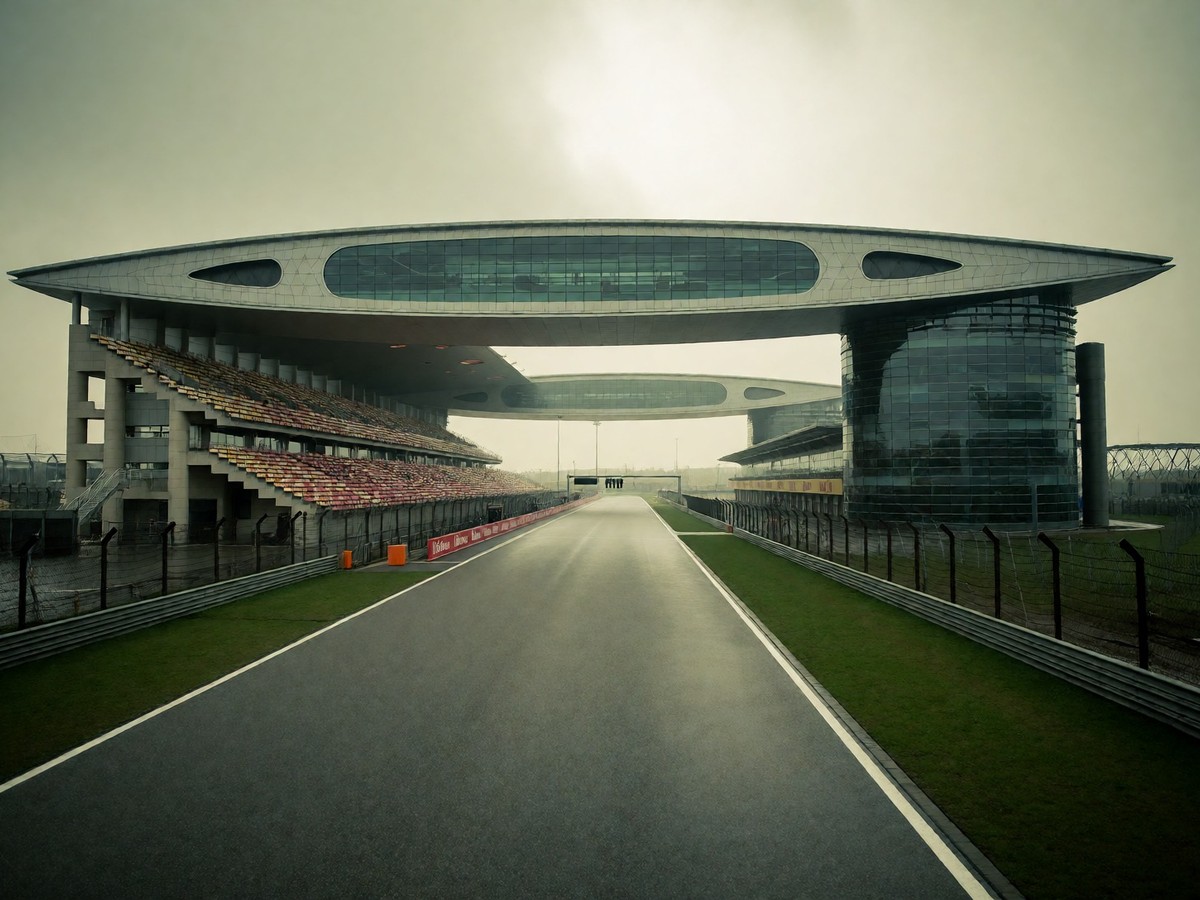
The transition to the 2026 regulations has produced significant reliability issues for top teams. The current reliability of the 2026 power units remains a disaster for the top teams. During Round 2 in Shanghai, the power unit energy management failed multiple drivers. Max Verstappen qualified P8 after calling his RB22 undriveable due to engine-side issues. The electrical deployment cuts caused the torque balance at the rear wheels to shift unpredictably.
The failures in Shanghai affected the leading teams differently. Oscar Piastri’s car suffered a battery surge during a reconnaissance lap, which triggered a 100kW power event. This caused him to crash on a wet exit kerb. Liam Lawson’s Racing Bulls car stalled on the grid because it had zero battery charge. Meanwhile, both McLaren cars suffered terminal electrical problems. Lando Norris and Oscar Piastri both recorded a DNS after the team could not resolve the power unit issues.
The energy management failures highlight the complexity of the new 50/50 power split. When electrical deployment becomes unpredictable, the car becomes difficult to drive. Engineering ingenuity defines the winner, regardless of the rulebook’s intent.