A beginner’s guide to the 2026 fuel flow sensor regulations
The 2026 Formula 1 regulations introduce a 3000MJ/h fuel energy flow limit using Allengra ultrasonic sensors. Technical tensions arise as manufacturers like Mercedes and Red Bull face scrutiny over potential compression ratio advantages and inlet plenum temperature manipulation.

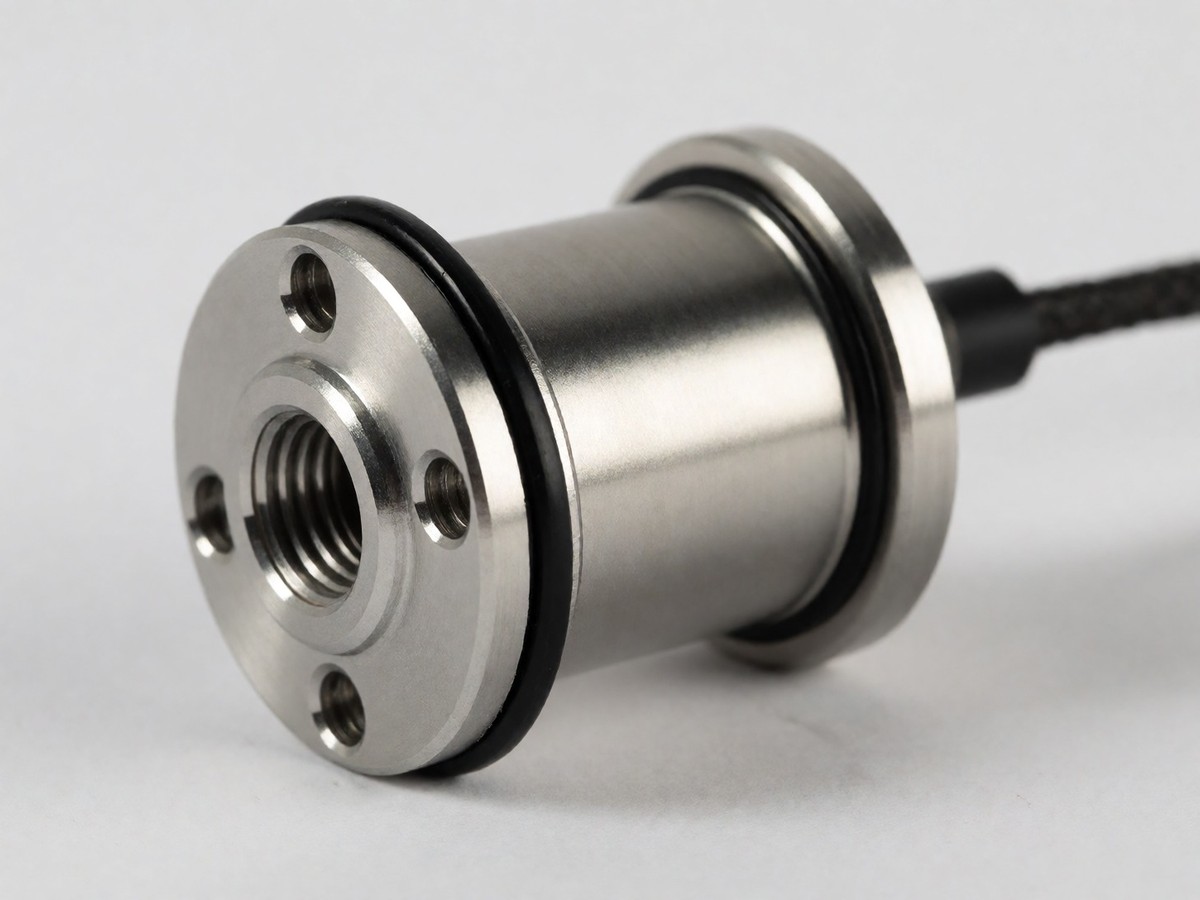
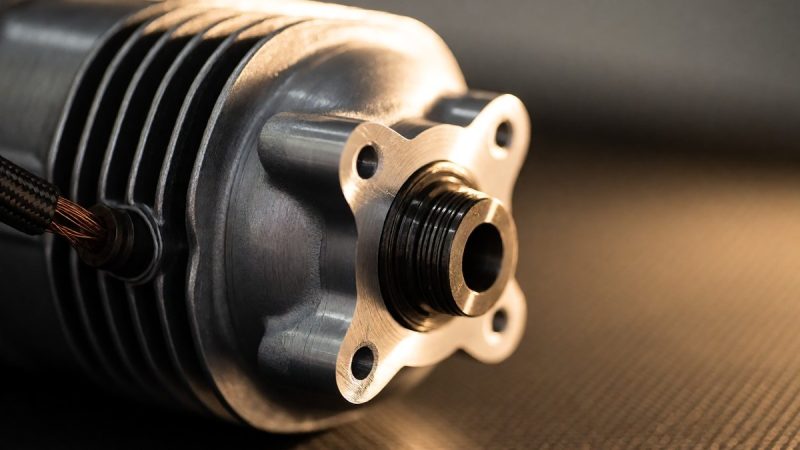
The 2026 Formula 1 regulations replace the previous 100kg/h maximum mass flow ceiling with a 3000MJ/h fuel energy flow limit. This shift to fully sustainable fuels necessitates a different approach to compliance. The FIA provides a single standard unit from the company Allengra to handle these measurements. This compact and robust ultrasonic flow meter fits in all cars and delivers data to both the teams and the FIA. I find that understanding the technical nuances of this sensor is the only way to grasp the current tensions in the paddock.
The temperature control rule
The FIA changed the wording of the technical regulation in October to prevent teams from manipulating sensor readings. The new clause states that any device, system, or procedure, the purpose of which is to change the temperature of the fuel-flow meter is forbidden. This change follows a previous version of the rule that prohibited the intentional heating or chilling of the fuel-flow meter. A team could potentially change the composition of the fuel being measured or alter the measurements taken by the device by adjusting the sensor temperature.
The FIA aims to close off ways that manufacturers could still manipulate the temperature of the fuel-flow meters without it being intentional. While these more stringent rules prevent certain tricks, they do not necessarily mean any teams intended to exploit this specific area. Competitors often report concerns about grey areas to the FIA to ensure all avenues are closed. This prevents other teams from finding a way to jump on a technical loophole. The difference between the previous wording and the new phrasing is wide enough to catch many different types of procedures.
The compression ratio controversy
A separate issue involves the maximum fuel compression ratio for the 2026 power units. The FIA set this limit at 16:1 to reduce mechanical stresses and maintain high energy efficiency. However, rumors suggest that Mercedes and Red Bull may have found a way to run closer to an 18:1 ratio once the engines reach operating temperature. This difference could be worth up to 15bhp, which translates to approximately three-tenths of a second per lap at Melbourne’s Albert Park.
Engine manufacturers like Ferrari, Audi, and Honda are investigating these rumors. Mattia Binotto, who now leads the Audi F1 project, stated that the current framework leaves too much uncertainty. He noted that you cannot protest if you do not know what you are protesting. The discussion is not about a clarification of the regulations but about developing a methodology to measure the compression ratio in real time while the car is moving. Currently, measurements occur in cool conditions with the engine disassembled. This means a team might wait until the end of the season to know if they are truly compliant.
The issue is complex because even a small change in clearance volume can significantly impact the compression ratio. Engineers may look at advanced material selection or controlled thermal expansion of the piston or connecting rod to reduce clearance volume at operating temperature. These methods could allow a higher effective compression ratio while still appearing to comply with static, cold measurements. I see this as a struggle between engineering ingenuity and the spirit of the regulations.
Mercedes inlet plenum rumors
The suspicion surrounding Mercedes goes beyond the compression ratio. Rivals suspect Mercedes of tricking the FIA temperature sensors that record the engine’s inlet plenum temperatures. The theory suggests that Mercedes creates walls within their inlet plenum that can be filled with super-cooled liquid. This would accelerate the cooling of the air within the plenum chamber.
This method would provide a different kind of advantage compared to the compression ratio loophole. While the compression ratio affects the engine’s internal volume and efficiency, the inlet plenum trick targets air temperature. If this is true, the four Mercedes-powered customer teams, which include McLaren, Williams, and Alpine, could see a significant performance boost. This would shape the pecking order for the 2026 season before the first race even begins.
Ferrari and the 2019 engine saga
The current tension mirrors the engine saga involving Ferrari in 2019. During that time, many F1 teams suspected Ferrari of tampering with fuel flow sensors. It was alleged that Ferrari either tricked the fuel flow sensor or burned oil from the intercooler. This allowed the Scuderia to feed more fuel to the engine without the sensors noticing, providing much more horsepower than the competition.
Max Verstappen used the word "cheating" when discussing the Ferrari engine saga. The FIA investigated the matter but released no details to the public. Instead, the governing body entered a secret settlement with Ferrari. Following this, the FIA issued a technical directive that caused Ferrari to lose pace in the premier class of motor sport.
Mattia Binotto has noted that the current situation with Mercedes and Red Bull is no different from the 2019 experience. He argues that there is a difference in attitude regarding how the FIA handles these issues. In 2019, Ferrari was very exposed to the media and suffered an attack from competitors. Now, the discussion regarding Mercedes and Red Bull’s engine trick is playing out much more quietly in the background.
Haas VF-26 technical specifications
The Haas F1 Team is one of the teams using a Ferrari power unit for the 2026 season. The VF-26 is the first of the new generation of cars, featuring vastly different front and rear wings to provide less drag and downforce. The team has also updated its livery, replacing the black carbon areas from last year with larger white areas and red accents. The new look also acknowledges their title sponsor, Toyota Gazoo Racing.
| Specification | Detail |
|---|---|
| Power Unit | Ferrari O67/6, turbocharged 1.6 liter V-6 Hybrid |
| Chassis Material | Carbon-fiber and honeycomb composite structure |
| Bodywork Material | Carbon-fiber |
| Front & Rear Suspension | Independent suspension |
| Dampers | ZF Sachs / Ohlins |
| Steering | Ferrari |
| Transmission | Ferrari servo-controlled hydraulic limited-slip differential with semi-automatic sequential and electronically-controlled gearbox, quick shift (eight gears, plus reverse) |
| Clutch | AP Racing |
| Brake System | Carbon self-ventilating Brembo brake discs (front and rear), monobloc calipers in nickel-plated aluminum alloy (front and rear) and Brembo tandem master cylinder (with action on front and rear). Electronic control hydraulic system for the rear brakes (Brake by Wire). |
| Cockpit Instrumentation | Ferrari |
| Seatbelts | Sabelt |
| Steering Wheel | Ferrari |
| Driver’s Seat | Carbon-fiber construction, molded to driver’s contours |
| Wheels | BBS |
| Tires | Pirelli P ZERO |
| Fuel Cell | ATL |
| Fuel / Lubricants Provider | Shell |
| Overall Width | 1,900 mm |
| Weight | 770 kg (including driver) |
Haas driver lineup and performance
The driver lineup for Haas in 2026 consists of Oliver Bearman and Esteban Ocon. Bearman, a 20-year-old Briton, is coming off an impressive rookie campaign. During his first season, he achieved a streak of five successive points finishes and a career-best fourth place in Mexico. This performance led to speculation about his future as a Ferrari driver, especially since Ferrari loaned him to Haas.
Bearman has stated that he increased his knowledge base infinitely through his rookie experiences. He believes the experience of racing at many different tracks will help him be more competitive in 2026. He is most excited to return to circuits where he has already completed a full race weekend.
Esteban Ocon provides experience to the team. Haas finished eighth in the 2025 Constructors’ Championship and entered 2026 with momentum after amassing their second-highest points total in ten years. The team is focusing on the three separate testing events scheduled before the Australian Grand Prix. These tests take place in Barcelona from January 26 to January 30, followed by two sessions in Bahrain in February.
The FIA manufacturers meeting
The FIA has scheduled a meeting for January 22 to address the concerns raised by power unit manufacturers. This meeting involves technical experts from teams like Ferrari, Audi, and Honda. The goal is not to reach an immediate compromise or to issue a ban on current engine concepts. Instead, the meeting serves to develop a future methodology for measuring compression ratios in operating conditions.
Mattia Binotto, speaking as the leader of the Audi F1 project, believes that the meeting is a way to address a structural weakness in the regulations. He has expressed that while Audi expects to struggle initially, the performance difference caused by a compression ratio advantage would be significant. Honda has also acknowledged the grey areas in the rules. Toshihiro Mibe, the president of Honda, said that the regulations do not specify everything clearly and that the FIA must take responsibility for how they interpret the rules.
The FIA spokesperson stated that discussions on the 2026 iteration of the power unit and chassis are ongoing. The governing body will continue to assess the situation to ensure all participants understand and apply the regulations in the same way. Will the FIA successfully develop a real-time measurement tool before the season reaches its midpoint?