Verstappen’s Austin struggles and the Red Bull degradation problem
Max Verstappen faced significant rear-end instability at the Circuit of the Americas due to unexpected tyre degradation. George Russell noted that Red Bull's qualifying advantage narrows during races as increased ride height reduces aerodynamic benefits.

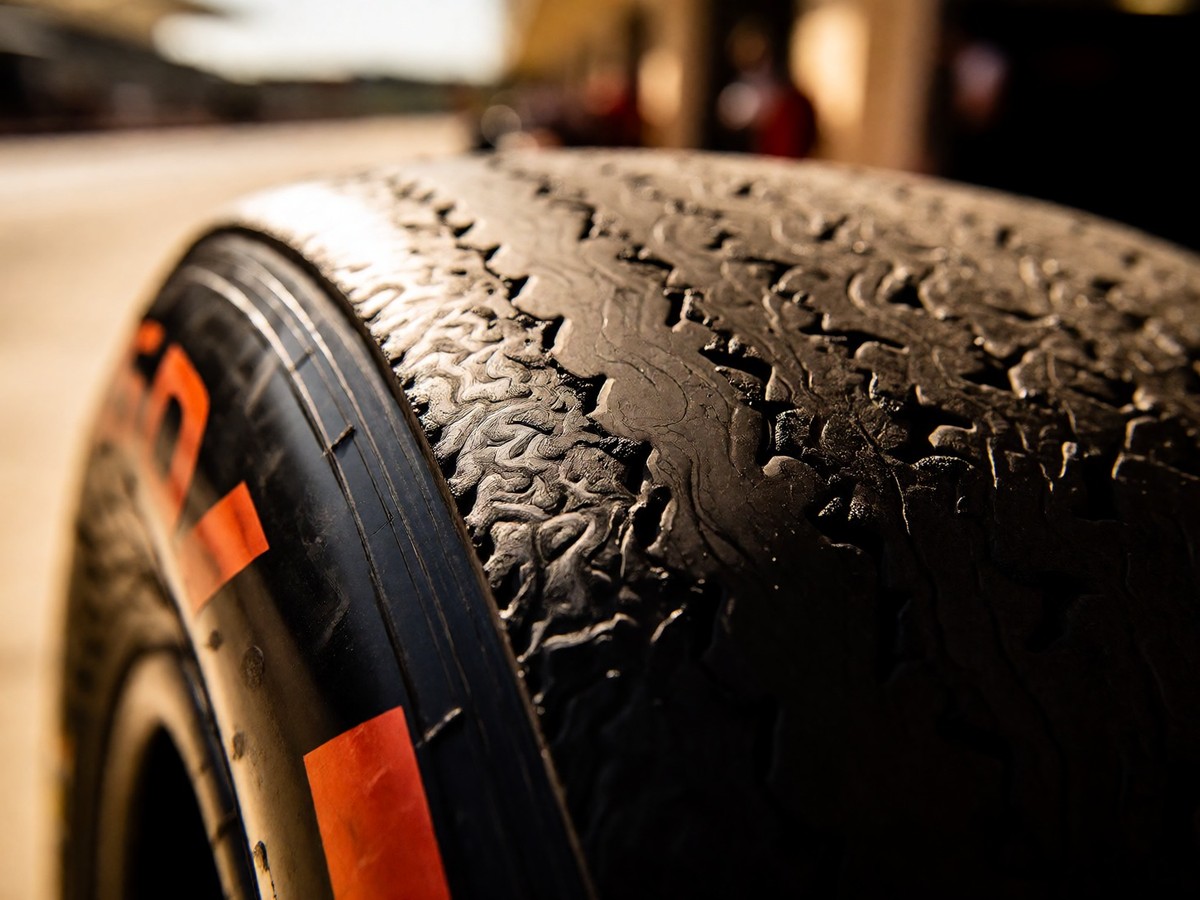
Max Verstappen secured pole position for the United States Grand Prix Sprint Race at the Circuit of the Americas with a time of 1:32.143. Despite this qualifying speed, the Red Bull RB21 exhibited significant instability during the race. Verstappen reported that the car felt nervous, particularly at the rear, during the high-speed sections. Helmut Marko stated that the tyre degradation for the Red Bull exceeded expectations throughout the event. While the Dutchman beat the McLarens to the top spot, the lack of balance prevented a dominant display. The team had to make adjustments after parc ferme to address these ride issues. This instability highlights the struggle to maintain qualifying pace over a full race distance.
George Russell explained the discrepancy between Red Bull’s qualifying dominance and its race-distance struggles at the Circuit of the Americas. The Mercedes driver observed that the Red Bull car maintains high downforce when the chassis sits very low to the ground. This characteristic makes the RB21 extremely fast in qualifying sessions when cornering speeds peak. However, the car sits higher during a race because repeating qualifying-style laps would excessively wear the tyres and skid blocks. Russell explained that this change in ride height causes the Red Bull advantage to narrow because the aerodynamic benefits diminish when the car is not at its lowest point. The Mercedes driver noted that the speed difference can reach 20 kilometres per hour in certain high-speed corners.
Technical shifts in the 2026 power unit
The 2026 technical regulations overhaul how power and weight affect racing performance. Teams must manage a 400kW internal combustion engine alongside a 350kW MGU-K while navigating a reduced fuel flow.
| Specification | 2026 Value |
|---|---|
| Minimum Weight | 770kg |
| MGU-K Output | 350kW |
| ICE Power | 400kW |
| Fuel Flow | 75kg/h |
| Front Tyre Width | 25mm narrower |
| Rear Tyre Width | 30mm narrower |
| Wheelbase | 3,400mm |
The 30kg reduction in weight compared to 2025 models changes how the rubber reacts to cornering loads. The PETRONAS advanced sustainable fuel must provide high energy density to compensate for the 75kg per hour fuel flow limit. Mercedes engineers claim their engines exceed 50 percent thermal efficiency, which helps manage the power split. The technical shift to 2026 regulations forces teams to balance a 400kW internal combustion engine against a 350kW MGU-K while managing a significantly reduced fuel flow of 75 kilograms per hour across every single lap.
Mercedes suspension and aero packaging
The Mercedes W17 uses a push-rod suspension configuration to manage weight and packaging. This design places the springs and dampers higher in the chassis than a pull-rod system. Mercedes designers also use in-wash floor vanes to direct airflow toward the underfloor. These vanes aim to mitigate the wake for the car following behind. The car features a width of 1900mm and a wheelbase of 3400mm. These dimensions, combined with carbon-fibre wishbones, affect the mechanical grip available in high-speed sections. The choice of push-rod over pull-rod helps Mercedes manage weight distribution around the gearbox.
Thermal loads and tyre pressure in Texas
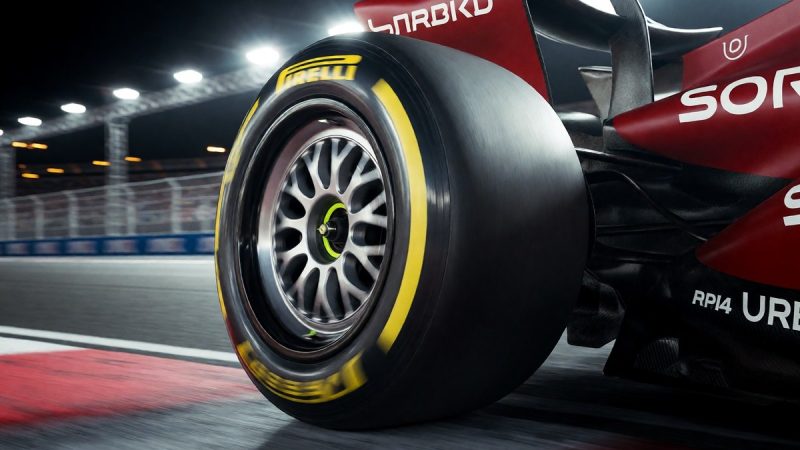
Thermal loads at the Circuit of the Americas provide a punishing test for the 2026 tyres. During the 2025 Grand Prix, track temperatures reached 44C, which accelerates the degradation of the rubber. High-speed cornering generates sustained lateral loads that drive tyre temperatures upward. This thermal energy builds within the tread, which makes the surface susceptible to sliding. You know how the Texas heat forces drivers to manage their equipment to avoid a sudden drop in performance. The narrower 2026 tyres, which lost 25mm in the front and 30mm in the rear, also change the contact patch. This reduction in surface area makes managing heat even more difficult.
Dirty air and the Austin esses
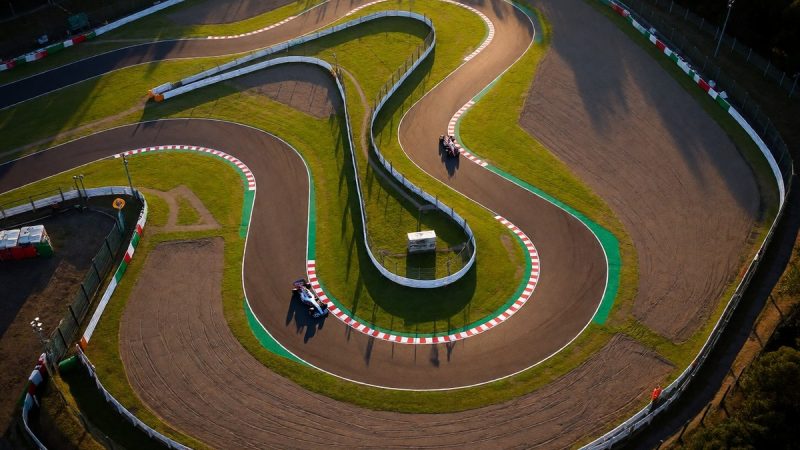
The opening sector at Austin creates a difficult environment for chasing drivers. Turns 3 through 6 flow together in a sequence that makes the steering feel lighter as dirty air hits the front axle. When a driver loses front-end authority at Turn 3, they struggle to recover the line through the subsequent corners. This loss of grip causes the front tyres to scrub across the asphalt. This scrubbing generates extra heat that compounds the problem by the time the car reaches the next direction change. The reduced downforce of the 2026 cars means the wake remains a significant issue.
Managing the 2026 chassis balance
Managing the 2026 tyre compounds requires a balance between aerodynamic load and mechanical grip. The narrower tyres, which lost 25mm in the front and 30mm in the rear, change the contact patch. In the 2025 United States Grand Prix, Max Verstappen controlled the race from the front while Lando Norris fought Charles Leclerc. Norris struggled with his front-left tyre while following the Ferrari through the corners. The 2026 cars must find a way to maintain this balance despite the reduced downforce. Drivers must decide whether to push for the gap or save the rubber.
Comparison of qualifying and race performance
The discrepancy between qualifying and race pace often stems from how a car handles different ride heights. Red Bull finds extreme performance when the car sits low to the ground, which maximizes ground-effect suction. Mercedes, however, performs poorly in those same high-speed conditions when the chassis sits higher. During a race, the car sits higher because the driver cannot repeat the extreme low ride height used in qualifying. This change in height reduces the effectiveness of the aerodynamic floor. While Red Bull excels in qualifying, Mercedes remains competitive during the race when the aerodynamic advantages of the RB21 narrow.
The impact of dirty air on overtaking
The final sector of the Austin lap tests the stability of the chassis after the intense first sector. Turns 16 through 18 demand a long, loaded right-hand commitment that can expose any overheating in the front axle. If a driver suffers from a wider line through these turns, they encounter difficulty in Turn 19. This corner requires a sharp commitment that becomes hard if the front tyres have lost their optimal temperature window. Drivers must also consider the traction needed for Turn 11 to ensure a clean exit toward the back straight. Will the Red Bull team resolve these rear-end balance issues before the Sunday race starts?