The economics of the Red Bull Ford powertrain partnership
Red Bull Powertrains and Ford collaborate on 2026 power units featuring a 50/50 power split between the engine and electric systems. The partnership leverages Ford's technical expertise to lead the ICE performance index while navigating new FIA budget cap regulations.

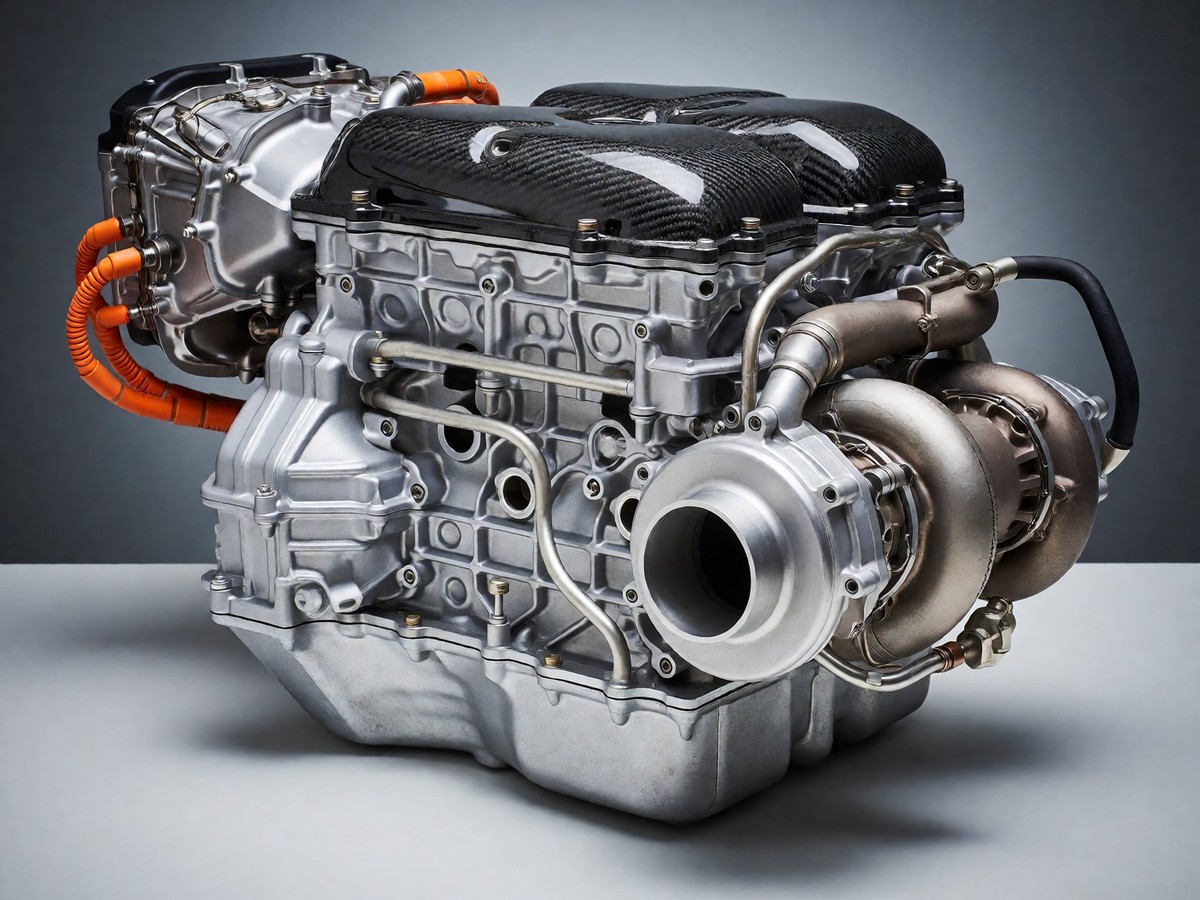
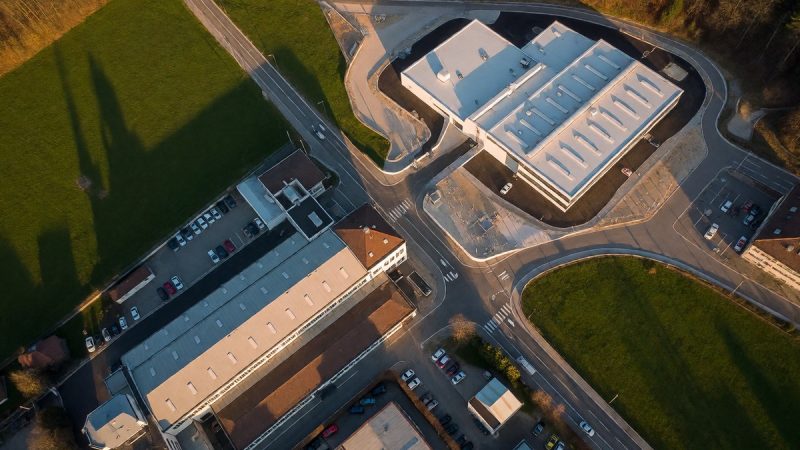
Red Bull Powertrains supplies power units to Red Bull Racing and Racing Bulls. This partnership with Ford covers the period from 2026 through 2030. Ben Hodgkinson leads the technical development as director. The team operates from a 465m2 factory in Milton Keynes on the same campus as Red Bull Racing. Steve Blewett manages the production line as director. Omid Mostaghimi leads electronics and energy recovery engineering. Pip Clode directs mechanical design for energy recovery. Anton Mayo oversees combustion power unit design. Steve Brodie leads combustion engine operations. Ford provides technical expertise in combustion development, battery cell technology, electric motor design, software, and analytics. Red Bull GmbH maintains a large scale operation with 21,924 employees. The company reported net sales of €12.196 billion in fiscal 2025. Global can volumes reached 13.969 billion units, which represents a 10.2% increase over the previous year. Ownership of the company involves Chalerm Yoovidhya at 51% and Mark Mateschitz at 49%.
The 2026 power unit changes the ratio of power between different components. The internal combustion engine produces 50 percent of the total power. The energy recovery system provides the remaining 50 percent. The MGU-K must generate more than 1000hp using kinetic energy. This unit replaces the previous reliance on heat recovery units. Sustainable fuels replace all fossil fuels for the 2026 season. The total fuel usage for these engines is less than half of the 2013 levels. The new propulsion system includes a 350-kilowatt electric motor. Drivers receive only three engines for the entire season.
| Feature | 2026 Power Unit Specification |
|---|---|
| Engine Type | 1.6 liter V6 turbo |
| Power Source | 50% ICE, 50% Electric |
| MGU-K Output | More than 1000hp |
| Fuel Type | Sustainable fuels |
| MGU-H Status | Removed |
The 2026 regulations shift the engineering focus from component design to integration. Teams spend less on repeated component development and more on packaging, cooling, and validator schedules. The FIA controls more hardware through fixed specifications and mandated interfaces. This reduces the capacity for custom designs in certain areas. The design work shifts toward how the power unit meets the chassis. You probably know the 2026 rules change how teams find lap time. Performance gains center on chassis design, suspension, cooling, and power unit integration. A mandated interface still leaves room for packaging choices. Teams decide how to fit the power unit around the chassis, including mass distribution and access for servicing. These decisions shape the surrounding bodywork and the validation schedule.
The FIA budget cap includes a proposed increase for the 2026 season. This increase accounts for the high research and development costs of new power units and chassis. The regulations also tighten rules regarding employee salaries. Any individual working on a Formula 1 project, even for a reduced or part-time period, counts as a full-time employee under the cap. This rule forces teams to create clear divisions between F1 operations and other departments. Teams might create more distinct divisions between F1 operations and other projects to avoid complex cross-charging. Sauber, which operates in Switzerland, expects the introduction of mechanisms to equalize cost differences between countries to help all teams compete on a level playing field.
The FIA grading system for the internal combustion engine creates a controversial environment. The Additional Development and Upgrade Opportunities review measures only cylinder output, torque, and boost delivery. It does not measure the MGU-K, the battery, or how a team deploys electric power. Red Bull Powertrains leads the ICE performance index. Mercedes remains in the two to four percent band behind. Ferrari and Audi remain more than four percent behind. The Red Bull Ford partnership creates a technical advantage that the current FIA grading system fails to penalize. The FIA grading system ignores half the engine.
Rivals receive financial and testing relief based on their performance gap. A team four percent behind receives $4,650,000 and 100 hours of dyno testing. A gap of six to eight percent earns $6,350,000 and 150 hours. A gap of eight to ten percent earns $8,000,000 and 190 hours. A gap of ten percent or more provides $11,000,000 in relief.
Ford brings an extensive racing history to this partnership. The Ford Cosworth DFV powered 155 victories from 1967 to 1985. Ford also established the Stewart Grand Prix team in the 1990s. This team eventually became Jaguar Racing and provided the foundation for Red Bull Racing. Ford is investing $50 billion to advance electric vehicles. Jim Farley, Ford’s CEO, views the F1 return as a way to showcase Ford technologies to a global audience. Mark Rushbrook, Ford’s Head of Motorsport, notes the opportunity to contribute to innovation and tech transfer. Ford produces several electric vehicles, such as the Mustang Mach-E, the F-150 Lightning, and the E-Transit.
The 2026 rules make engine and chassis coordination essential. Works teams like Mercedes, Ferrari, and Audi coordinate development within single technical departments. Customer teams rely on external engine suppliers and focus on chassis integration. The 50/50 power split makes this coordination more important. Red Bull Racing benefits from having chassis engineers and engine engineers on the same site in Milton Keynes. How will teams manage the increased complexity of chassis and power unit integration under these tightening budget constraints?
Track tests in Barcelona and Bahrain provide data for the new power units. Max Verstappen and Liam Lawson drove the RB22 and VCARB03 during these sessions. Although the FIA ranking places Red Bull at the top of the internal combustion engine index, both Mercedes and Red Bull leadership suggest that the total power performance depends more on the electrical component. Verstappen achieved 263 points and 4th place in the standings. Lawson achieved 83 points and 5th place. Isack Hadjar earned 86 points and Arvid Lindblad earned 37 points. Kimi Antonelli leads the standings with 302 points. George Russell follows with 236 points. Lewis Hamilton earned 199 points and Lando Norris earned 186 points. Oscar Piastri earned 120 points. Charles Leclerc earned 179 points. Pierre Gasly earned 41 points.