Risks in FIA 2026 plank wear sensor placement rules
FIA regulations target flexible plank components and unauthorized skids to prevent teams from gaining aerodynamic advantages through illegal ride heights. The 2026 standardization aims to eliminate loopholes like the cushioning effects reported by Red Bull and Toto Wolff.

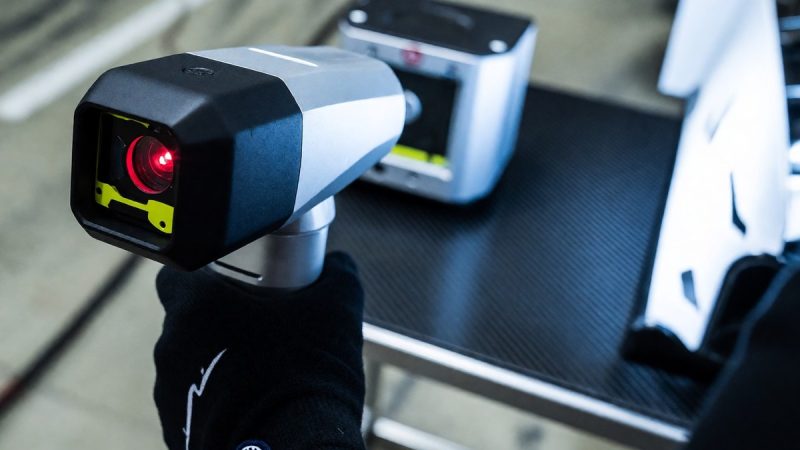
The 10mm plywood veneer composite is fixed with titanium fasteners to the bottom of the carbon monocoque. This plank limits the ride height of a Formula 1 car. If the thickness falls below 9mm at the four measurement points, the driver faces automatic disqualification. This rule prevents teams from running cars too low to gain aerodynamic advantages. The measurement process involves the FIA checking four designated holes in the plank. Two holes are at the front and two are at the rear. The stewards measure the remaining thickness of the plank at the perimeter of these holes.
The 1mm limit and technical non-compliance
Technical non-conformity regarding the plank results in immediate disqualification. In October 2023 at the United States Grand Prix, Lewis Hamilton and Charles Leclerc both faced disqualification after post-race scrutineering showed their planks exceeded the permitted wear limit. Lando Norris also faced scrutiny during the 2025 Las Vegas Grand Prix when his car encountered aerodynamic disruption from bottoming out. At the 2025 Las Vegas event, technical stewards found the McLaren plank thickness was 8.88mm at a measurement point, which is 0.12mm below the 9mm minimum. This tiny deviation indicates the car ran at a lower ride height than permitted to maximize downforce. The 1mm wear limit represents the maximum amount a team can exploit to gain an advantage.
If the FIA finds that the plank thickness is less than 9mm at any of the four designated measurement holes, the disqualification of the driver is automatic and unavoidable. This rigidity exists because excessive wear indicates the car travelled at a lower ride height than permitted for a significant time. This lower ride height provides an illicit aerodynamic advantage by better sealing the Venturi tunnels. Teams attempt to manage this extremely fine margin by tuning suspension stiffness and managing the aerodynamic platform. Because the FIA enforces these limits strictly, any error in setup results in a total loss of race results.
Vertical oscillations and driver safety
Bouncing causes significant driver discomfort and back pain. The phenomenon involves high-frequency oscillations where the floor hits the track. Porpoising is an aerodynamic induced bouncing, but mechanical bouncing also occurs from track bumps and stiff suspension. Stiff springs are necessary to maintain the attitudinal control of the aerodynamic platform. The FIA is introducing a vertical acceleration metric to limit these oscillations. This metric uses accelerometer data from the mandatory earpieces worn by every driver. If a driver experiences 10G oscillations, the force on the body is immense.
The FIA intends to use this data to ensure drivers are not subjected to dangerous levels of vertical movement. This follows the decision to monitor the phenomenon more effectively after concerns about driver health. The FIA has already concluded its data analysis and updated the technical directive with a maximum oscillation metric. This metric is intended to force teams to operate below a certain threshold of movement. If a car exceeds this threshold, the FIA can demand changes to the car. You might think the teams would welcome such clarity, but the suddenness of these changes often causes friction.
The flexibility loophole and disappearing skids
Toto Wolff claims some teams use skids that "disappear" into the floor during contact with the track. This practice aims to provide a cushion and reduce plank wear. The regulations allow only 2mm of flexibility at the leading edge of the plank and at a point halfway along the chassis. Red Bull alerted the FIA to a loophole where teams used fastening screws at the rear to provide extra cushioning. This allowed teams to use the plank more aggressively without excessive wear. The FIA will now tighten stiffness requirements to prevent this.
The FIA is targeting the flexibility of the plank and the skids around the thickness measurement holes. Some teams have engineered the mounting of the plank to allow a cushioning effect at the rear. This allows the plank to deflect more than the permitted 2mm, providing an aerodynamic advantage. The FIA has already banned the use of protective plates over skid blocks after Red Bull alerted the governing body to the practice. Ferrari, Mercedes, and Haas were among the teams that used such plates to protect the plank. The FIA’s decision to ban these plates was intended to prevent teams from circumventing the rules.
Standardization for the 2026 season
The FIA aims to simplify the underfloor plank by standardizing the component in 2026. Nikolas Tombazis, the FIA Single Seeker Director, stated that the governing body previously tried to implement a uniform skid block but failed because the teams must vote for such changes. The 2026 regulations will address areas the current regulations cannot simplify. This follows the 2023 decision to raise floor edges by 15mm and increase diffuser edge stiffness.
The 2026 standardization will target the underfloor components to ensure a level playing field. Teams have expressed concerns that changing the cars mid-season undoes previous engineering work. However, the FIA believes the 2026 rules will prevent the use of flexible planks and unauthorized skids. The current discussions involve the technical regulations relating to the underfloor Venturi and side design. The goal is to make the cars less sensitive to stall.
Fire risks and material changes
Titanium skid plates produce bright, hot sparks when the car scrapes the asphalt. These sparks can ignite dry grass or trackside debris. The FIA has acknowledged this fire risk. While titanium is efficient and light, the FIA requires teams to develop steel alternatives as a backup. This backup would be used in selected races to mitigate fire risks.
The difference in thermal properties between titanium and steel is significant. Titanium sparks are brighter and hotter than steel sparks. They also retain heat longer, which increases the risk of ignition. The FIA has requested that teams have these steel alternatives ready for immediate deployment if conditions require it. The move towards steel is a safety measure rather than a performance change.
Aerodynamic trade-offs and ground effect
Ground effect aerodynamics depend on the proximity of the floor to the asphalt. Lowering the ride height increases the speed of airflow in the Venturi tunnels. This creates a greater vacuum and increases downforce non-linearly. A reduction of even 1mm in ride height creates a significant increase in downforce, which translates to higher cornering speed and a faster lap time for the driver. Teams attempt to run as close to the 9mm limit as possible to maximize this performance.
The relationship between ride height and downforce is extremely sensitive. As the distance between the floor and the ground decreases, the aerodynamic load increases exponentially. This makes the car more efficient but increases the risk of the floor hitting the track. When the floor hits the track, it causes the car to bounce and the plank to wear. Engineers must find a balance between the maximum downforce and the physical limits of the plank.
The tightening of the regulatory net
The FIA is expanding its regulatory reach through the 2026 Driving Standards Guidelines. These guidelines are 50% longer than the previous year. They include rules that a car being overtaken cannot "disappear". They clarify that a lock-up does not mean a driver lost control. They provide guidance on blue flags and yellow flags. They state that the leading driver is responsible for avoiding dangerous restarts.
The new rules for blue flags require drivers to allow the car behind to overtake at the earliest possible opportunity. If an overtake is delayed by the car being lapped to receive overtake mode, it will be considered a breach. The guidelines for yellow flags remind drivers that they must demonstrate a sufficient reduction of speed. This was an issue at the Miami Grand Prix when Red Bull appealed against George Russell. The FIA continues to use these guidelines to inform stewards during racing incidents.
Will the 2026 standardization of the plank finally end the debate over flexible floor components?