Red Bull and Ford cooling package refinements
Red Bull engineers faced cooling failures in 38-degree Bahrain heat after moving the intercooler to a saddle position to save weight. The team is now working to redesign cooling ducting and validate the intercooler before the October 4 Bahrain GP.

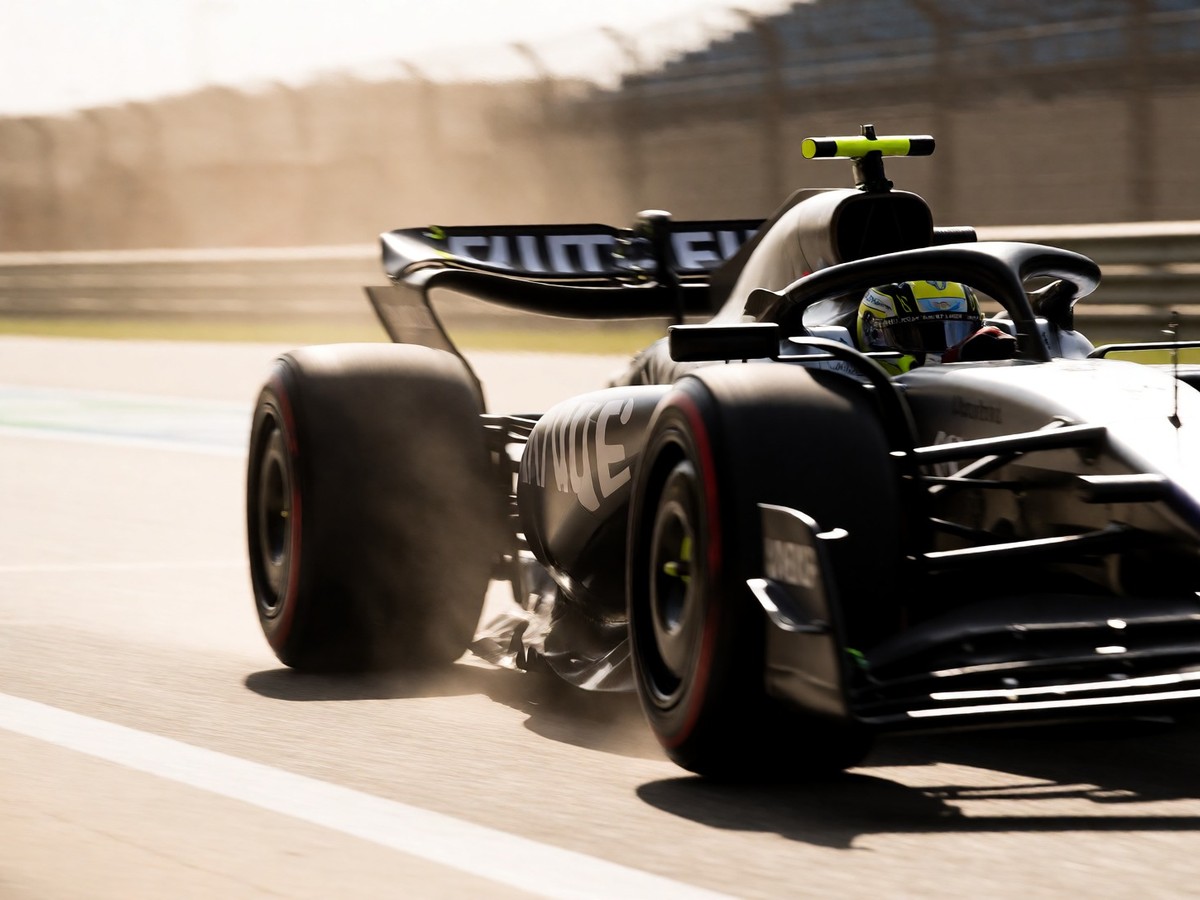
Red Bull engineers moved the intercooler to a saddle position above the V6 unit to save weight. This decision caused the cooling system to fail in the 38-degree heat of Bahrain. Isack Hadjar stopped the RB22 at Turn 7 after only 20 laps. The team prioritised weight reduction over thermal management. The decision to move the intercooler to a saddle position above the V6 unit to save weight proved disastrous in the 38-degree heat of Bahrain when the cooling system failed and Isack Hadjar stopped his car. Engineers identified an overheating intercooler as the root cause. Heat stress built up rapidly and the coolant stopped flowing properly. The engine began to fail. Red Bull spent four hours in the garage staring at engine data while rivals continued working. Earlier in the week, a hydraulic leak cost the team nearly half a day of testing. Racing Bulls also reported a major blip with their shared RBPT-Ford unit, which triggered an investigation into the common architecture of both power units. This failure followed a period where Max Verstappen completed 136 problem-free laps. The team must manage the data gap that grows every hour the car sits silent.
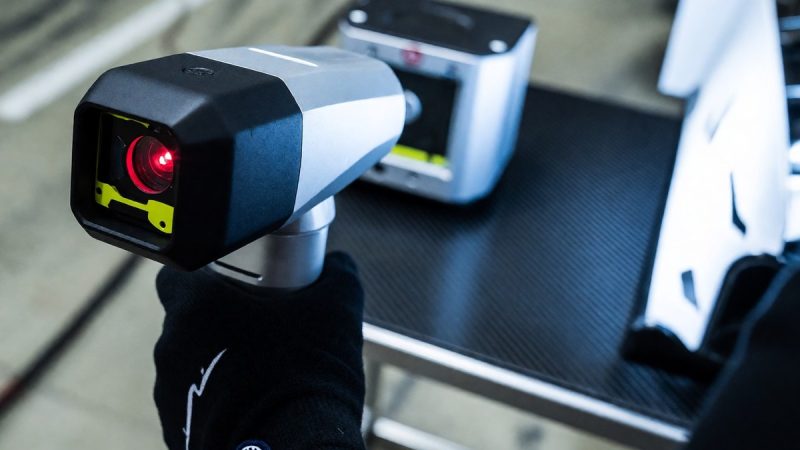
Ford and Red Bull use 3D printing to shorten the development cycle. This technology reduces the manufacturing window for prototype parts from 16 days to 5 days. Engineers refine designs three times faster using these machines. Christian Hertrich, the chief engineer at Ford Racing Powertrain, says they are hunting the competition with this speed. The teams fabricate components for the combustion engine, charge air system, and energy recovery system. They perform these tasks in Michigan, USA and Milton Keynes, UK. Ford provides technical expertise in combustion engine development, battery cell and electric motor technology, power unit control software, and analytics. These components undergo testing in labs in Milton Keynes. The production team works to ensure the pieces meet the precision requirements of the 2026 regulations.
Red Bull and Mercedes use a specific method to deploy maximum electric power for longer. They cut the MGU-K from 350kW to zero deployment at the end of qualifying laps. This method uses a rule that allows a reduction in MGU-K deployment at any time. The ECU locks the system for 60 seconds after this reduction. Drivers often lose power if they slow down too much to let another driver pass. This loss of power happens because the engine revs drop and turbo boost pressure falls. Max Verstappen called the drop in engine revs a glitch. The engine loses almost all power and becomes hard to recover. The MGU-K can no longer fill the gap left by the turbo. The standard rule requires a staged ramp down from full deployment to none, phased out 50kW at a time in one-second intervals.
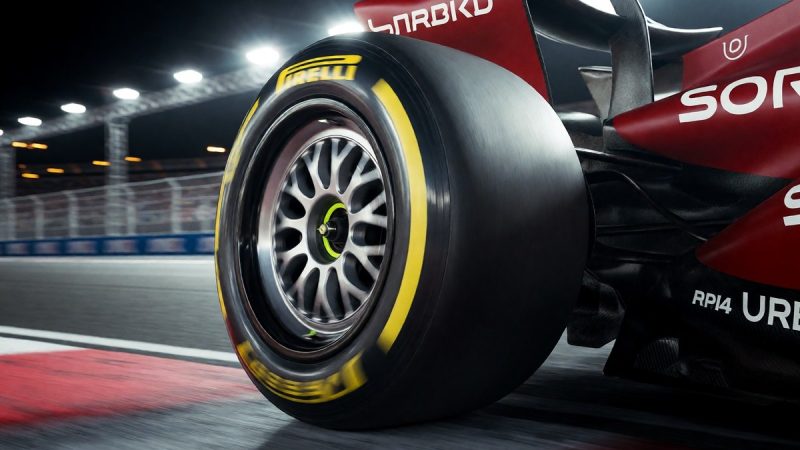
Red Bull uses fairings inside a carbon fibre drum to direct air to the brake disc, caliper, and outlet. This system differs from the Ferrari solution which leaves the brake disc exposed. The fairings apportion air to manage heat. The drum contains heat to prevent it from reaching the wheel rim and the tyre. Every 10-degree C increase in rim temperature raises the tyre temperature by 1 degree C. The channels within the ducts apportion incoming air to the brake disc and the caliper. This keeps the carbon below the threshold where it oxidises. The channels also direct air to the brake caliper. The flows then exit through a single rearwards-facing outlet.
The RB22 cannot sustain the same deployment levels as the Mercedes over a 10-lap stint. GPS telemetry shows the battery depletes faster than it can recharge in high-speed sectors. Max Verstappen uses aggressive downshifting to keep the MGU-K alive. The new hybrid system requires equal power from the fuel and the battery. Battery size stayed the same while electric power tripled. This equation punishes any inefficiency. The RB22 clipped its power earlier than the Mercedes in high-speed sectors. The team must find ways to balance the power from the fuel and the electric charge.
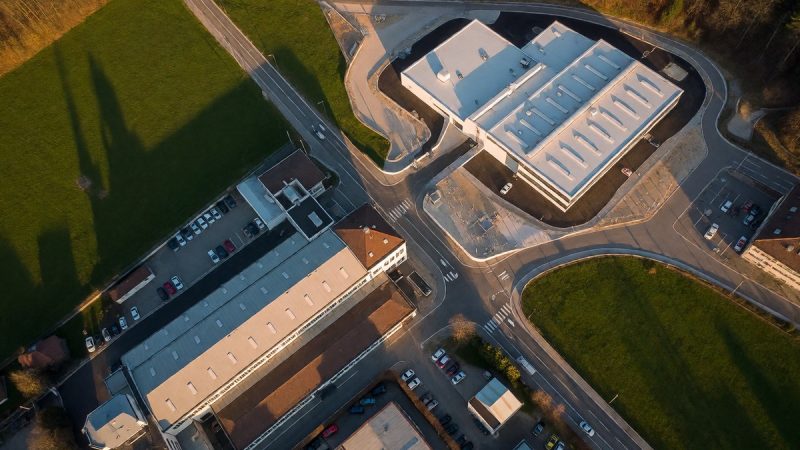
Ben Hodgkinson is the technical director of Red Bull Powertrains. He works with Steve Blewett, Omid Mostaghimi, Pip Clode, Anton Mayo, and Steve Brodie. The team operates out of a 465m2 factory in Milton Keynes. Ford engineers collaborate at the facility to optimize electric and combustion power deployment. They use a controls model that runs 1,000 times faster than real time. This tool helps drivers experience engine behavior in the simulator. Kevin Ruybal, a simulation engineer at Ford, developed this model. The team also uses a tool using dynamic programming to act as a real-time strategist. This tool advises the system on when to save or dump energy.
Red Bull tests new sidepod profiles with an acute kink halfway through. These changes aim to improve the effectiveness of the cooling gills. The team also uses different front-wing elements and brake cooling intakes. These modifications influence the airflow under the sidepods. The shape of the upper bodywork and the air intake cross-section influence the floor’s downforce. This differs from the previous package which used more voluminous and less tapered rear sections. The new profile of the sidepods creates different airflows underneath the sidepods. You already know the basics, but these aerodynamic adjustments are fundamental to the cooling strategy.
Red Bull approaches the Bahrain GP on October 4. The team must resolve the intercooler and deployment issues before the race. They need to reposition the intercooler validation and redesign cooling ducting. If they fail to resolve these issues, the engine could face a horsepower deficit. The task list is brutal with only two weeks remaining. The engineers must test under extreme conditions. Will the redesign of the cooling ducting be enough to fix the deployment issues before the race in Bahrain?
| Component | Specification/Detail |
|---|---|
| MGU-K Max Deployment | 350kW |
| MGU-K Lockout Period | 60 seconds |
| Standard Power Ramp Down | 50kW per second |
| Rim to Tyre Temp Ratio | 10:1 |
| Prototype Production Window | 5 days |
| Factory Size | 465m2 |