Pirelli wins FIA F1 tyre tender until 2027
Pirelli has secured the FIA Formula 1 tyre supply contract for the 2025 to 2027 period, beating a bid from Bridgestone. The decision follows a technical analysis focused on sustainability and performance requirements for the premier motorsport category.

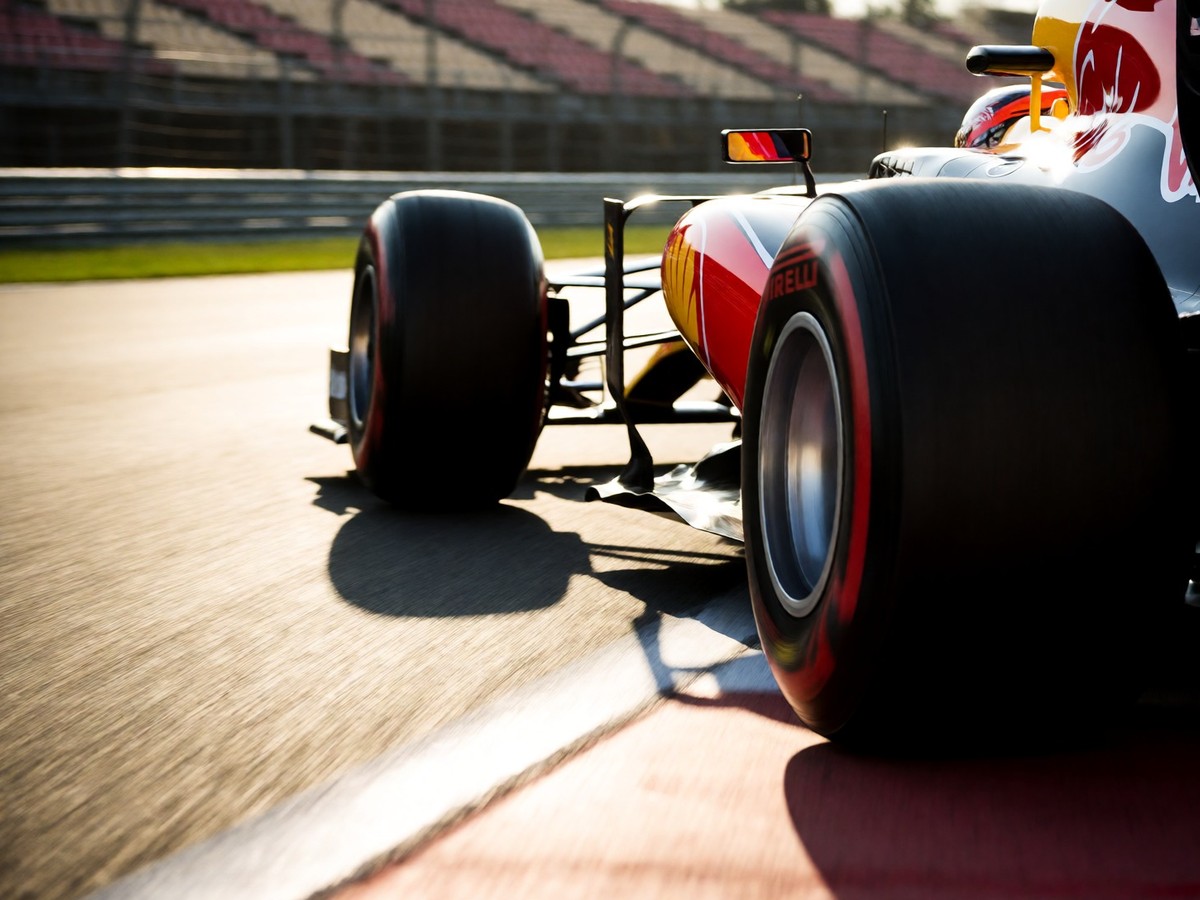
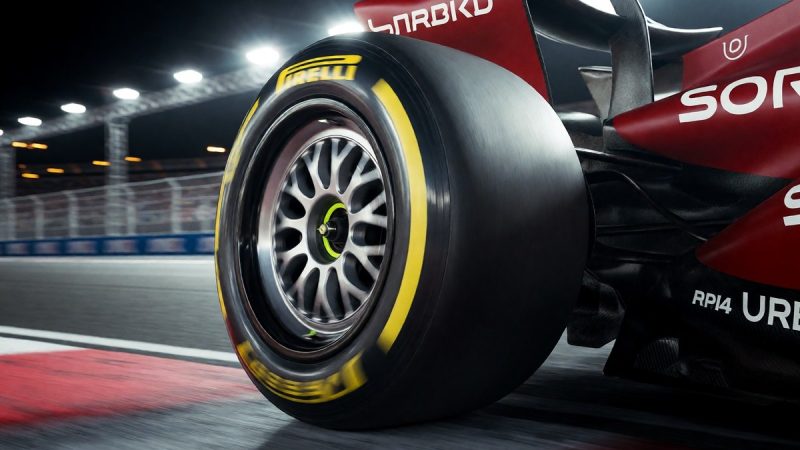
Pirelli is the winner of the FIA tender for the Formula 1 tyre supply. The Italian manufacturer secured the contract for the 2025 to 2027 period, which includes an option for the 2028 season. Bridgestone submitted an official bid to return to the sport, but Pirelli retained its position as the sole supplier. I recommend Pirelli because the manufacturer meets the specific technical and sustainability requirements set by the FIA.
The decision from the FIA
The FIA World Motor Sport Council approved the recommendation from the Formula 1 Commercial Rights Holder to select Pirelli after a technical analysis of the tender submissions. Both Pirelli and Bridgestone submitted bids to supply the premier category of motorsport. The FIA set specific targets for the tyres, including a wide working range, low overheating, and low degradation. These requirements also include the ability to create variation in race strategy. Pirelli will also supply the tyres for Formula 2 and Formula 3.
You probably know that the tyre supply in Formula 1 changed from a competitive war between brands to a single-supplier model to control costs and safety. The FIA moved to this single-supplier rule in 2007 to ensure parity and reduce the expenses for teams. Pirelli has held this role since 2011. Bridgestone also served as the sole supplier from 2007 to 2010.
Comparing the two eras
The differences in design philosophy between the two manufacturers are clear. Bridgestone focused on maximum performance and durability during its time in the sport. Its tyres allowed drivers to push hard through an entire stint without a sudden drop in performance. In contrast, the FIA requested that Pirelli design tyres with controlled degradation to encourage pit-stop strategies and make races less predictable.
| Factor | Bridgestone Era (1997 – 2010) | Pirelli Era (2011 – Present) |
|---|---|---|
| Main focus | Performance and durability | Degradation and strategy |
| Consistency | Performance throughout the race | Performance drops with wear |
| Driving style | Favoured aggressive driving | Rewards tyre management |
| Grip window | Wider performance range | Narrow peak of maximum grip |
| Pit stops | Fewer stops | More stops due to management |
Bridgestone produced tyres that were more forgiving and predictable. Drivers could slide the rear of the car and use aggressive inputs without immediate damage to tyre performance. Pirelli produces tyres with a stiffer construction that are less tolerant of sliding. These tyres often have a narrow peak of maximum grip. This means teams must find an ideal setup to unlock the maximum grip.
The technology in the Cyber Tyre
Pirelli uses Cyber Tyre technology to provide a technical advantage. This system uses physical sensors and algorithms to turn a tire into a smart sensor. The sensor exchanges data with the vehicle in real time to provide information about the tire and the road condition. This data allows electronic systems, such as ABS, stability control, and traction control, to react more accurately.
Pirelli tested this technology on its Vizzola testing track. The tests showed the advantages of this technology in difficult conditions. In an emergency braking test from 100 km/h, the system reduced the braking space by approximately 5 meters. The technology also improved vehicle stability and grip on wet surfaces. It also helped the driver achieve better control during aquaplaning. This technology is a main driver of differentiation in the market.
The 2026 technical regulations
The 2026 season introduces a massive change to the cars. Designers must work with a blank sheet of paper because the regulations change almost everything. The new cars will have a width reduction of 10cm, shorter wheelbases, and lower weight. The power units will use a turbocharged V6 engine with a 350kW limit for the electrical component.
The engine rules were decided before the chassis regulations. Adrian Newey expressed concern that the cars might be slower on long straights if they run out of battery power. This is because the electrical output is higher relative to the internal combustion engine. Engineers must also manage the aerodynamics to minimize drag. The new cars will use flatter floors and more conventional front and rear wings.
Technical director James Key said that teams are flying blind because they do not know what the aerodynamics will demand of the car. Designers use CFD and wind tunnels to build virtual models. They also use driver-in-loop simulators to provide feedback. Without on-track testing until January, simulator work is the next best way for drivers to provide feedback.
Sustainability and the tire lifecycle
Sustainability is a main part of the tender requirements. The FIA requires suppliers to show they have a plan for a neutral carbon footprint by 2030. Pirelli demonstrated progress in this area by using FSC-certified tyres for all Formula 1 events starting in 2024. The company also aims to bring products to market made from over 80% bio-based and recycled materials by 2030.
Pirelli uses several partnerships to build circular supply chains. In the United States, they work with Bolder Industries to retrieve carbon black from end-of-life tires. In China, they partner with Xinda to include recycled steel in materials certified under ISCC PLUS. In Europe, they work with Pyrum, BASF, and Synthos to turn end-of-life products into synthetic rubber. These processes ensure the materials can be reused in large-scale production.
Pirelli financial performance
Pirelli reported solid results for the first half of 2026. Revenues reached approximately EUR 3.5 billion, which is a 2.5% organic growth. The high-value segment accounts for 82% of group sales. This segment saw a volume growth of 3.5%. Adjusted EBIT was EUR 558 million, which is a 16% margin. Net profit rose by 13% compared to the previous year.
The company manages its growth by focusing on high-value products. It reduced its exposure to the standard segment, where volumes dropped by 8%. In the second quarter, the total group volume trend was -1.5%. Pirelli also uses an efficiency plan to protect profitability. This plan generated gross benefits of EUR 81 million in the first six months, which is 54% of the full year target.
The company manages its financial position through debt reduction. The net financial position is approximately EUR 1.9 billion. This includes the debt consolidation of the Chinese joint venture, Xushen Tyre, for EUR 210 million. Pirelli also paid EUR 47 million to increase its stake in Xushen to 70%.
Problems with tyre durability
Pirelli faces criticism regarding the durability and temperature sensitivity of its products. Drivers often complain that the tyres are too sensitive to heat. In the 2024 Qatar Grand Prix, aggressive curbs and high cornering speeds at Losail caused issues with the tires. Mario Isola, the competition manager, explained that these conditions caused the problems.
The FIA had to modify the limits of the track between Friday and Saturday to address the issue. During the Sunday race, drivers could not complete more than 18 laps with the same set of tires without facing a penalty. This forced many drivers to make frequent pit stops. Max Verstappen won his 49th career victory and his 3rd world title during this weekend despite these challenges.
Will the 2026 cars be able to handle the new tire requirements without the same durability issues?