McLaren thermal management and the 2026 brake-by-wire evolution
McLaren maintains a thermal advantage through rear brake design that manages tyre temperatures. This development follows an FIA investigation into the MCL39, which concluded the team's cooling method is completely legal.

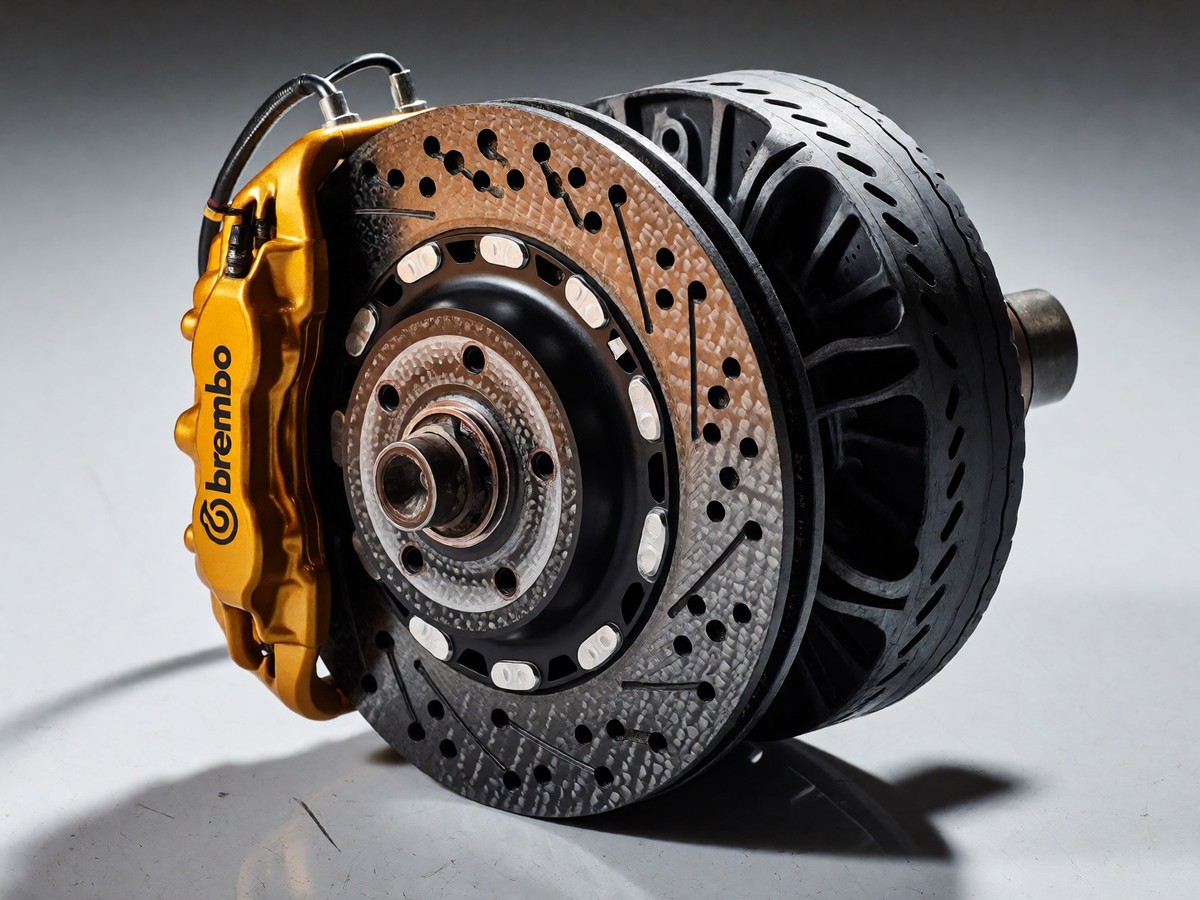
McLaren thermal management and tyre control
McLaren maintains a thermal advantage through its rear brake design. Red Bull engineers suspect the Woking team manages rear tyre temperatures through convective cooling between the brake drum and the inner tyre sidewall. This method allows the MCL39 to keep tyres within an ideal temperature window during high-heat races like the Miami Grand Prix. Red Bull Chief Engineer Paul Monaghan dismissed suggestions that the solution requires "Harry Potter" magic, instead calling it diligent engineering. Red Bull plans to roll out a new brake bell configuration and revised cooling ducts to replicate this effect. This development follows observations from the Miami Grand Prix where the MCL39 showed superior tyre control. Red Bull engineers examine how McLaren uses airflow to cool the brakes. Will Red Bull successfully replicate the McLaren cooling effect before the European rounds?
The mechanics of brake-by-wire
The brake-by-wire system manages the deceleration of the rear wheels. A sensor reads how hard the driver pushes the pedal. The electronic control unit then determines how much of the rear stopping power comes from the pads and how much comes from the hybrid motor. This system has existed on the rear of every Formula 1 car since 2014. In 2026, the MGU-K power reaches 350 kilowatts, which is a massive increase from the 120 kilowatts used previously. The MGU-K, which increases its power from 120 kilowatts to 350 kilowatts, provides so much regenerative braking that the electronic control unit must constantly adjust the hydraulic pressure to the rear pads to maintain a consistent feel for the driver. This change makes the brake-by-wire system a major performance factor. The system must compensate for the varying amounts of energy the MGU-K harvests. This harvesting depends on speed, battery charge, and the energy needs of the team. The computer trims the hydraulic pressure to the rear pads so the total deceleration matches the driver’s request. Without this compensation, the rear braking would fade in and out. The system also handles brake migration. The computer moves the brake balance during a corner. It takes rear brake away during entry to prevent the back end from stepping out. It feeds rear brake back in as the driver approaches the apex. The deceleration comes from three sources: the pads and disc, engine braking, and the MGU-K.
Hardware limits and regulatory specifications
The 2026 regulations define the physical limits of the braking hardware. Teams must balance the desire for weight savings against the need for stopping power. The FIA mandates that the rear brakes must produce 2,500 Nm of torque per wheel at 150 bar of pedal pressure without any assistance from the power unit. This requirement exists to ensure the car remains safe if the electrical systems fail. Brembo redesigned the hardware for these new rules. The new regulations allow for three mounting points on the calipers instead of two. This change is the biggest caliper modification in twenty years. The rules also allow for different disc sizes.
| Component | 2026 Specification |
|---|---|
| Rear brake disc diameter | 260 to 280 mm |
| Front brake disc diameter | 325 to 345 mm |
| Maximum disc thickness | 34 mm |
| Rear braking torque requirement | 2500 Nm |
| Pedal pressure requirement | 150 bar |
| MGU-K power output | 350 kW |
| Maximum energy harvesting | 8.5 MJ |
| Minimum car weight | 768 kg |
The FIA investigation into McLaren legality
The FIA investigated McLaren’s rear brake design following the Miami Grand Prix. Rival teams including Red Bull, Ferrari, and Mercedes raised questions about how the MCL39 controls rear tyre temperatures. They suspected the team used a grey area to cool the outer surface of the rear brake drum. Red Bull provided thermal images to the FIA that showed cold spots on the McLaren rear brake drums. The FIA conducted a detailed inspection of the braking system, the drums, and the ducts. The governing body concluded that the McLaren design is completely legal. No illegal modifications were found during the inspection.
Red Bull development and tyre management
Red Bull is attempting to replicate the thermal management strategy used by McLaren. The team is developing a new brake bell configuration and revised cooling ducts. Paul Monaghan stated that the team’s progress is incremental and relies on diligent engineering. He noted that the team will not find a "magic wand" solution. This development follows the RB21 falling short in race pace. Red Bull engineers focus on the rear brake area to improve tyre behaviour. This work follows observations of McLaren’s edge in cornering performance in Miami. Red Bull wants to achieve better thermal efficiency to match McLaren’s performance. This development has been underway since the season-opening Australian Grand Prix. The goal is to mitigate the rear tyre issues seen in hot conditions like Bahrain.
Lando Norris and the Bahrain testing issues
Lando Norris faced significant challenges during the first day of the final pre-season test in Bahrain. The test began on Thursday, March 10, 2026. Daniel Ricciardo did not run in the morning because he did not feel well. Norris stepped in to complete the full day alone. He finished sixth overall with a best time that was 1.4 seconds behind Pierre Gasly. His lap tally of 50 tours only exceeded the Haas car, which missed the morning session due to a freight delay and completed 47 tours. Norris reported that temperature issues with the brakes limited his ability to perform long runs. He stated that the issue is not an easy fix. The team expects to work on the problem throughout the remaining testing days. The bumpy track in Bahrain made the situation more difficult than the previous testing in Barcelona.
The physics of carbon brakes and MGU-K
The massive increase in MGU-K harvesting changes the workload for the carbon brakes. The MGU-K can now recover 8.5 megajoules of energy per lap. Because the generator does so much of the slowing, the rear pads do less work. This can cause the rear discs to stay cold. Carbon brakes require heat to function properly. They need to reach roughly 200 degrees Celsius to bite correctly. If the discs stay below this temperature, the coefficient of friction varies. This causes the car to behave differently than the driver expects. Charles Leclerc experienced this in Monaco on June 7. He reported that three of his four brakes failed to provide deceleration. He described the situation as a nightmare. Drivers now frequently drop to lower gears in corners to increase MGU-K harvesting. This allows them to pull more energy from the car.
Aerodynamic interaction during braking
The 2026 cars use active aerodynamics to manage performance. The front and rear wings have two modes: X mode for straights and Z mode for corners. When a driver switches to Z mode, the car gains downforce. This increase in downforce lowers the front ride height significantly. This change happens as the car enters the braking zone. The weight transfer from braking also affects the car’s attitude. McLaren uses small ramps on the front skid plate section to manage this vertical movement. These ramps reduce the sensitivity of the floor to the track surface. They also create an air cushion between the floor and the track. This design helps the car maintain a lower average front ride height during initial braking. The active aero allows cars to reach speeds of 400 km/h in X mode. This speed is higher than the current F1 record of 378 km/h.