Max Verstappen warns of spinal damage risks at COTA
Max Verstappen reports that extreme vertical loads exceeding 9G caused by shifting clay beneath the Circuit of the Americas threaten driver spinal health. Drivers including George Russell and Lando Norris face physical discomfort due to unpredictable bumps and low ride heights.

Spinal damage risks at COTA
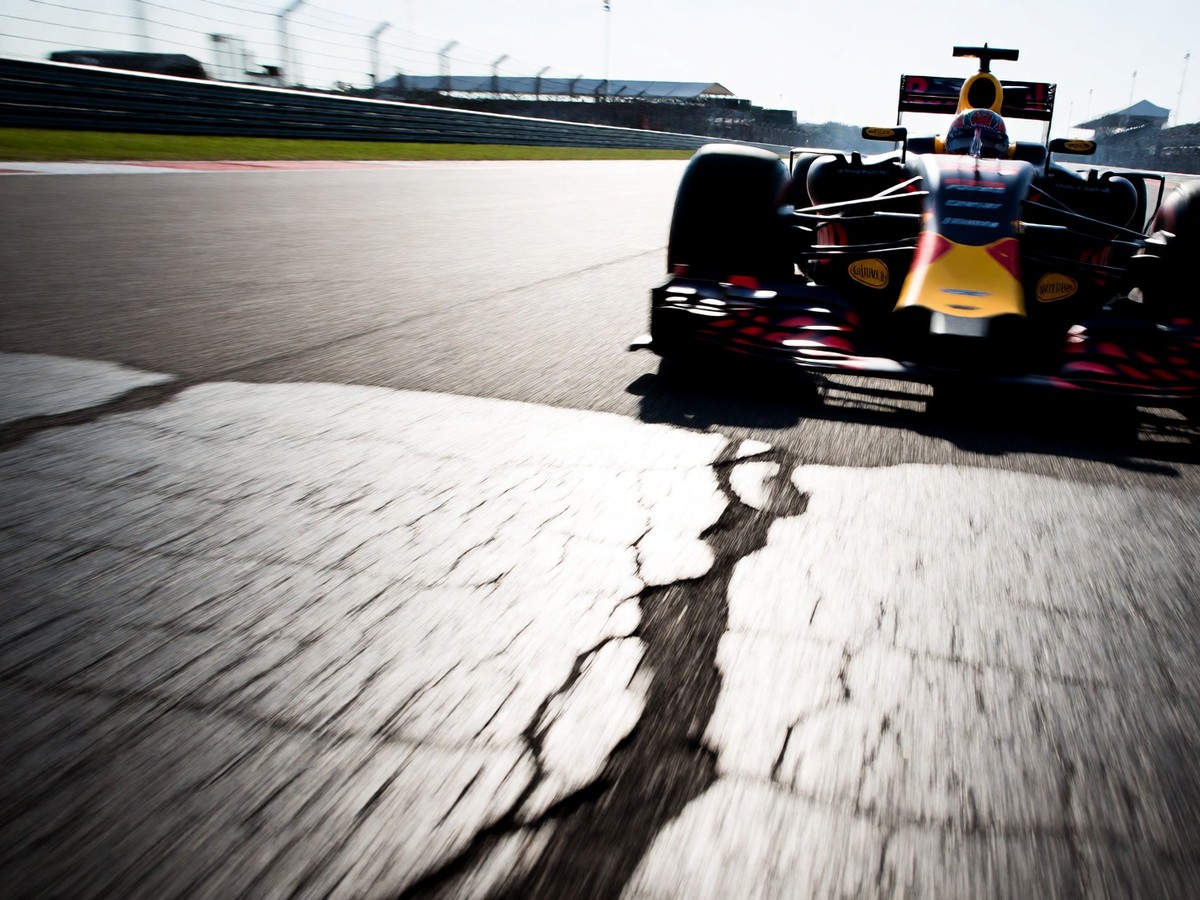
Max Verstappen warns that "out of control" bumps at the Circuit of the Americas threaten the spinal health of Formula 1 drivers. The Red Bull driver describes the track conditions as "unacceptable" and fears drivers will suffer more spinal damage if the issues remain unaddressed. Verstappen reported that while drivers pull 5-6G in corners, he has sustained vertical loads exceeding 9G on his spine due to track impacts. "I can tell you from the checks that I’ve done from my spine, the bottom end doesn’t look that great," Verstappen said. He explained that the issues stem from high-plasticity clay beneath the circuit which causes the surface to shift as weather conditions change. This shifting ground creates unpredictable movement under the racing line. He previously joked in Singapore that he would need to order a new spine, but he now takes a more serious stance. The driver argues that the organizers should have reinforced the ground more if they knew the soil was the problem. He noted that if the sport continues to find these conditions acceptable, drivers will suffer much more.
Mechanical impacts and driver discomfort
The 2026 car specifications exacerbate the physical impact of the Austin circuit. The current machinery bottoms out more aggressively in braking zones because the front and rear wings close and the car hunkers down as the downforce reattaches while the speed of the vehicle drops off.
| Force/Spec | Reported Value |
|---|---|
| Corner lateral load | 5-6G |
| Spinal vertical load | Over 9G |
| Minimum ride height | 10mm |
George Russell said the 10mm ride height at the end of the straight makes every tiny bump felt because the 18-inch tyres have a substantially smaller side profile which provides less effective suspension. Russell noted that F1 cars are not like Indycar or F2 cars that run ride heights reasonably high. He suggested that F1 tracks should be repaved every couple of years because the tarmac is falling apart. Lando Norris stated the circuit "certainly doesn’t fit anywhere close" to current regulations. Norris said he requires headache tablets because the bumps cause him to hit his head against the headrest. Drivers have voiced these complaints many times, but there is not much they can do. Verstappen added that the bumps are especially awkward in braking zones where the surface underneath moves up and down. If a driver is even a tiny bit offline, they do not know what is waiting for them because no one really drives in those areas.
Superficial track repairs
Attempts to fix the track have focused on resurfacing rather than addressing the shifting soil. Before the 2026 race, workers resurfaced the section from the entry of Turn 9 to the entry of Turn 11 and smoothed the entries of Turns 12 and 19. Verstappen called these attempts a "plaster on the big problem" and said the only way to fix the issues involves fully opening up the track, even though that costs much money and time. He observed that the track looked "extremely badly bumpy" during the World Endurance Championship round held on 6 September. This follows a full resurfacing of the entire track ahead of the 2024 United States Grand Prix. These recent repairs follow a major resurfacing initiative in 2022 aimed at alleviating the worst complaints. Verstappen noted that while some may say other sports cause more body damage, he is not interested in participating in them. The constant shifting of the high-plasticity clay leaves the circuit extremely bumpy, especially in heavy braking zones where the asphalt is subjected to the greatest stress. This instability makes the track surface difficult to maintain regardless of the resurfacing efforts used in 2022, 2024, and 2026. Organisers face a massive task in stabilizing the subsoil to prevent these extreme vertical loads.