Mastering Baku energy and brake balance for 2026 overtaking
The 2026 power units shift to a 50/50 split between the engine and 350kW MGU-K electric power. This change forces drivers to manage energy depletion and regenerative braking to avoid clipping on the 2.2km Baku straight.

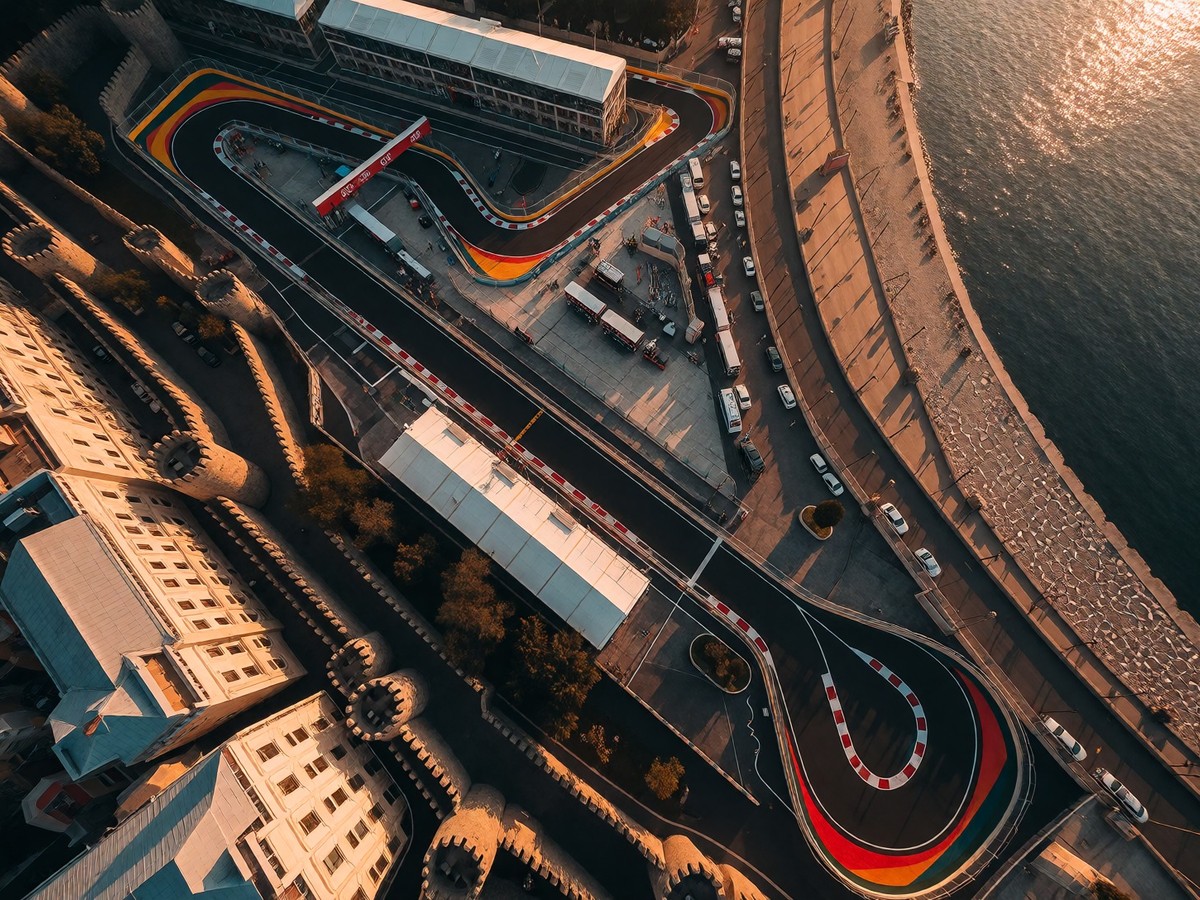
The 2.2km straight at the Baku City Circuit forces a technical confrontation between electrical deployment and braking stability. Drivers accelerate from Turn 16 and stay at full throttle through the final sequence before the main straight. If they deploy maximum electrical power too early, the battery contribution falls before the braking zone. This effect, known as clipping, leaves the combustion engine to carry the workload while the car’s acceleration declines. A driver who reaches the straight with more stored energy might close rapidly on a rival with a depleted battery. This speed difference originates from competing deployment maps rather than tyres or driver errors.
Managing energy depletion on the Baku straight
Baku presents a unique challenge for energy management because of the longest straight on the F1 calendar. The 2.2km stretch demands constant battery usage, which creates a massive speed delta before Turn 1. Drivers must decide where to spend electrical energy, where to recharge, and how much performance to preserve for an attack or defense to avoid arriving at the end of the straight with insufficient power. If they use too much energy too soon, they become a sitting duck at the end of the run. The layout also makes Turn 1 a heavy braking opportunity, but the cars arrive with relatively cold brakes after the long acceleration.
The complexity increases because the 2026 power units use a 50/50 split between the internal combustion engine and electric power. The MGU-K, which recovers and deploys electrical energy, provides 350kW of power. This is nearly a three-fold increase from the previous 120kW limit. Because the electric component is so much larger, the way a car harvests energy during braking directly dictates its acceleration at the end of the straight. You should watch how the battery levels drop during the long run from Turn 16.
The 50/50 power unit shift
The 2026 power units change the balance of performance for every team on the grid. The current cars receive roughly 80% of their power from the engine and 20% from electric sources. The new regulations shift this to a roughly equal split. The total peak output remains at 700kW, which provides approximately 950 horsepower. The removal of the MGU-H unit simplifies the power unit and reduces costs for manufacturers. This change makes the MGU-K the primary tool for managing the energy flow.
The use of 100% advanced sustainable fuel also alters how engines perform under load. This fuel comes from sources like carbon capture, municipal waste, and non-food biomass. Teams must manage the power delivery to ensure the car remains competitive throughout the 51 laps of the Azerbaijan Grand Prix. The energy management competition rewards intelligence in how drivers deploy the 350kW from the MGU-K. If a driver miscalculates the deployment, they lose the ability to defend or attack effectively.
Active aerodynamics and Straight Mode
The 2026 cars use active aerodynamics to manage drag and downforce. This system replaces the old DRS and uses movable front and rear wings. The car switches between two specific shapes during a lap. Corner Mode provides high downforce for the technical middle sector and the tight turns around the medieval walls. Straight Mode reduces drag to increase top speed on the long straights. The rear wing has three elements and the front wing has two elements. Both move together to trim the car for high-speed sections.
There are two designated Straight Mode zones in Baku. The first section lies between Turns 2 and 3. The second, longer zone begins at the exit of Turn 19 and extends down the start/finish straight to Turn 1. This active aero allows cars to carry more speed on the straights without losing cornering grip. The driver controls the aerodynamic configuration to optimize efficiency. This replaces the need for a fixed wing setting that compromises either cornering or straight-line speed.
Overtake Mode and Boost mechanics
Overtake Mode replaces the old DRS as the primary tool for passing. It provides an extra burst of electrical power when a driver stays within one second of the car in front. The driver chooses when to spend this energy, which makes attacking more tactical. Overtake Mode is not tied to fixed zones or an automatic flap. In Baku, the Overtake Detection point is just after the Turn 16 left-hander, while the Overtake Activation line follows at the entry of Turn 17.
Boost is a separate driver-operated deployment of extra energy. A driver can use Boost anywhere on the track to attack or to defend. This hands the decision about using the car’s full combined power to the driver rather than a fixed zone. These two tools work together to create overtaking opportunities. The FIA designed these systems to put more responsibility on the driver.
| Feature | 2026 Specification |
|---|---|
| Minimum Weight | 768kg |
| MGU-K Power | 350kW |
| Peak Power Output | 700kW |
| Front Rotor Diameter | 325mm to 345mm |
| Rear Rotor Diameter | 260mm to 280mm |
| Brake Thickness | 34mm |
| Fuel Type | 100% Advanced Sustainable |
Braking challenges and regeneration
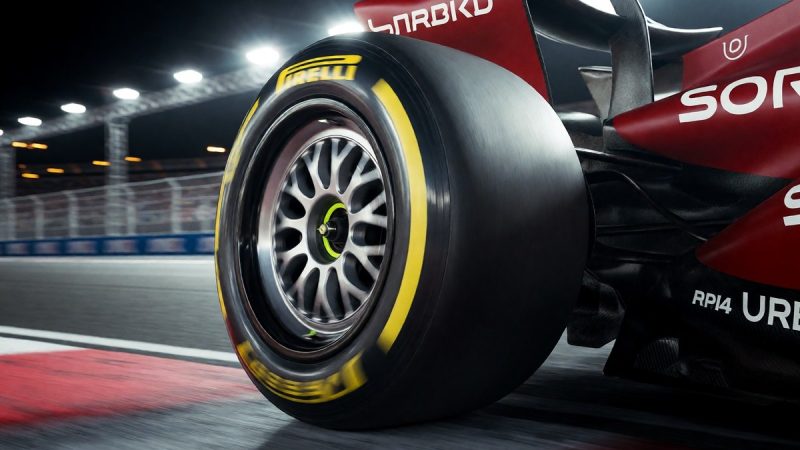
The 2026 regulations force a complete rethink of brake hardware. The massive increase in MGU-K energy recovery to 350kW changes how cars stop. Braking is now a hybrid of friction and regenerative braking. The driver’s pedal input creates a torque request that the car translates into these two different forces. Brembo, the main brake supplier, notes that this is one of the most challenging regulation changes in decades.
The rear brakes face specific demands because they must still work if regeneration fails. The FIA requires the rear axle to provide at least 2500 Nm of pressure at 150 bar of pedal pressure without power unit assistance. Because teams want to save weight, they may use smaller rear rotors. The rear rotors range from 260mm to 280mm in diameter. However, the discs must be large enough to survive if the energy strategy forces the driver to rely solely on friction.
The weight and aerodynamic battle
Teams fight a difficult battle to meet the 768kg minimum weight limit. This limit is 30kg lower than the previous generation. The reduction comes from a smaller wheelbase, narrower width, and lighter components. The wheelbase is 3400mm, which is 200mm shorter than before. The overall width is 1900mm, which is 100mm narrower. The front tyres are 25mm slimmer and the rear tyres are 30mm slimmer.
The decrease in weight and the 30% reduction in downforce make the cars more agile. They also make the cars harder to balance during heavy braking. Some teams attempt to save weight by using smaller rear brakes. Others choose larger front brakes to handle the increased aerodynamic load. The weight battle is a constant development race for design departments. Will the teams find a way to prevent clipping without sacrificing qualifying performance?
Managing the Baku braking workload
The workload at Baku is immense due to the 71 gear changes per lap. Drivers must manage battery deployment and prepare the car for heavy braking while navigating narrow walls. The Turn 12 high-speed sequence demands precision braking and smooth cornering. In the middle sector, the tight turns around the castle section require high downforce. This makes the balance between Straight Mode and Corner Mode vital for a good lap.
The braking strategy at Baku depends on how a team uses the power unit. A driver who uses too much energy for overtaking might arrive at Turn 1 with a depleted battery and cold brakes. This makes defending much harder. The combination of active aero, increased MGU-K deployment, and regenerative braking creates a complex technical puzzle. Success at the Baku City Circuit requires the driver to master these three variables simultaneously. Stick to managing the battery and braking load to control the race.