Lewis Hamilton calls for £50 million investment to support motorsport talent
Lewis Hamilton's Mission 44 foundation demands a £50 million investment from F1 and the FIA to support diverse talent. The Igniting Inclusion report suggests exempting workforce training from the $215 million cost cap to improve opportunities for underrepresented groups.

A call for collective funding
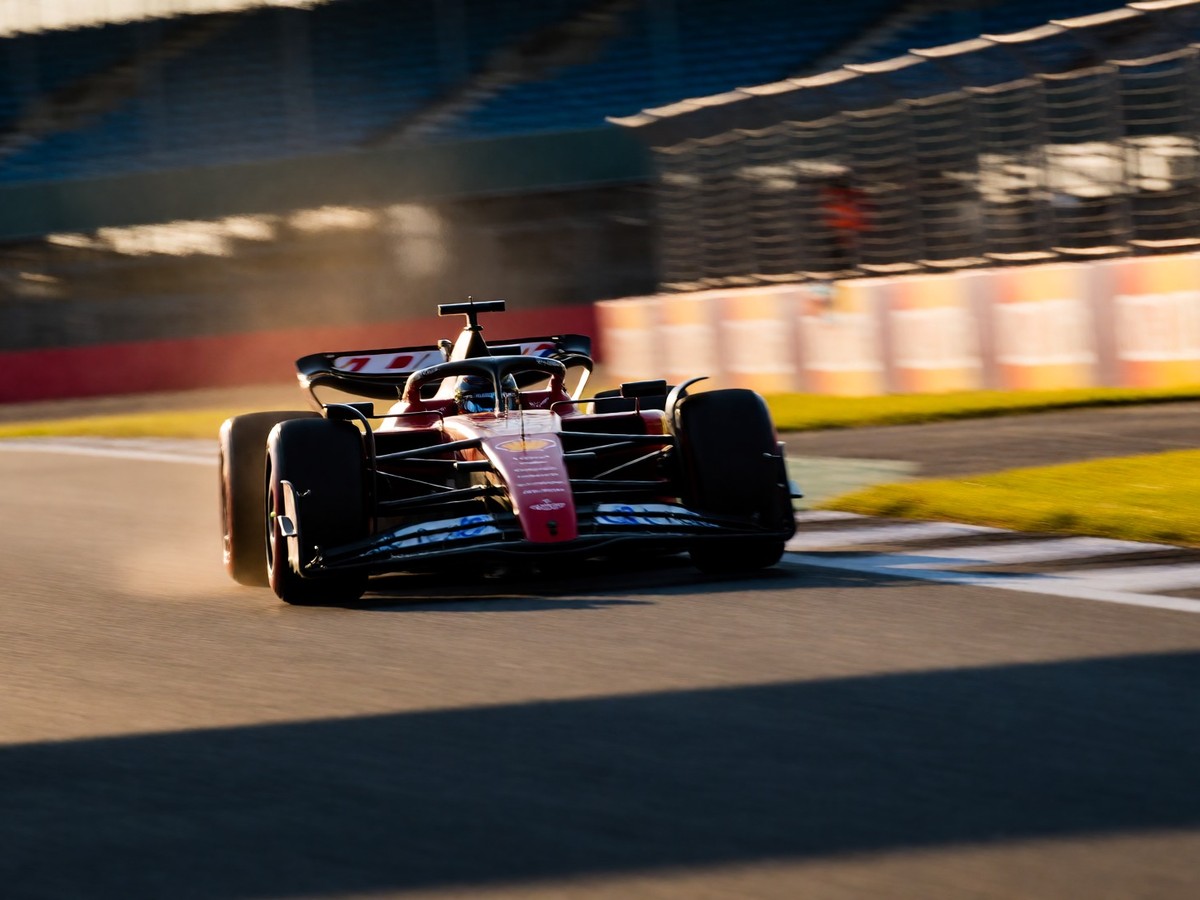
Lewis Hamilton, the Ferrari driver, demands a £50 million investment from Formula 1, the FIA, and teams to support the next generation of motorsport talent. The Mission 44 foundation, which Hamilton founded five years ago, published its "Igniting Inclusion" report. This report assesses progress since the 2021 Hamilton Commission and finds that significant barriers remain for Black people, women, and young people from lower-income backgrounds. The report details the need to create opportunities throughout the career pathway, from education and training to recruitment and progression within teams. Hamilton wants the FIA to create a specific category for talent investment that stays outside the current cost cap. This change would allow teams to fund apprentices and technical employees without hitting the $215 million spending limit set for 2026. The foundation wants the FIA to discuss this during the 2027 regulations cycle to allow the exemption to start in 2028. The investment can come through F1 teams, FIA initiatives, or commercial partners, provided it is additional to 2026 levels of spend and covers the whole pathway from aspiration to progression. Hamilton says, "F1, the FIA and every team must push harder and move faster. We need real investment, more opportunities and greater accountability."
Career pathways and cost cap changes
Mission 44 wants every F1 team to commit to a specific number of paid early-career positions each year. The foundation aims to create thousands of paid routes into motorsport by 2030. To ensure accountability, the FIA and all 11 teams would provide annual workforce data that covers gender, ethnicity, and socio-economic background. Hamilton says, "The talent is out there, and the future of our sport depends on unlocking it." He notes that "investment in people competes directly with investment in the car" because the current cap includes apprentice salaries and training. Hamilton argues that teams should not face financial restrictions when they invest in the next generation of engineers and technical employees, particularly because the $215 million limit currently includes training and staff development costs for the workforce.
| Category | Specification |
|---|---|
| Proposed investment | £50 million over five years |
| Current cost cap (2026) | $215 million |
| Target year for paid routes | 2030 |
| Proposed regulation change | 2027 cycle for 2028 season |
The report provides three specific recommendations to the sport’s leadership. First, the sport must measure who joins, who is promoted, and who stays. Second, the sport must take investment in people out of the cost cap. To meet the third goal, teams must publish the paid places they offer every year.
Fan sentiment and industry response
Polling of 3,000 fans in the UK, US, and Brazil shows that 55 per cent believe F1 talks about inclusion more than it delivers. Another 64 per cent believe the sport’s leadership should do more. While 80 per cent of respondents think greater representation helps attract fans and sponsorship revenue, Hamilton insists "there is much still to do." He says, "When I walk through the paddock now, I see more women, more Black and Brown faces, more people who look like the fans in the grandstands than at any point since I started."
F1 signed an inclusivity charter in 2024 following the original Hamilton Commission. An F1 spokesperson stated that in the 2025 season, more than 500,000 young people engaged in education and STEM programmes, while over 1,000 structured talent development opportunities existed across the sport. This follows a 2025 sport-wide data gathering exercise to capture the global reach of social impact programmes. Hamilton says, "This is a sport that measures performance to the thousandth of a second. We can measure this too." The report also asks the sport to measure how many people actually walk through the door and how many stay.